





A Legacy Rooted in Antiquity
The story of the mango in India is over 4,000 years old. Its earliest mentions appear in ancient Hindu scriptures like the Vedas and Puranas, where it's referred to by its Sanskrit name, 'Amra', and celebrated as a symbol of life and happiness. In Buddhist
lore, it is said that Buddha himself meditated under the cool shade of a mango grove. This deep historical and spiritual significance set the stage for the fruit's elevated status. It wasn’t just food; it was sacred. Over centuries, its reputation only grew. Mauryan rulers reportedly planted mango trees along roadsides as a sign of prosperity. Later, Mughal emperors became passionate patrons, with Akbar the Great famously planting an orchard of 100,000 mango trees, known as Lakhi Bagh, in Bihar. The Mughals were instrumental in developing new varieties through grafting, a technique that gave rise to some of the most beloved mangoes we enjoy today.
An Icon of Indian Culture
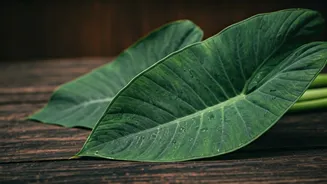
The mango's influence extends far beyond horticulture and into the very fabric of Indian culture. It is a potent symbol of love, fertility, and good fortune. Auspicious mango leaves are strung across doorways during weddings and festivals, a practice believed to welcome prosperity and ward off negative energy. The fruit is also a muse for artists and poets. The iconic paisley pattern, a staple in Indian textiles and design, is widely believed to be inspired by the elegant curve of a mango. The Indo-Persian poet Amir Khusrow famously declared it the “fairest fruit of India.” This reverence is seen even in mythology, where Lord Ganesha is often depicted holding a ripe mango, a symbol of divine attainment and perfection.
A Flavour for Every Palate
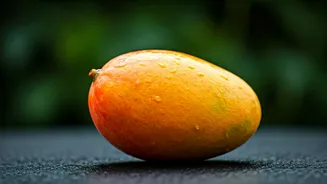
To speak of the 'Indian mango' is to speak of hundreds of different experiences. The country is home to over a thousand varieties, each with its own unique flavour profile, texture, and aroma. This incredible diversity is a result of India’s varied agro-climatic zones. In Maharashtra, the world reveres the Alphonso (or Hapus) for its creamy, non-fibrous flesh and saffron-hued skin. Head north to Uttar Pradesh, and you’ll find the sweet, slender Dasheri, a favourite for its intoxicating fragrance. Gujarat offers the Kesar, whose pulp is so vibrant it's often compared to saffron threads, making it perfect for aamras. Meanwhile, the Langra from Varanasi provides a delightful sweet-tart kick, and Bengal's Himsagar is known for its fibreless, buttery texture. From the Banganapalli of Andhra Pradesh to the Malgova of the south, the sheer variety ensures that the annual debate over which mango is best remains a beloved summer pastime.
The Modern Mango Reinvented
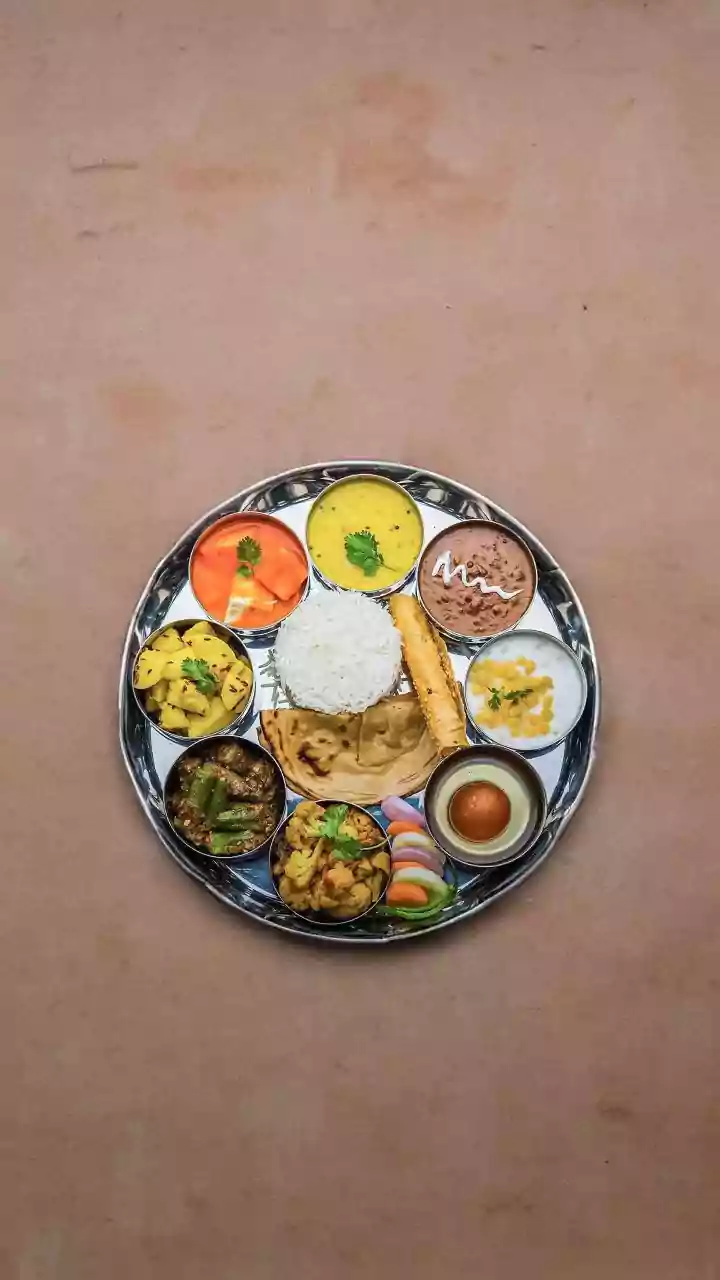
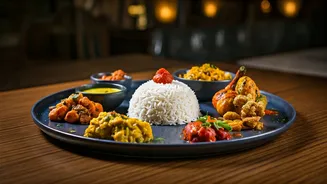
While its historical and cultural roots are deep, the mango is not a fruit stuck in the past. Its timeless appeal lies in its incredible versatility, which chefs and home cooks continue to explore. Traditionally, it has been the star of both raw and ripe dishes, from tangy aam panna and spicy pickles made with unripe 'kairi' to sweet shrikhand and decadent kulfi. Regional specialities like Kerala’s Mambazha Pulisseri, a yogurt-based curry, showcase its use in savoury preparations. Today, this culinary innovation is reaching new heights. Contemporary chefs are incorporating mango into everything from savoury risottos and fresh salads to gourmet tacos and maki rolls with mango salsa. The beverage world has also taken note, with mango finding its way into craft cocktails, artisanal coffees, and sophisticated dessert creations, proving its ability to adapt to modern tastes without losing its essential character.