






Running on Air: The Pursuit of Rhythm
When you run, you have unlimited access to oxygen. The primary challenge isn't finding air, but using it efficiently to fuel your muscles. The gold standard for runners is diaphragmatic or 'belly' breathing. This technique involves deep breaths that engage
the diaphragm, allowing your lungs to fill completely and maximizing oxygen intake. Shallow chest breathing, in contrast, is less efficient and can lead to tension in the shoulders and neck. The secondary goal is to establish a rhythm that syncs your breath with your stride. Many runners adopt patterns like a 3:2 ratio (inhaling for three steps, exhaling for two) to ensure the impact of their foot strike doesn't consistently land on the same side during an exhale, when the core is naturally less stable. This rhythmic approach helps reduce the risk of side stitches and promotes a steady, relaxed state. Ultimately, breathing for a run is about finding a relaxed, sustainable cadence that meets your body's demands without adding unnecessary stress.
Swimming in Water: A Discipline of Timing
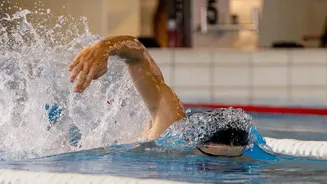
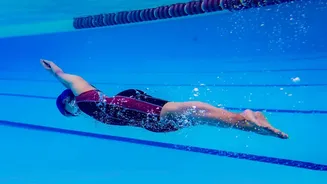
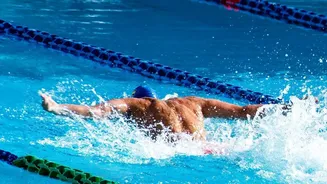
In swimming, the rules of breathing are inverted. Your access to air is limited and strictly timed, making breath control a foundational skill. Unlike running, you can't just breathe whenever you feel the need. The core principle is to exhale consistently and completely while your face is underwater. Holding your breath is a common mistake that leads to a buildup of carbon dioxide, which creates a feeling of panic and an urgent, gasping inhale. A smooth, continuous exhale prepares your lungs to take in a quick, efficient breath the moment your mouth clears the water. This breath must be timed perfectly with the roll of your body and stroke, without lifting your head, which would disrupt your streamlined position and cause your hips to drop. Many coaches advocate for bilateral breathing—alternating breathing sides, typically every three strokes—to promote a balanced, symmetrical stroke and prevent muscle imbalances. In essence, swimming demands disciplined, forceful breathing that is intricately woven into your biomechanics.
The Core of the Contrast
The fundamental difference lies in the environment. Runners operate with a constant supply of air, so their focus is on relaxed, deep, rhythmic breathing to maximize efficiency. Swimmers face a limited window to breathe, forcing them to prioritize disciplined, explosive gas exchange. Studies show that the respiratory muscles of swimmers are often stronger, as they have to work against the pressure of the water. This leads to swimmers generally having a higher forced vital capacity—the total amount of air they can exhale after a full inhalation. For a runner, a poor breathing pattern might lead to a side stitch or premature fatigue. For a swimmer, a poorly timed breath can ruin their body position, leading to drag, sinking, and wasted energy. The coordination is also entirely different: runners sync breath to footfalls, while swimmers sync breath to arm strokes and body rotation.
From Theory to Practice
For those who do both sports, like triathletes, transitioning between these two breathing styles can be a challenge. The relaxed, steady breathing of a run feels chaotic in the water, while the forceful, intermittent breathing of a swim would be inefficient on land. The key is to practice each technique within its own context. For running, practice belly breathing at home by lying down and placing a hand on your stomach to feel it rise and fall. Then, apply it during easy runs, focusing on a simple step-to-breath ratio. For swimming, start by practicing bobs in the shallow end, focusing only on exhaling fully underwater before surfacing to inhale. Drills that focus on body rotation, like the sidekick drill, can help you learn to turn for a breath without lifting your head. Conscious practice is what turns these disparate techniques into second nature.