


More Than Just a Pretty View
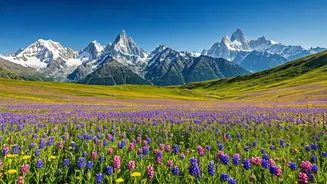
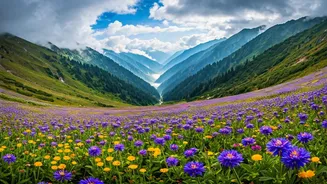
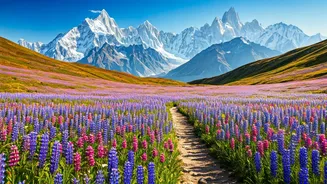
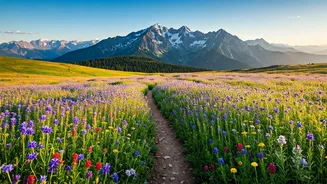
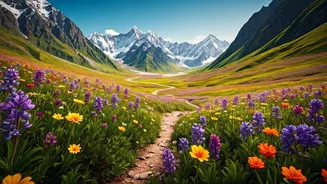
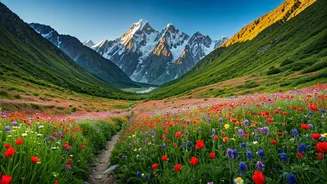
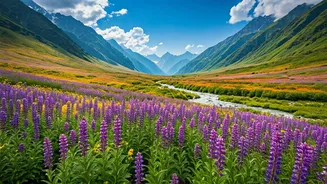
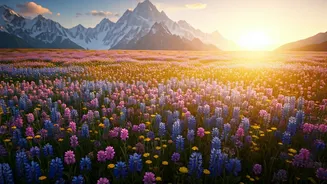
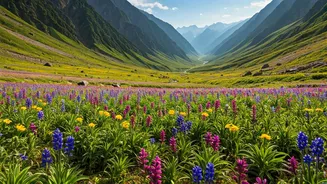
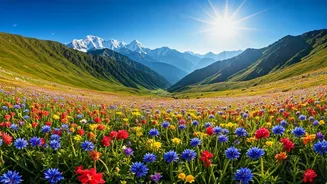
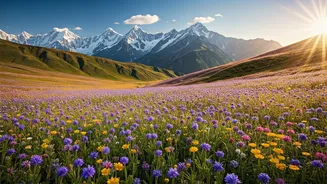
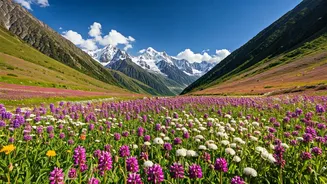
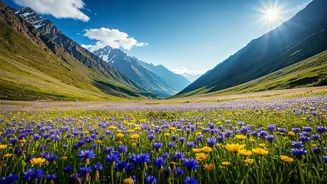
Declared a UNESCO World Heritage Site, the Valley of Flowers is a place of staggering biodiversity. It’s not just a field of flowers but a vibrant, high-altitude ecosystem stretching over 87 square kilometres. For centuries, this valley was a secret known
only to locals, believed to be the mythical ‘Nandan Kanan’—the celestial garden of Lord Indra. Today, it’s a protected national park where over 600 species of exotic flowers, including the elusive blue poppy, brahmakamal, and cobra lily, burst into colour during the monsoon season. The park is also home to rare wildlife like the Asiatic black bear, snow leopard, and blue sheep, though sightings are rare. The raw, untouched beauty is the main draw, offering a trek that feels like stepping into a paradise painted by nature itself.
Planning Your Journey: The Route
The trek to the Valley of Flowers is an adventure in itself, requiring planning and a moderate level of fitness. Your journey will typically begin from Joshimath, the nearest major town with ample accommodation. From there, you travel by road to Pulna village, which is about 4 km from the old base camp of Govindghat. This is where the real trek begins. The first leg is a 10-kilometre trek from Pulna to Ghangaria, a bustling base village situated at an altitude of about 10,000 feet. This trail runs alongside the gushing Pushpawati River and is a scenic, albeit challenging, ascent. You can hire a pony or a porter in Pulna if you need assistance with your luggage. Ghangaria serves as the overnight base for visiting both the Valley of Flowers and the sacred Sikh shrine of Hemkund Sahib, which lies on an adjacent trail.
The Final Ascent into Paradise
After an overnight stay in Ghangaria to acclimatise, you’ll embark on the final, most anticipated part of the journey. The entrance to the Valley of Flowers is about a kilometre from the village, where you’ll need to buy an entry permit from the forest department checkpoint. The gates open at 7 AM and close at 5 PM, with the last entry permitted at 2 PM. It’s crucial to start early to maximise your time inside. The trek into the valley is a relatively gentle 3-4 kilometre walk. As you ascend, the landscape transforms dramatically. The dense forest gives way to a vast expanse of meadows blanketed in a riot of colours. There are no places to stay inside the valley, so all trekkers must return to Ghangaria by evening.
Best Time To Witness the Blooms
While the park is open from June to October, the best time to visit depends on what you want to see. The peak blooming season is from mid-July to mid-August. During this period, the valley is at its most vibrant, with a dense carpet of flowers of every imaginable hue. This is also peak monsoon, so be prepared for frequent rain showers and slippery trails. If you prefer clearer weather and fewer crowds, consider visiting in June or September. In June, you'll witness the early blooms and melting glaciers, offering a starkly beautiful landscape. In September, the rains have subsided, the air is crisp, and while the floral density is lower, you’ll find different species in bloom, particularly the rare brahmakamal, against a backdrop of autumnal colours.
Essential Tips for a Safe Trek
Preparation is key for this high-altitude trek. First, ensure you have sturdy, waterproof trekking shoes with good grip. Pack layers of clothing, as the weather can change in an instant. A waterproof jacket and pants are non-negotiable. Carry a small daypack with water, snacks, a basic first-aid kit, and sun protection. Acclimatisation is critical; spending a night in Joshimath and another in Ghangaria before entering the valley helps your body adjust to the altitude. Mobile network connectivity is patchy to non-existent beyond Govindghat, so inform your family of your itinerary beforehand. Finally, remember that this is a fragile ecosystem. Do not pluck flowers or leave any litter behind. Stick to the designated trails and respect the pristine environment.