


Satara: Maharashtra's Valley of Flowers
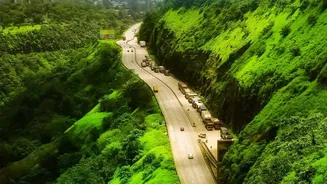
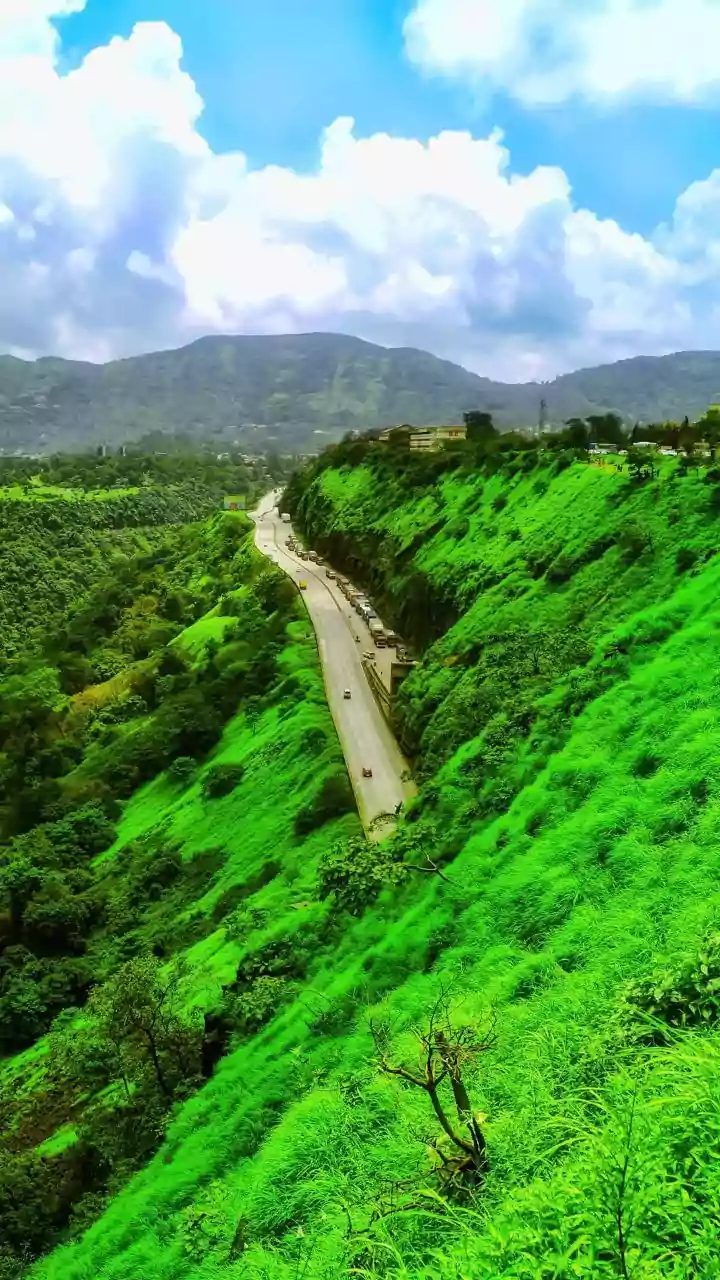
The drive to Satara, easily accessible from Mumbai and Pune, is a journey into the heart of the Sahyadri mountains. Post-monsoon, usually from late August to early October, the region is at its most dramatic. The highlight is the drive to the Kaas Plateau,
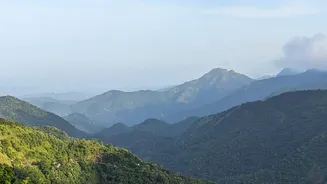
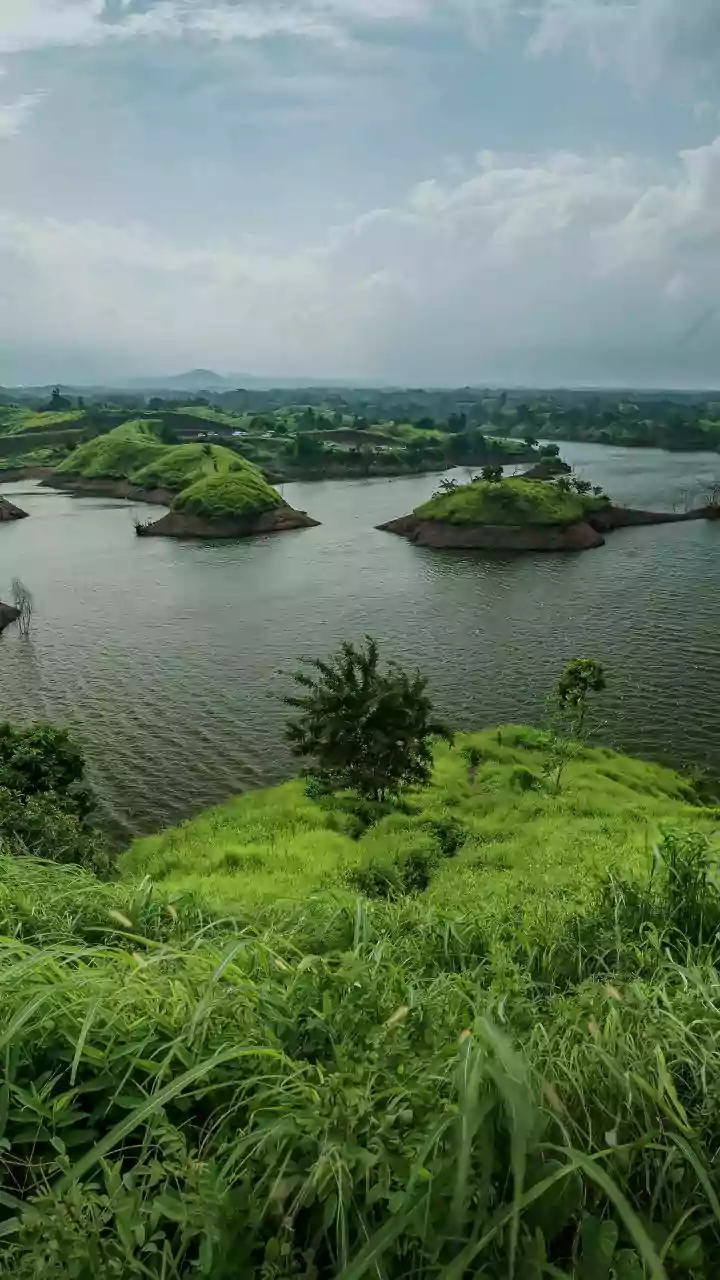
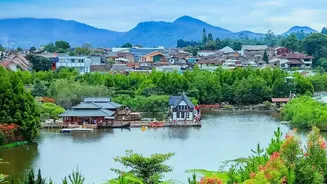
a UNESCO World Heritage site famous for its seasonal carpet of wildflowers. The route itself is a spectacle, with winding roads offering expansive views of lush valleys and shimmering lakes like the one near Bamnoli village. The landscape is a unique combination of flat-topped mountains and deep valleys, a signature of this part of the Western Ghats. The air is cool and crisp, and every turn on the road seems to reveal a new, breathtaking vista, making the drive as rewarding as the destination itself.
Key Stops on Your Satara Drive
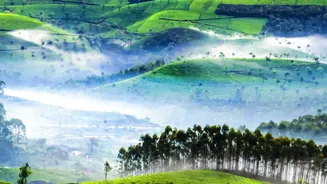
Your primary destination is the Kaas Plateau, which explodes into a riot of colour with over 850 species of flowering plants after the rains. The peak blooming season is typically in September. Beyond the plateau, the drive to Thoseghar Waterfalls is a must. These powerful, multi-tiered falls are at their most magnificent during and immediately after the monsoon, cascading from heights of up to 200 metres. For a different kind of scenic view, head to the Chalkewadi Windmill Farm, where hundreds of giant windmills stand against the misty, green hills. A drive around Urmodi Dam or along the banks of the Koyna backwaters near Bamnoli also offers serene landscapes and photo opportunities away from the main tourist trail.
Coorg: Through Coffee Plantations and Mist
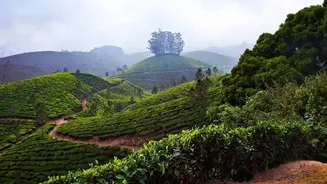
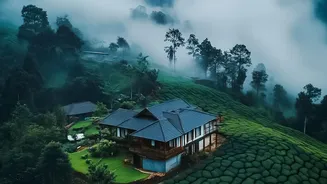
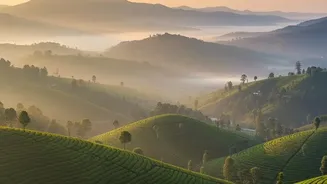
Further south, in Karnataka, the drive into Coorg (Kodagu) is an entirely different experience. Best approached from Bangalore, Mysore, or Mangalore, the journey is defined by the aroma of wet earth and coffee blossoms. The post-monsoon months of October to March offer clear skies and pleasant weather, though the lushness from the rains in September is equally appealing. The roads here wind through endless stretches of coffee and spice plantations, creating a dense green canopy. Unlike Satara's open plateaus, Coorg's beauty is more intimate, with misty hills and valleys that reveal themselves suddenly through the foliage. The drive, especially on routes like Madikeri to Siddapur, is an immersive experience in the sights and smells of this rich agricultural landscape.
Highlights of the Kodagu Circuit
In Coorg, your drive should connect several key attractions. Abbey Falls is spectacular after the monsoon, where water roars into a pool surrounded by private coffee and spice estates. Raja's Seat in Madikeri provides a stunning panoramic viewpoint, especially at sunset, offering views across the mist-filled valleys. For a more adventurous detour, the jeep ride to Mandalpatti viewpoint rewards you with unspoiled, 360-degree views of the Western Ghats. A visit to the Namdroling Monastery in Bylakuppe, also known as the Golden Temple, adds a vibrant cultural dimension to your trip. Driving through the region allows you to stop at numerous plantations for a tour and a taste of the famous local coffee.
Satara vs. Coorg: Which Drive Is for You?
Choosing between Satara and Coorg depends on the experience you seek. Satara offers dramatic, wide-open vistas, high plateaus covered in unique wildflowers, and powerful waterfalls. It's a landscape of grand scale and seasonal spectacle, perfect for photographers and those who love epic, windswept scenery. The drives are about ascending to these plateaus and witnessing a rare botanical phenomenon. Coorg, on the other hand, offers a more intimate and aromatic journey. The drives are about being enveloped by the lushness of coffee and spice plantations, with misty, rolling hills and a sense of discovery around every bend. It’s ideal for those seeking a tranquil escape into a world of green, punctuated by the culture of coffee and the serenity of its estates.