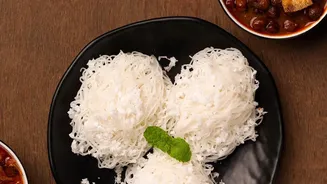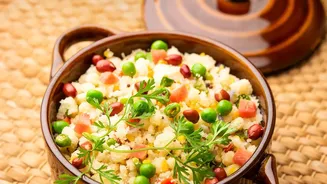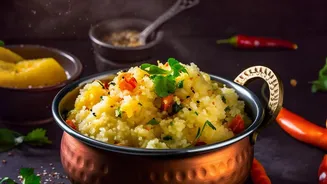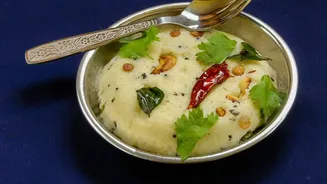




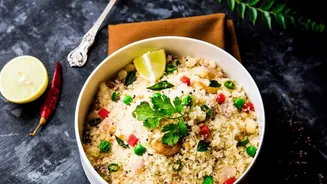


Along India's lush western coastline lies a culinary tradition that masterfully transforms humble vegetables into extraordinary meals. Konkani vegetarian cuisine is a masterclass in using two star ingredients: fresh coconut and local spices.
A Cuisine Shaped by the Coast
Konkani cuisine
is a direct reflection of its environment: the verdant, tropical Konkan belt stretching across parts of Maharashtra, Goa, and Karnataka. This region is blessed with an abundance of rain, fertile soil, and, most importantly, coconut palms. As a result, the food is deeply connected to the land, relying on seasonal vegetables and what can be grown locally. Many traditional households cook with produce from their own backyards, from snake gourd and yam to raw jackfruit and Mangalore cucumber. This philosophy of using fresh, locally available ingredients is the foundation of the cuisine's simple yet profound character, where the goal is not to mask the vegetables but to enhance their natural flavours.
The All-Important Coconut
In Konkani cooking, coconut is not just an ingredient; it is the cornerstone. Affectionately called 'KalpaVriksha' (the Universal Provider), the coconut tree provides the defining element for countless dishes. Its genius lies in its versatility. Freshly grated coconut is stirred into dry vegetable preparations ('upkaris') for texture and sweetness. It's ground into a fine paste with roasted spices to form the base of rich gravies known as 'ghashi' or 'ambat'. Coconut milk, both thick and thin, creates creamy, delicate curries like 'valval', a mixed vegetable stew. Even coconut oil is often used for tempering ('phodnni'), lending its unique, nutty aroma to the final dish. This multifaceted use allows coconut to provide body, balance, and a subtle sweetness that defines the cuisine.
The Secrets of the Spice Box
While coconut provides the soul, a unique array of spices provides the cuisine's distinctive voice. Beyond standard Indian spices, Konkani vegetarian food, particularly from the Gaud Saraswat Brahmin (GSB) community, features some special players. One of the most notable is 'teppal' or 'tirphal', a variety of Sichuan pepper that imparts a citrusy aroma and a signature tingling numbness on the tongue. This spice is often used to cut through the richness of coconut-based curries. The souring agents are also key; instead of just tamarind, Konkani cooks frequently use 'kokum', a dried fruit that gives dishes like the famous 'Sol Kadhi' its tangy flavour and beautiful pink hue. Combined with Byadgi red chillies for colour and mild heat, coriander seeds, mustard, and asafoetida, these spices create a complex yet balanced flavour profile.
A Symphony of Flavour in Every Bite
The result of this thoughtful combination of ingredients is a cuisine that celebrates a full spectrum of flavours. Dishes are rarely one-note. A typical Konkani curry strikes a perfect balance between the sweetness of coconut and jaggery, the sourness of kokum or tamarind, the mild heat of chillies, and the unique pungent notes of spices like teppal. Consider 'Gajbaje', a mixed vegetable curry often made during festivals. It features an assortment of seasonal vegetables simmered in a smooth coconut and red chilli paste, creating a comforting and wholesome dish that is both simple and deeply satisfying. Another example is 'Patholi', a sweet dumpling where a rice flour paste is filled with coconut and jaggery, then steamed in turmeric leaves, infusing it with an incredible aroma. These heritage recipes demonstrate a sophisticated understanding of how to layer flavours and textures to elevate everyday ingredients into something truly special.