




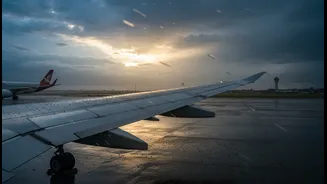


Weather’s Unseen Influence
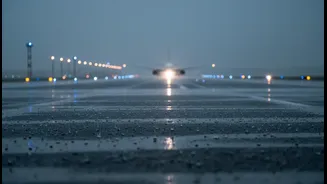
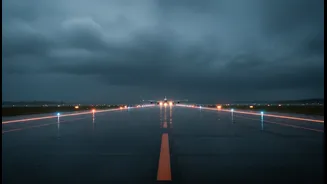
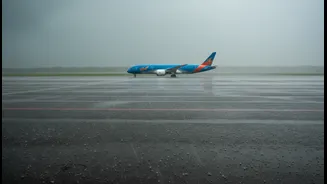
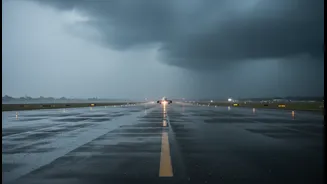
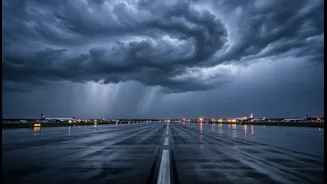
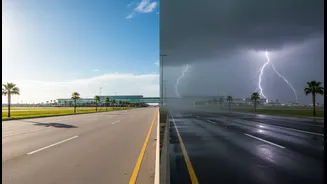
Weather is the most significant factor in aviation, causing the vast majority of all flight delays. But its impact goes far beyond a thunderstorm at your departure or arrival airport. Flight planners and dispatchers analyse a huge amount of data, including
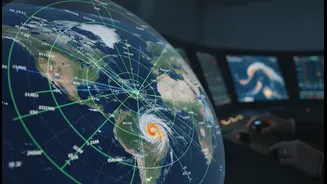
wind speeds, storm forecasts, and visibility reports, to chart the safest and most efficient path. A storm system hundreds of kilometres away can force extensive reroutes, causing a domino effect across the airspace as many planes are funnelled into a smaller area. Even clear skies can hide challenges like the jet stream, a high-altitude river of wind. Flying with a strong tailwind in the jet stream can shorten flight times and save fuel, which is why routes from west to east are often faster. Conversely, fighting against it burns more fuel and extends the journey, forcing planners to find a more optimal route. High heat can also be a problem, as thinner air reduces engine performance and requires longer runways for a safe takeoff.
The Intricate Race Against Time
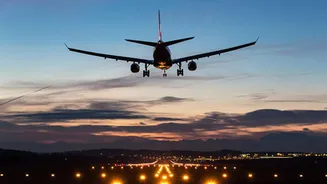
A single flight is just one piece of a massive, interconnected puzzle that operates on a razor-thin schedule. The 'time' in flight planning involves much more than just the departure and arrival. Airlines have to manage crew schedules, which are governed by strict regulations that limit how many hours a pilot can fly in a day, week, or month to ensure they are well-rested. A delay on one flight can mean a crew “times out,” requiring a replacement crew and causing further knock-on effects. Aircraft also need to be in the right place at the right time for their next scheduled route. A plane arriving late to Delhi from Mumbai might be the same aircraft slated to fly to Dubai a short while later. This intricate dance means that a delay at one airport can ripple through the network, affecting flights and passengers in cities with perfectly clear weather. This entire process is a joint responsibility between the flight dispatcher on the ground and the pilot, who must both agree that the flight can be conducted safely before it ever pushes back from the gate.
The Hidden Logic of Air Traffic Delays
When your plane sits on the tarmac on a clear day, it’s often due to a strategic decision made by Air Traffic Control (ATC). ATC's primary job is to maintain safe separation between all aircraft, both in the air and on the ground. When an airport's capacity is reduced—due to weather, runway maintenance, or sheer volume—ATC may implement a Ground Delay Program (GDP). This initiative holds planes at their departure airport rather than having them circle in the air at their destination, which saves fuel, reduces congestion, and is ultimately safer. Essentially, your delay on the ground in one city is preventing a traffic jam in the sky over another. Controllers are managing the entire system, looking at the big picture to anticipate bottlenecks and proactively manage the flow of traffic across the country. So, while it feels counterintuitive to be stopped under a sunny sky, that pause is often a crucial part of keeping the entire national airspace system running in an orderly and safe manner.
What an Informed Passenger Can Do
Understanding the immense complexity behind air travel can help transform frustration into patience. While you can't control the weather or air traffic, you can be better prepared. Use your airline's mobile app for the most current updates; the gate agents often receive the same information at the same time you do. Remember that the flight crew's primary focus is safety, and they often have limited details about the full extent of system-wide delays. Sometimes, a delay isn't just an inconvenience; it's a sign that the intricate safety system is working exactly as it should, prioritising passenger wellbeing above all else. The next time a delay is announced, take a moment to consider the thousands of moving parts—from meteorologists to dispatchers to controllers—all working to ensure your journey ends safely.