








What Is This AI Nutrition Bot?
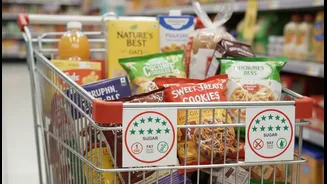
The Hyderabad-based National Institute of Nutrition (NIN) is developing an AI-powered search tool and web platform. The main goal is to help Indians make healthier and more informed food choices, particularly with the rising consumption of packaged foods.
Think of it as a one-stop source for nutrition information. Instead of guessing what's in a packaged snack or meal, you could use the platform to search for a product or brand and get a detailed breakdown of its nutritional profile. This initiative comes as India faces a growing burden of non-communicable diseases (NCDs) like diabetes and hypertension, which are often linked to diet.
How It's Expected to Work
To build this tool, NIN has partnered with a Hyderabad-based company that created an app called TruthIn. This app already has a database of over 75,000 food products. The planned NIN platform will leverage this kind of data to analyse ingredients, nutritional content, and even the level of processing in packaged foods. For consumers, it aims to simplify confusing food labels. Ingredients often listed with technical terms or numbers could be explained in simple language, potentially through a barcode scan or a simple product search. The bot will flag key nutritional aspects to help people better understand what they are about to eat.
The Promise: Accessible Expertise for All
The biggest potential benefit of this AI bot is its accessibility. It offers a way to scale up nutritional guidance for millions, providing instant, data-driven information. For researchers and policymakers, the platform could be a goldmine. It would help analyse nutritional trends, support studies on Indian dietary patterns, and generate evidence for future policies, like front-of-pack nutrition labelling. By creating a massive, validated database of foods sold in India, NIN can track changes in food quality over time and help the entire food industry move toward healthier products.
Understanding the Risks and Concerns
While promising, relying on AI for health advice comes with significant risks. A primary concern is the accuracy and context of the advice. Studies on other AI diet tools have shown they can sometimes recommend overly restrictive meal plans or miscalculate nutrient needs, which could be harmful, especially for adolescents. There is also the issue of accountability; if an AI gives flawed advice, who is responsible? Another major hurdle is the digital divide. An AI bot, no matter how good, is only useful to those with access to smartphones and the internet, potentially leaving behind rural or less digitally literate populations. Finally, AI algorithms can perpetuate existing biases if the data they are trained on is not diverse and representative of India's vast and varied population.
The Next Steps and the Human Factor
The NIN's AI bot is still in the planning stages. The collaboration with platforms like TruthIn is a crucial first step in building the necessary database. As the project moves forward, ensuring the information is based on official Indian guidelines and regulatory requirements will be key to building public trust. However, experts caution that such tools should be designed to supplement, not replace, human experts. AI lacks the ability to understand a person's complete health history, lifestyle nuances, or emotional state—all of which are critical in providing truly personalised and effective nutrition counselling. The most effective path forward will likely involve using this AI bot as a powerful first-line resource, while still emphasising the importance of consulting with doctors and dietitians for complex health needs.