
Dazzling Venus at Its Brightest
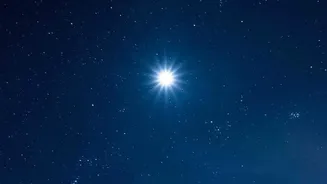
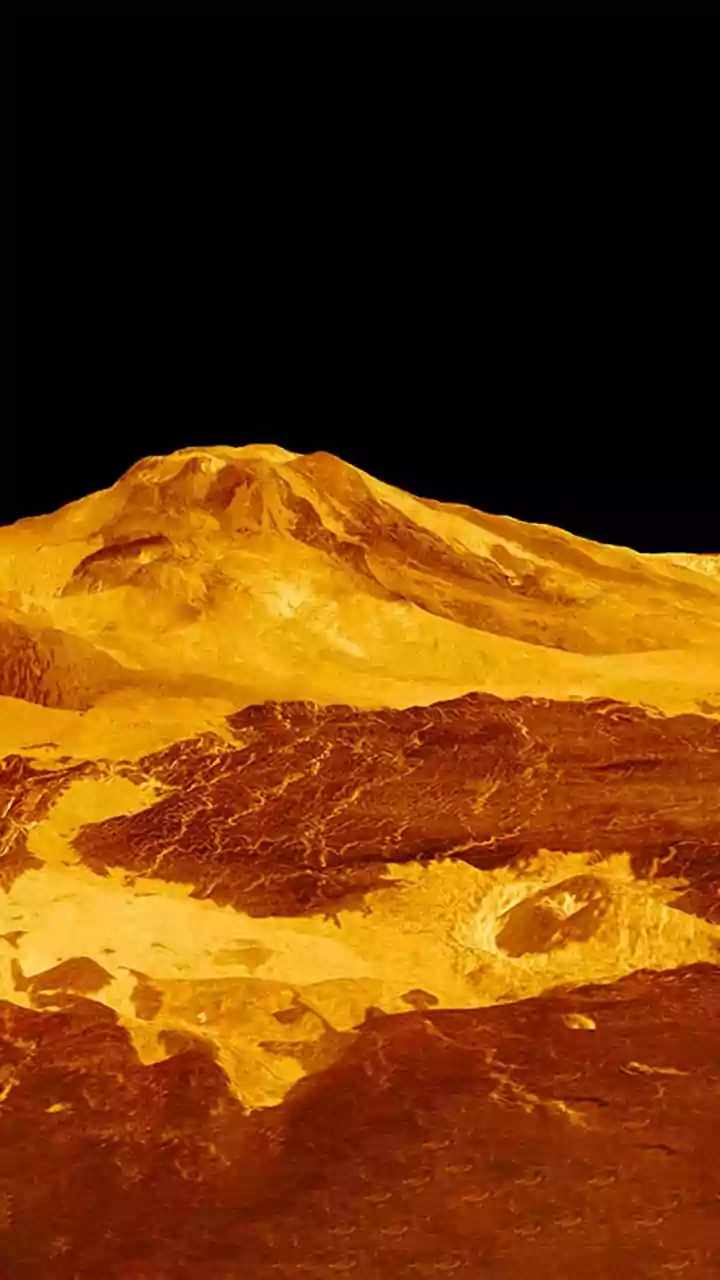
Throughout September, Venus will dominate the early evening sky, appearing as a brilliant beacon in the west shortly after sunset. On September 18, the planet reaches its greatest brilliancy, shining at a stunning magnitude of -4.8. This is the brightest
Venus will appear all year. What's surprising is that through a telescope, it will look like a slender crescent. Its peak brightness is a combination of it getting closer to Earth in its orbit, which makes it appear larger, even as the sunlit portion we see shrinks. Look for it in the south-western sky; its sheer brightness makes it unmissable, even from light-polluted cities.
A Celestial Parade with the Moon
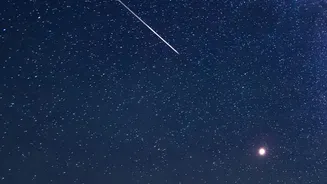
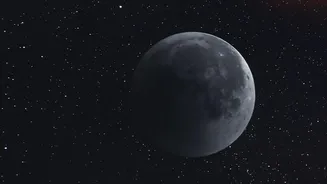
The Moon will act as a beautiful guide to several planets this month. On September 6 and 7, early risers can spot a waning crescent moon next to a faint Mars in the eastern sky before dawn. Then, on the morning of September 8, the crescent Moon will be near bright Jupiter in the constellation Cancer. The Moon will also have a close encounter with dazzling Venus on September 14. These alignments provide a wonderful opportunity for naked-eye viewing and to appreciate the constant motion of our solar system neighbors.
The September Equinox and Changing Seasons
On September 23, the September Equinox occurs, marking an important moment in Earth's yearly orbit. At 00:06 UTC, the Sun will shine directly over the equator, and the length of day and night will be nearly equal across the globe. This event signals the beginning of autumn in the Northern Hemisphere and spring in the Southern Hemisphere. While you can't see the equinox itself, it's a significant astronomical marker. For stargazers in the Northern Hemisphere, it means the nights are officially growing longer than the days, offering more time to explore the cosmos.
The Full Harvest Moon
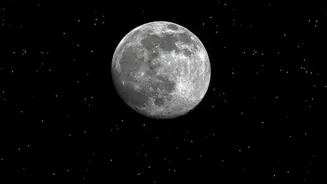
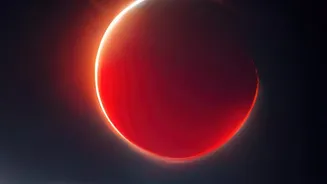
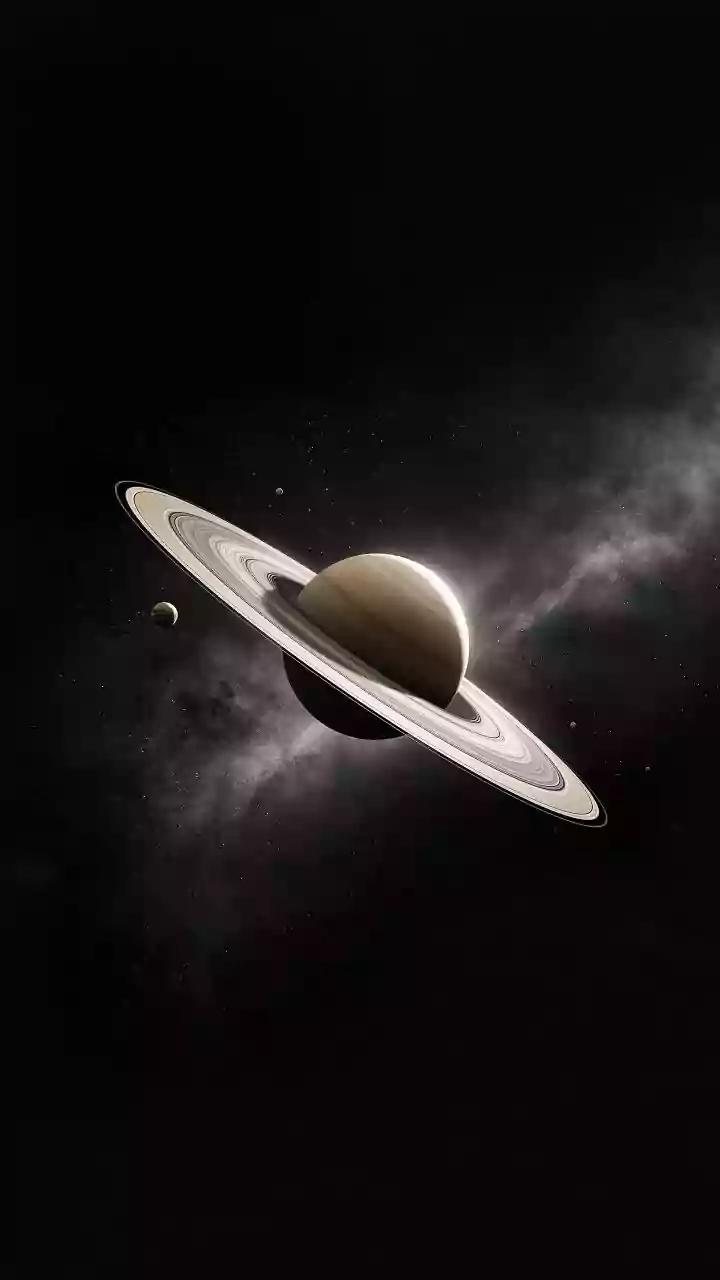
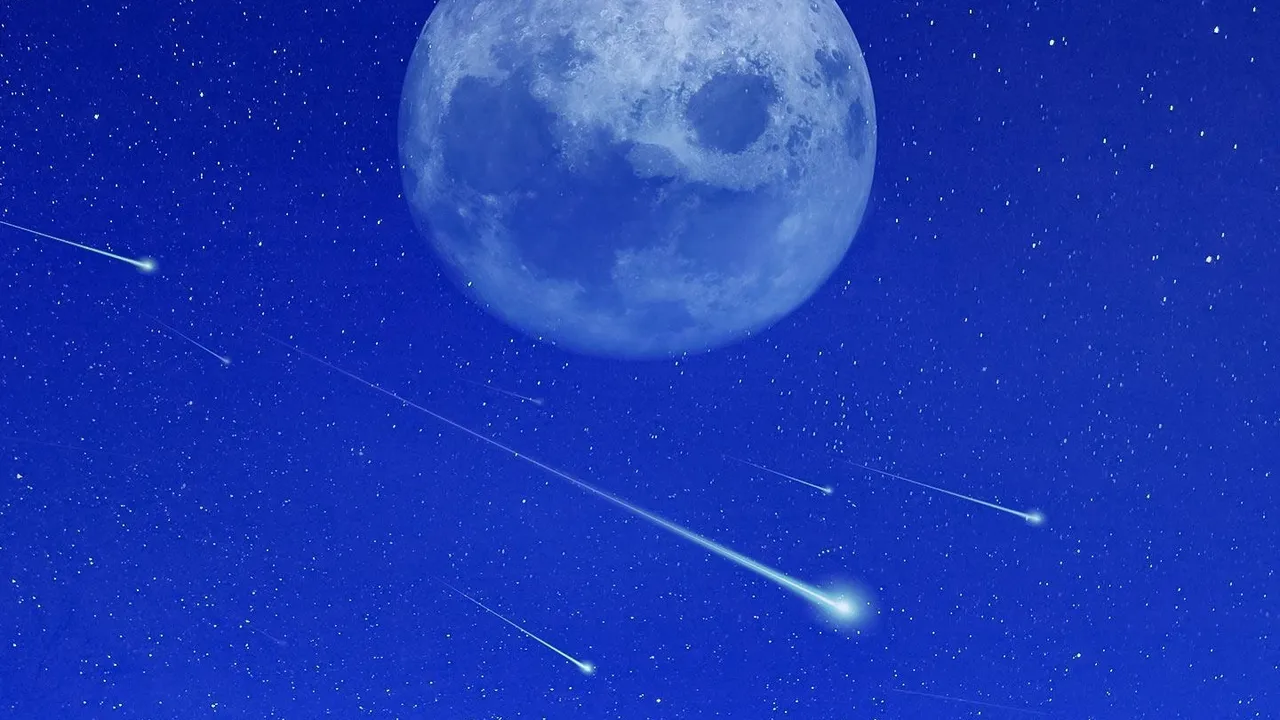
The main lunar event this month is the famous Harvest Moon, which reaches its peak illumination on September 26. This is the name given to the full moon that falls closest to the autumnal equinox. It will rise in the east around sunset, appearing as a beautiful golden orb. The Harvest Moon is unique because, for several evenings in a row, it rises at nearly the same time shortly after sunset, a phenomenon that historically provided farmers with extra light to bring in their crops. Look for the bright, star-like object of Saturn shining nearby in the constellation Pisces.
Spotting Neptune at Opposition
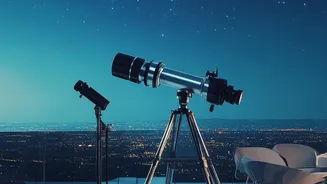
On the same night as the full moon, September 26, the distant ice giant Neptune reaches opposition. This is when Earth passes directly between the Sun and Neptune, making the planet appear at its brightest and closest for the year. Because of its extreme distance, Neptune is never visible to the naked eye. However, at a magnitude of 7.8, it will be within reach of a good pair of binoculars or a small telescope, appearing as a tiny blue-green dot. You can find it in the constellation Pisces, not far from the much brighter Saturn.