



What 'Cold-Pressed' Really Means
Before modern refining processes became widespread, oils were extracted using a simple, powerful method: pressing seeds or nuts under immense pressure without using high heat. This is the essence of 'cold-pressed' or 'kacchi ghani' oil. Because this mechanical
process avoids high temperatures and chemical solvents like hexane, the resulting oil is fundamentally different from its refined counterpart. Cold-pressed oils retain their natural colour, a distinct aroma, and, most importantly, a fuller profile of nutrients, antioxidants, and vitamins that are often stripped away during industrial refining. This minimal processing means the oil is a true expression of its source, carrying its inherent flavour into the dish. While refined oils offer a higher smoke point and a neutral taste, cold-pressed oils are chosen for flavour and nutrition, making them indispensable for dishes where the oil is a key ingredient, not just a cooking medium.
Groundnut Oil: The Nutty All-Rounder
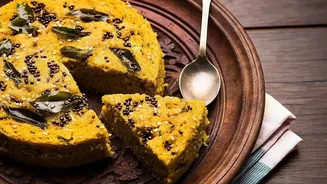
Cold-pressed groundnut oil, with its mild, nutty fragrance, is a cornerstone of cooking in Western and Southern India. In Gujarat, it forms the base of the 'vaghar' (tempering) for dals and kadhi, its warmth balancing the sweet and sour notes of the cuisine. Similarly, in Maharashtrian kitchens, it’s the go-to for daily sabzis and for frying snacks, lending a subtle character that refined oils can't replicate. With a smoke point of around 160-180°C, it's remarkably versatile, suitable for everything from sautéing and tempering to shallow and even deep-frying pakoras and other snacks. Its stability at moderate to high heat ensures a crisp, non-greasy finish. The oil's unique ability is that it doesn't absorb the flavour of the other ingredients, instead enhancing them, which is why dishes like Andhra-style brinjal fry or a simple peanut chutney feel incomplete without it.
Mustard Oil: The Pungent Heart of the North and East
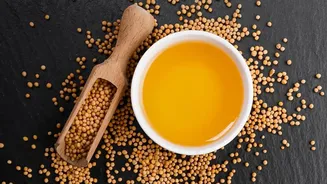
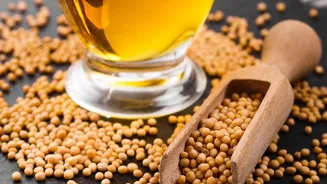
No oil is as assertive or as regionally specific as cold-pressed mustard oil. Its signature pungency, derived from a compound called allyl isothiocyanate, is the soul of cuisines in Bengal, Bihar, Punjab, and Odisha. In Bengali cooking, 'shorshe tel' is indispensable for everything from frying fish like Hilsa to making iconic dishes like 'shorshe ilish' (hilsa in mustard gravy) and 'aloo posto'. Many traditional Bengali and Bihari preparations, such as 'litti chokha' and various pickles, even use the oil raw as a finishing drizzle to harness its sharp, vibrant flavour. While its smoke point is similar to groundnut oil at around 150-180°C, many regional traditions involve heating it to just smoking to mellow its pungency for certain dishes. This process, known as 'pakao', transforms the oil's sharp bite into a deeper, rounded flavour essential for curries and marinades. From 'sarson da saag' in Punjab to fish curries in Assam, mustard oil provides an authentic flavour that simply has no substitute.
Sesame Oil: The Fragrant Soul of the South
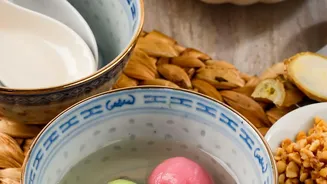
In South India, particularly in Tamil Nadu, Andhra Pradesh, and Karnataka, cold-pressed sesame oil—often called 'gingelly' or 'nalla ennai'—is revered. With its deep, nutty, and slightly earthy aroma, it is the quintessential flavouring for a host of dishes. It's the traditional choice for tempering 'sambar' and 'rasam', and it’s what gives the classic 'puliyodarai' (tamarind rice) its authentic character. A spoonful of sesame oil mixed with 'idli podi' creates a beloved and nostalgic dip for idlis and dosas. Its role isn't limited to flavour; the oil's natural preservative qualities make it a perfect base for the region's distinctive pickles. While untoasted sesame oil has a moderate smoke point suitable for daily cooking (around 160-175°C), the darker, toasted variety is typically used as a finishing oil for its intense, aromatic punch. For dishes like 'ellu sadam' (sesame rice) or simply for greasing a tawa for a crispy dosa, sesame oil is the link to an authentic South Indian taste.