







What Is Being Proposed?
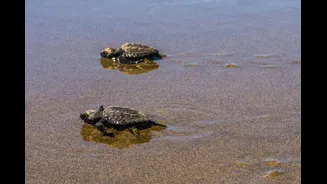
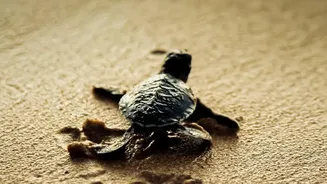
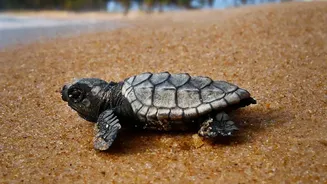
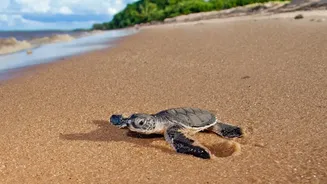
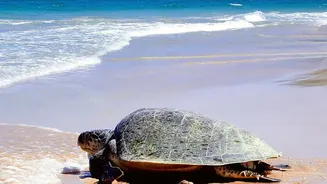
Goa's Forest Department has formally proposed that 24 of the state's beaches be officially declared as turtle nesting sites. In a letter to the Department of Environment and Climate Change, officials have asked for these locations to be given special
protection under the Coastal Regulation Zone (CRZ) Notification of 2019. If approved, this move would classify these beaches as ecologically sensitive areas, bringing stricter regulations designed to protect the vulnerable Olive Ridley sea turtles that come ashore to lay their eggs. This isn't just about a few quiet, isolated beaches; the proposal includes some of the most commercially active coastlines in India.
Which Beaches Are on the List?
The proposal covers a wide swathe of Goa's coastline. In North Goa, 10 beaches have been identified: Morjim, Mandrem, Ashvem, Arambol, Keri, Vagator, Miramar, and, most notably, the bustling tourist hubs of Baga, Calangute, and Candolim. Another 14 beaches are listed in South Goa, including Agonda, Galgibag, Palolem, Cavelossim, and Varca. While beaches like Morjim, Agonda, and Galgibaga have long been recognised as key nesting sites with active conservation programmes, this new proposal seeks to formalise protections across a much larger area where nesting activity has been reported but not officially gazetted.
The Ecological Imperative
The move comes amid growing concerns about a decline in nesting numbers observed in recent seasons. Olive Ridley turtles are classified as a 'Vulnerable' species globally and are protected under India's Wild Life (Protection) Act. They face numerous threats, many of which are linked to human activity. Bright artificial lights from beach shacks and resorts can disorient nesting females, causing them to return to the sea without laying eggs. The lights can also confuse hatchlings, who rely on the natural glow of the horizon over the water to find their way to the ocean; instead, they may crawl inland. Noise, litter, and general beach traffic during the nesting season, which typically runs from November to April, further disrupt this critical life cycle.
A Clash Between Conservation and Commerce?
The proposal has sparked a significant debate, pitting ecological preservation against economic livelihoods. For thousands of Goans, the beach is their workplace. Shack owners, fishermen, and other tourism-dependent businesses are worried about the potential impact of new regulations. The proposed rules could mean restrictions on beach shack operations, a ban on loud music and events at night, and controls on lighting and vehicle movement during the peak tourist season, which coincides directly with the turtle nesting period. Business owners have voiced their support for protecting turtles but are asking for clarity and a practical approach, fearing that blanket restrictions on commercially vital beaches like Baga and Calangute could devastate the local economy.
The Path to a Sustainable Future
The key question is whether Goa can find a balance that allows both turtles and tourism to thrive. Conservationists argue that protecting the state's natural heritage is essential for its long-term appeal as a tourist destination. The Forest Department's proposal is not an outright ban on activity but a call for regulation. The CRZ rules provide a framework for managing ecologically sensitive areas, which involves creating a detailed environmental management plan. Many believe that a collaborative model involving local communities, business owners, and government agencies is the only way forward. This could involve mandating turtle-friendly lighting, creating designated 'no-go' zones on wider beaches, and promoting eco-tourism where visitors become part of the conservation solution, as has been successfully trialled in some villages.