


A Return to Earthen Roots
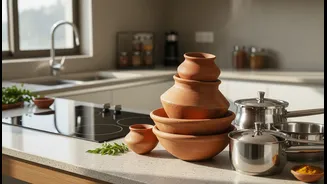
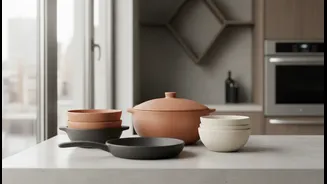
For years, stainless steel and non-stick pans have dominated Indian kitchens, prized for their speed and convenience. Yet, a growing number of urban home cooks are looking back to a simpler, more elemental way of preparing food. They are trading coated
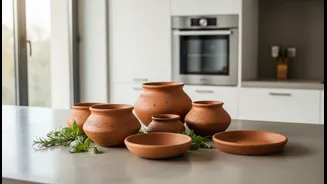
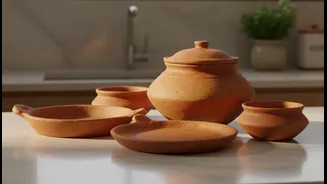
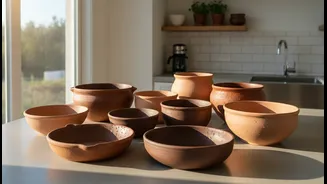
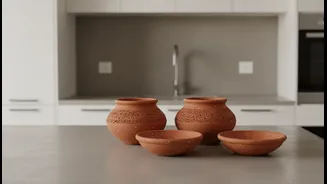
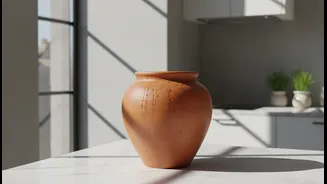
pans for 'matkas' (water pots) and 'handis' (cooking pots) made of clay. This shift is driven by a desire for authenticity and wellness. Many are turning away from cookware that may contain synthetic chemicals, seeking a natural, non-toxic alternative. The terracotta trend is a conscious choice for a slower, more mindful lifestyle, where the vessel you cook in is as important as the ingredients you use. It’s a return to traditions our grandmothers swore by, now being embraced for its relevance in the modern world.
The Science of Clay
The magic of terracotta lies in its natural properties. For cooking, the porous nature of clay allows for slow and even heat distribution, which prevents food from burning and locks in moisture. This means dishes require less oil, and the slow cooking process helps retain more vitamins and minerals that can be destroyed by high heat. Clay is also naturally alkaline, which helps to neutralize the pH of acidic foods like tomatoes, making them easier to digest and imparting a subtle sweetness. The famed 'naturally cooling' property of terracotta matkas is a feat of simple physics. The clay's tiny pores allow minuscule amounts of water to seep to the outer surface and evaporate, a process that draws heat from the water inside, leaving it refreshingly cool without any electricity.
Rajasthan's Terracotta Legacy
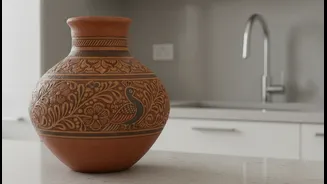
While earthenware is made across India, Rajasthan holds a special place in its history. The state's terracotta craft dates back centuries, with traditions like the Molela clay work being passed down through generations. Artisans in regions like Rajsamand create distinctive terracotta plaques and vessels that are deeply tied to the area's cultural and spiritual life. The clay itself, sourced from local riverbeds, gives Rajasthani pottery its characteristic reddish-brown hue and durability. This craftsmanship is not just about creating a pot; it's about embedding a piece of cultural heritage into a functional object. When you bring a piece of Rajasthani terracotta into your kitchen, you are supporting local artisans and preserving an ancient art form.
How to Embrace Terracotta at Home
Adopting terracotta cookware is simple, but it requires a little care. Before its first use, a new clay pot needs to be seasoned. This typically involves soaking it in water for several hours, then rubbing it with oil and sometimes baking it at a low temperature to seal the pores and strengthen it. When cooking, always start with a low flame and increase the heat gradually to prevent cracking. Cleaning is best done by hand with a soft brush and warm water; harsh soaps should be avoided as they can be absorbed by the porous clay. For stubborn stains, a paste of baking soda and water works wonders. Start with simple, water-based dishes like dals or slow-cooked vegetables to get a feel for your new pot. You'll quickly notice the enhanced aroma and deeper flavours it imparts.