






Understanding Hidden Hunger
Hidden hunger, or micronutrient deficiency, affects over two billion people globally, with a significant number living in India. It occurs when people consume enough calories to feel full but their diet lacks essential vitamins and minerals like iron,
zinc, and vitamin A. This is often due to a heavy reliance on a few staple crops, such as rice and wheat, which may not provide a complete nutritional profile. The consequences are severe, leading to weakened immunity, stunted growth in children, cognitive impairment, and increased risk of chronic diseases. It's a quiet crisis that undermines public health and national productivity without the visible signs of starvation.
The Case for Crop Diversity
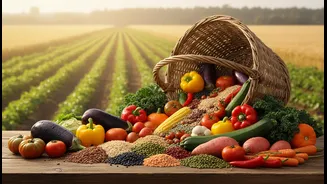
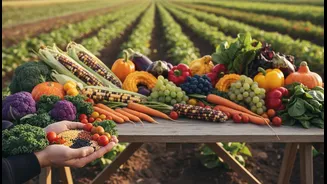
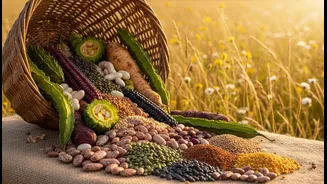
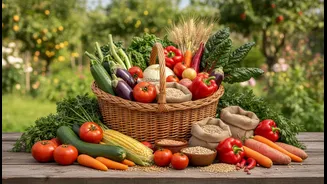
One powerful strategy to combat hidden hunger is to look back at our roots: crop diversity. For generations, traditional Indian agriculture involved a wide variety of crops, including millets, pulses, oilseeds, and local vegetables. These diverse food systems naturally provide a broader spectrum of nutrients. Organisations like the M.S. Swaminathan Research Foundation (MSSRF) advocate for reviving these 'forgotten' crops, which are often more climate-resilient and suited to local conditions. Promoting community nutrition gardens and integrating diverse local foods into diets can empower households to take control of their nutritional well-being, fostering both ecological and human health. This approach connects agricultural biodiversity directly to dietary diversity.
The Rise of Single-Crop Solutions
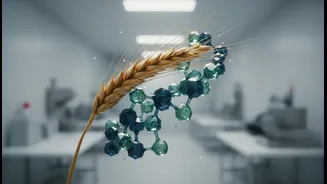
On the other end of the spectrum are targeted, science-driven interventions known as single-crop solutions, most notably biofortification. This process uses conventional plant breeding or modern biotechnology to increase the nutritional value of staple crops. For example, scientists have developed iron-rich pearl millet (bajra), zinc-fortified wheat, and vitamin A-rich rice. The Indian Council of Agricultural Research (ICAR) has been actively developing hundreds of such varieties. The primary advantage of biofortification is scalability. By enriching the staple foods that people already eat every day, it can deliver essential nutrients to millions without requiring drastic dietary changes, making it a potentially cost-effective public health tool.
A Tale of Two Strategies
The debate isn't about which approach is right, but which is most effective and sustainable. Promoting crop diversity is a holistic solution that enhances local food systems, supports biodiversity, and empowers farmers. It builds long-term resilience. However, its impact can be gradual and harder to standardise on a national scale. Biofortification, in contrast, offers a targeted and rapid way to address specific deficiencies in large populations. Studies have shown, for example, that iron-biofortified pearl millet can reverse iron deficiency and improve cognitive skills in adolescents. Yet, critics worry that an over-reliance on a few biofortified staples could further erode agricultural biodiversity and distract from the root cause of poor diets.
Finding a Sustainable Balance
The most pragmatic path forward likely involves a blend of both strategies. A 'food systems' approach recognises that no single solution fits all contexts. Encouraging the cultivation and consumption of diverse, nutrient-rich local crops should be the foundation, as this creates a resilient and sustainable food environment. Initiatives like establishing 'Nutritional Villages' where farmers grow biofortified crops alongside traditional ones represent a promising hybrid model. Single-crop solutions like biofortification can then act as a crucial, complementary tool to fill nutritional gaps, especially in regions heavily dependent on a single staple. This integrated approach leverages the scalability of scientific intervention while honouring the wisdom and resilience of traditional, diverse agriculture.