







The Moment That Silenced Celebration
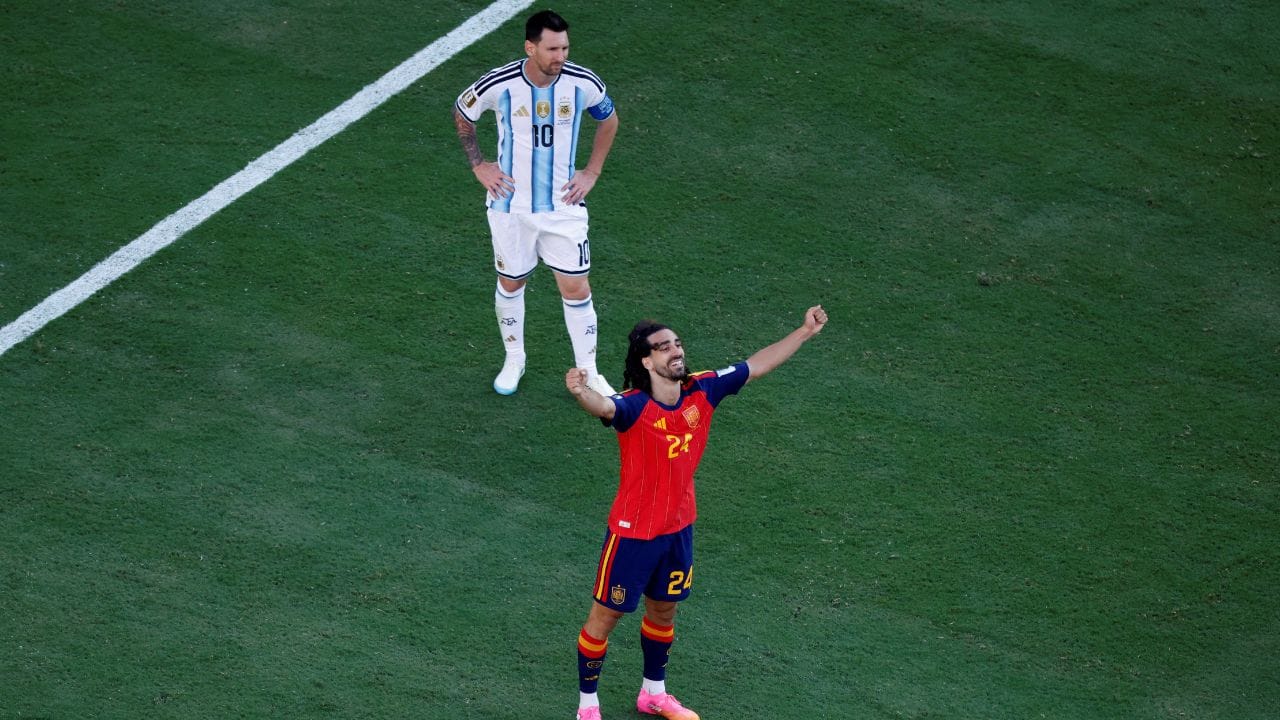
The scene was MetLife Stadium, New Jersey, deep into extra time of a goalless World Cup final. The tension between Spain and Argentina was palpable. In the 96th minute, Spanish winger Nico Williams sent the ball into the back of the net, sparking euphoric
celebrations from Spanish players and fans who believed they had finally secured the winning goal. The stadium erupted. For a fleeting moment, Spain were world champions. But the joy was cut short. Referee Slavko Vinčić had his whistle in his mouth, halting the celebrations before they could truly begin.
A Foul in the Buildup
The on-field decision was a foul in the attacking phase of play. Replays showed that in the scramble leading to the goal, Spanish midfielder Mikel Merino had made contact with Argentine defender Nicolás Otamendi inside the penalty area. Otamendi went to ground, some say theatrically, after Merino appeared to step on his foot. The Video Assistant Referee (VAR), Bastian Dankert, reviewed the incident and confirmed the on-field decision to disallow the goal. Crucially, some reports noted the referee did not conduct an on-field review at the pitch-side monitor, instead relying on the VAR's advice.
The Case for 'Robbery'
Immediately, social media and global fan forums lit up with accusations of a stolen goal. The argument from the Spanish camp and their sympathisers is that the contact was minimal, incidental, and certainly not the “clear and obvious error” that VAR is supposed to correct. Many felt that Otamendi, a veteran known for his physical style, made the most of the slight contact. The decision felt pedantic, a sterile application of the rules that ignored the context of a World Cup final. For those who believe football should flow and not be dissected frame by frame, this was technology robbing the game of its soul and Spain of its glorious moment. They argue that such a soft foul should never have been enough to overturn a decisive goal on the world's biggest stage.
The Case for 'Correct Decision'
On the other side of the debate is the cold, hard letter of the law. The rules are clear: a foul in the build-up to a goal can nullify it. Replays did show contact—Merino’s foot on Otamendi’s. While the severity is debatable, the existence of a foul is not. Proponents of the decision argue that VAR did its job perfectly. It identified an infringement that the referee also spotted in real-time and ensured the rules were correctly enforced. For them, this isn't a robbery; it's justice. The argument is that the rules must be applied consistently, whether it’s the first minute of a group stage match or the last minute of a final. To ignore the foul would have been to give Spain an unfair advantage, regardless of how “soft” it appeared.
The Uncomfortable Verdict
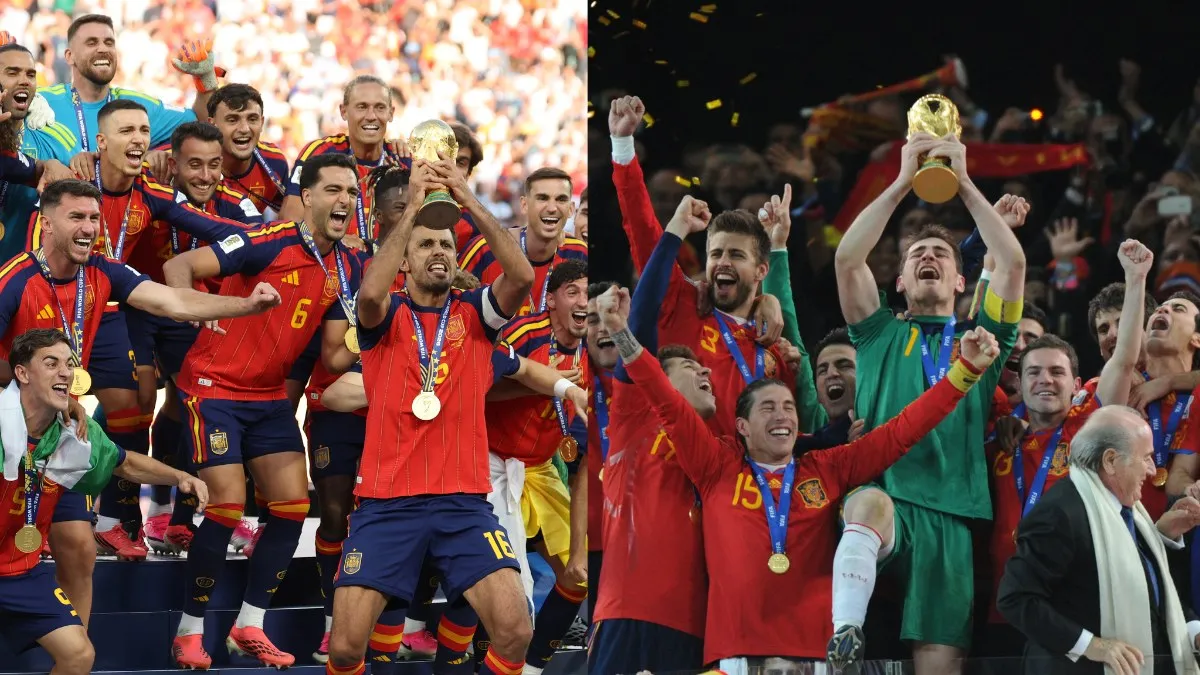
Spain would go on to win the match anyway, with a Ferran Torres goal in the 106th minute securing their victory. This fact complicates the narrative. Does it cease to be a robbery if the victim ultimately gets away with their valuables? While the disallowed goal did not change the final outcome, it remains the defining controversy of the tournament. It crystallised the ongoing, uneasy relationship between football and technology. The incident highlights a fundamental split in what fans want: perfect accuracy or the preservation of human drama and the 'spirit of the game'. The foul was arguably too soft for the occasion, yet technically, a foul nonetheless.