


The Allure of Motion
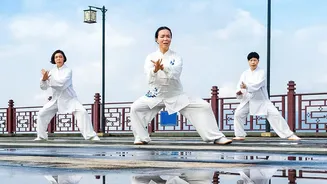
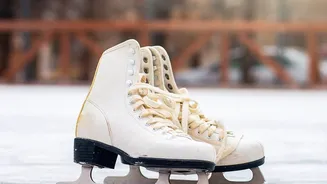
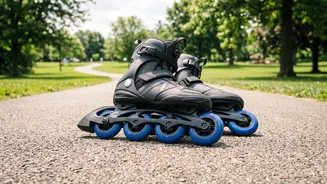
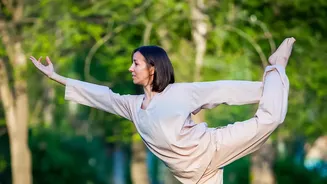
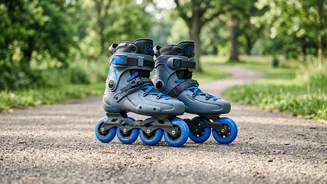
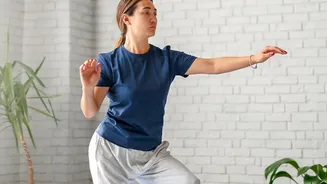
Skating, whether on wheels or ice, promises speed, a thrilling cardiovascular workout, and a sense of freedom. It’s a dynamic skill that challenges your balance and coordination. On the other hand, Tai Chi, often called 'meditation in motion', is an ancient
Chinese martial art practiced for its health benefits. It involves slow, flowing movements, deep breathing, and mental focus, promoting harmony between mind and body. While both can improve physical fitness and mental well-being, their approaches—and inherent risks for newcomers—are profoundly different.
Risk of Impact and Falls
The most significant difference for beginners lies in the risk of falling. In skating, falling is not a matter of 'if' but 'when'. The combination of speed and an unstable surface makes falls an expected part of the learning process. These falls can be sudden and lead to high-impact injuries. Wrist fractures are among the most common, as beginners instinctively throw their hands out to break a fall. Sprains, bruises, and even concussions are also notable risks. In stark contrast, Tai Chi is a low-impact exercise. The movements are slow, controlled, and grounded. While a beginner might lose their balance, the risk of a sudden, high-impact fall is minimal. Injuries are rare and typically limited to minor muscle aches or joint strain, often from improper posture rather than accidents.
Essential Protective Gear
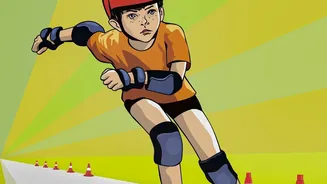
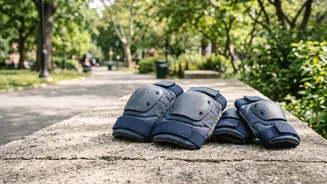
The safety equipment required for each activity clearly reflects their risk profiles. For beginner skaters, a full set of protective gear is non-negotiable. This includes a helmet to protect against head injuries, wrist guards to prevent fractures, and pads for your knees and elbows to cushion against scrapes and impact. Skating without this gear significantly increases the chance of serious injury. For Tai Chi, the requirements are far simpler. No protective gear is needed. Comfortable, loose-fitting clothing that allows for a full range of motion and flat-soled shoes are all that’s required to start. This low barrier to entry makes it an accessible option for many.
The Learning Environment
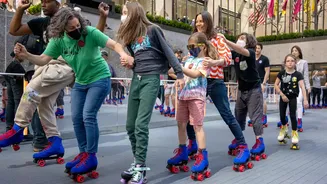
How you learn can also affect your safety. Many skaters begin by teaching themselves outdoors on pavement or at a busy public rink, where surfaces can be uneven and obstacles or other people present constant hazards. While lessons are available, a structured learning environment is not always the default. Tai Chi, however, is almost always learned in a structured class led by an instructor. This setting allows for close supervision, immediate feedback on posture and alignment to prevent strain, and a controlled, predictable space. An instructor can guide students to move within their limits and ensure movements are performed safely, which is especially important for older adults or those with pre-existing joint issues.
Pace and Physical Demands
Skating is a vigorous workout that quickly elevates your heart rate. It demands cardiovascular endurance and leg strength to propel yourself forward. The pace is fast, and maintaining control while in motion is the central challenge. Tai Chi operates at the opposite tempo. It is a gentle, mindful practice where the focus is on precision, balance, and the quality of movement, not speed. It improves strength, flexibility, and stability over time without placing major stress on the cardiovascular system. This makes it a suitable activity for nearly any fitness level, including individuals for whom high-impact, high-intensity exercise may be unsafe.