





Summer: Go Lightweight and Protect
When temperatures rise, so does oil and sweat production, which can lead to clogged pores and breakouts. The key for summer is to lighten up your routine while doubling down on protection. Dermatologists advise switching from heavy creams to lightweight,
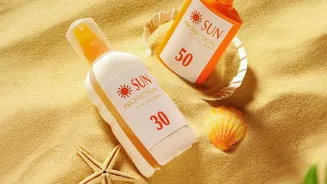
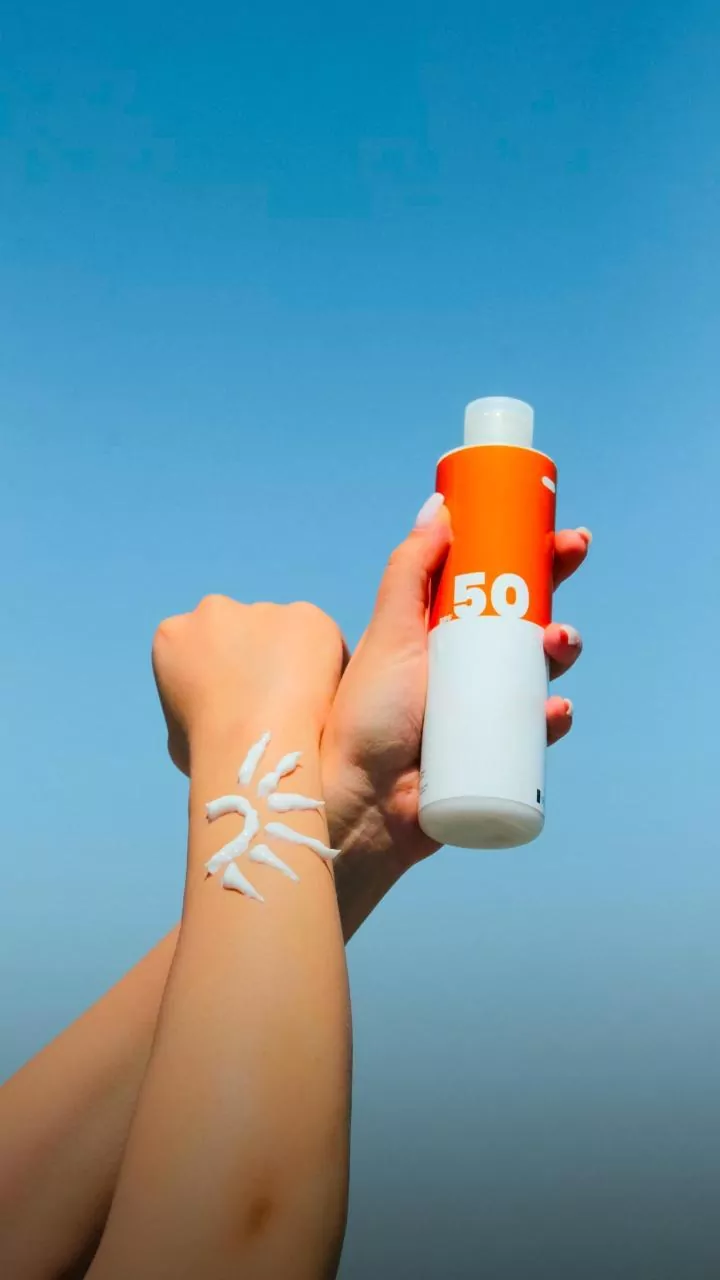
non-comedogenic, or gel-based moisturisers. Look for ingredients like hyaluronic acid, which provides hydration without feeling greasy. Even if your skin feels oily, don't skip the moisturiser. Dehydrated skin can actually produce more oil to compensate. The most critical step is sun protection. UV rays are at their most intense, so a broad-spectrum sunscreen with at least SPF 30 is non-negotiable and should be reapplied every two hours when outdoors. It's a common mistake to think the SPF in your makeup is enough; it's not. Finally, consider a gentler, foaming cleanser to effectively remove sweat, sunscreen, and grime without stripping your skin.
Monsoon: Combat Humidity and Infections
The monsoon brings high humidity, which can be a nightmare for skin. This environment encourages the growth of bacteria and fungi, leading to a spike in acne and infections. Your skincare focus should shift to controlling excess oil and preventing microbial issues. Continue using a lightweight, non-comedogenic moisturiser, as humid air doesn't equate to hydrated skin. Many experts recommend gel-based formulas for this season. It's a myth that you can skip sunscreen on cloudy or rainy days; harmful UV rays easily penetrate cloud cover. Gentle exfoliation once or twice a week with a mild chemical exfoliant can help unclog pores, but overdoing it can damage the skin barrier, so be cautious. To prevent fungal infections, it's vital to keep skin dry, especially in folds. Wear breathable cotton fabrics and change out of damp clothes immediately.
Winter: Hydrate and Nourish
Cold, dry air in winter, combined with indoor heating, can strip your skin of its natural moisture, leading to dryness, irritation, and a compromised skin barrier. Your goal this season is to hydrate, protect, and nourish. This is the time to switch to richer, thicker moisturisers. Ingredients like ceramides, shea butter, and hyaluronic acid are excellent for locking in moisture and reinforcing the skin's protective barrier. You might also want to swap your foaming face wash for a gentler, cream-based cleanser that won't strip away essential oils. While you might be tempted to take long, hot showers, they can further dry out your skin by stripping its natural oils. Opt for lukewarm water instead. And just as in other seasons, sunscreen remains a must. Winter sun, especially when reflected off surfaces, can still cause damage.
Listen To Your Skin
While these seasonal guidelines are a great starting point, dermatologists emphasize that the most important rule is to pay attention to your own skin. A person's core skin type doesn't change, but its behaviour does. If your skin feels tight, it's asking for more hydration. If it's feeling greasy or congested, it may be time to switch to lighter products or exfoliate. Don't feel pressured to overhaul your entire routine. Sometimes, a simple swap—like changing your moisturiser's texture or adjusting the frequency of exfoliation—is all that's needed to keep your skin happy and healthy as the weather shifts. This adaptability is the true secret to maintaining a radiant complexion all year long.