
Gearing Up for the Downpour
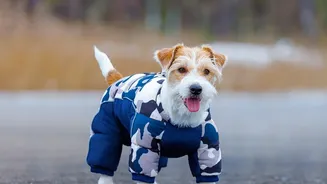
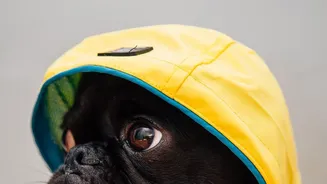
A little preparation goes a long way. Before you even step out, equipping your dog with the right gear can make the difference between a soggy, miserable walk and a safe, enjoyable one. A well-fitted, waterproof raincoat is a great first line of defence,
ideally one that covers the back and belly to minimise mud splash. Look for lightweight, breathable materials with adjustable straps for a snug fit. For low-light monsoon mornings or evenings, a coat with reflective strips is a crucial safety feature to ensure visibility for oncoming traffic. Don't forget the paws. Dog booties can protect pads from sharp debris hidden in puddles and bacteria in stagnant water. If your dog isn't a fan of boots, a protective paw balm or wax can create a barrier against rough surfaces and moisture.
Navigating the Walk Itself
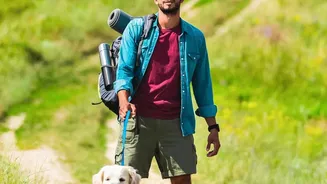
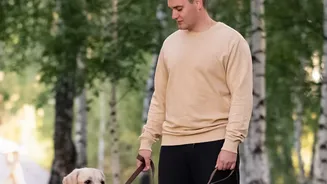
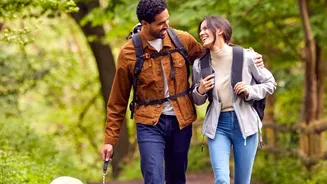
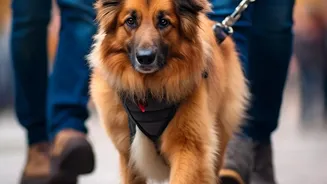
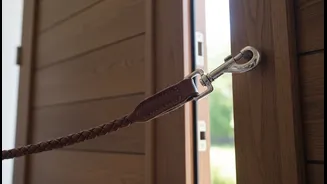
Once you're outside, the environment has changed. It's best to keep monsoon walks short but frequent, rather than one long outing. This minimises exposure to the wet and cold. Plan your route to avoid waterlogged streets and deep puddles. Stagnant water can be a breeding ground for harmful bacteria like leptospirosis and parasites like giardia, which can make your dog seriously ill if ingested, even by just licking their wet paws later. Keep your dog on a sturdy, non-slip leash for better control on slick surfaces, and avoid retractable leashes which offer less control when you need it most. Be mindful that the loud noises of thunder and rain can make some dogs anxious, so watch their body language and be prepared to cut the walk short if they show signs of stress.
The Post-Walk Clean-Up Ritual
What you do after the walk is just as important as the walk itself. The number one rule is to dry your dog thoroughly. Constant dampness in their coat is a leading cause of fungal and bacterial skin infections, often called 'hot spots', which are common in the humid monsoon weather. Start with a highly absorbent microfibre towel, paying special attention to their paws, ears, underbelly, and any skin folds where moisture can get trapped. Have a designated drying station near the door with towels and a mat to prevent muddy paw prints all over the house. Once dry, give their coat a good brush to remove any lingering dirt or debris. This is also the perfect time to inspect their paws and coat for any ticks, fleas, cuts, or redness.
When the Weather Says No
Some days, the downpour is simply too heavy for a safe walk. But a cancelled walk doesn't have to mean a bored and restless dog. The key is to provide indoor enrichment that engages both their body and mind. Simple games like hide-and-seek with their favourite toys or treats can be a great way to get them moving and using their nose. Food puzzle toys, snuffle mats, and slow feeders turn mealtime into a stimulating mental challenge. You can even set up a mini indoor obstacle course using pillows, blankets, and chairs. Short, fun training sessions to practice old tricks or learn new ones are also a fantastic way to burn mental energy and strengthen your bond, proving that a rainy day can still be a fun day.
Monsoon Health and Hygiene
The rainy season brings a higher risk of certain health issues. Beyond skin infections from dampness, the increase in parasites and water-borne diseases requires vigilance. Ensure your pet's vaccinations and deworming schedules are up-to-date before the monsoon begins, as this is crucial for preventing illnesses. Always provide fresh, clean drinking water at home, and consider boiling it if you're in an area with potential water contamination. A balanced diet helps keep their immune system strong. Lastly, pay attention to their bedding and indoor spaces. Keep bedding clean and dry, perhaps even raised off a damp floor, to create a healthy resting environment away from the moisture.