





Friend or Professional: Making the First Choice
The first major decision is choosing between a trusted friend or neighbour and a professional pet sitter. Asking a friend is often less expensive and your pet may already be familiar with them, which can reduce anxiety. However, their availability might
be limited, and they may lack experience with specific pet needs or emergencies. A professional sitter brings expertise, reliability, and is often insured and bonded, offering a layer of protection against accidents or negligence. Professionals are trained to notice subtle signs of distress or illness and have a contractual obligation to care for your pet, making them a dependable choice, especially for longer trips or pets with medical needs.
The Meet-and-Greet is Non-Negotiable
Regardless of who you choose, a pre-departure meeting is essential. This allows your pet to become familiar with their temporary caregiver in a low-stress environment with you present. During this visit, you can observe their interaction and ensure the person is comfortable with your pet's size, temperament, and any specific quirks. This is also the perfect time to walk them through your home, pointing out where food, supplies, and cleaning materials are kept. For a professional, this is also when you would check their references, insurance, and credentials from organisations like Pet Sitters International. Make sure they have a reliable way to access your home, like a spare key or a door code, and that they know how to operate any alarms.
Crafting the Ultimate Instruction Sheet
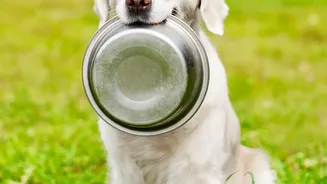
Never rely on verbal instructions alone. A detailed, written guide is crucial to prevent confusion and ensure consistency. Your instruction sheet should be comprehensive, covering every aspect of your pet’s care. Start with feeding: specify the exact brand of food, portion sizes, and feeding times. Note any allergies or foods that are off-limits, and be clear about treat guidelines. Next, outline their medication schedule with precise dosages and administration methods. Also include house rules, such as whether pets are allowed on furniture or in certain rooms. Finally, leave your contact information, the details for your veterinarian, and the number of a local 24-hour emergency vet clinic.
Beyond the Food Bowl: A Holistic Check-In
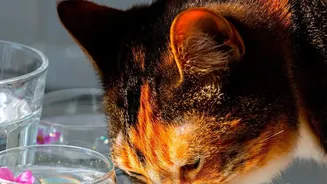
A backup feeding visit should be about more than just filling a bowl. Instruct your visitor to take a moment to ensure your pet seems healthy and comfortable. This includes checking that they have plenty of fresh water and that their environment is safe and secure. Depending on your pet, this is also an opportunity for a brief moment of playtime, a quick walk, or just some reassuring interaction to break up their solitude. This holistic approach helps maintain your pet’s routine and provides valuable social contact, which is crucial for their mental well-being while you're away. You should also be clear about what to do with pet waste, whether it's scooping a litter box or bagging waste during a walk.
The Role of Technology as a Safety Net
Technology can supplement, but rarely replace, a human visitor. Automatic pet feeders are a popular tool for ensuring meals are dispensed on time and in correct portions. They are great for short trips or as a failsafe if your sitter is unexpectedly delayed. However, they come with risks: a power outage could disable a plug-in model without a battery backup, and some anxious pets may be startled by the noise. Furthermore, a machine can't notice if your pet is unwell or if there's another issue at home. Pet cameras, on the other hand, offer excellent peace of mind, allowing you to check in visually. Just be sure to inform your visitor about any cameras in your home for full transparency.