






The Golden Rule: Keep Them Clean and Dry
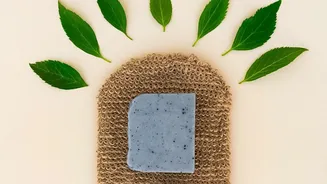
The most fundamental step in monsoon foot care is maintaining hygiene. Rainwater, often mixed with dirt and pollutants, can be harsh on your skin. Make it a non-negotiable habit to wash your feet with soap and warm water every time you return home after
being outdoors. The most critical part of this ritual is drying them thoroughly. Fungi and bacteria thrive in moist environments, and the space between your toes is their favourite hiding spot. Use a soft, clean towel and pat your feet dry, paying special attention to these interdigital spaces to prevent infections like Athlete's Foot.
Choose Your Footwear Wisely
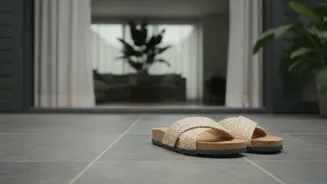
Your choice of shoes can make or break your foot health during the monsoon. While it might be tempting to wear your regular sneakers or leather shoes, these materials trap moisture and take a long time to dry, creating an ideal environment for fungal growth. Instead, opt for open-toed footwear like rubber sandals, flip-flops, or crocs. These allow your feet to breathe, and any water that gets in can easily drain out. Look for footwear with good grip to prevent slipping on wet surfaces. It's also wise to rotate your shoes; avoid wearing the same pair on consecutive days to give them at least 24 hours to air out and dry completely.
Upgrade Your Daily Foot Care Routine
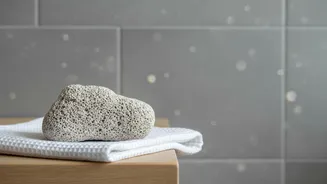
Beyond a simple wash, a few extra steps can significantly boost your protection. Regular exfoliation with a pumice stone or foot scrub helps remove dead skin cells, which can otherwise harden and lead to cracked heels. After cleaning, apply a good moisturiser to keep your skin soft and prevent cracks, but be careful to avoid the area between your toes. To combat moisture from sweat, consider using an antifungal dusting powder on your feet and inside your shoes before you head out. Additionally, keep your toenails trimmed short and straight across; long nails can accumulate dirt and germs, increasing infection risk.
Simple Home Remedies for Added Protection
You don't need expensive products for effective foot care. Your kitchen holds several remedies to keep foot problems at bay. A weekly foot soak can do wonders. Try soaking your feet for 15-20 minutes in a tub of warm water with a few tablespoons of salt or vinegar. This helps create an environment that is hostile to bacteria and fungi. If you're concerned about foot odour, which is caused by bacteria breaking down sweat, a soak in black tea can help, as the tannic acid helps close pores and reduce perspiration. Sprinkling baking soda in your shoes is another effective trick to absorb excess moisture and neutralise odours.
A Special Note for Individuals with Diabetes
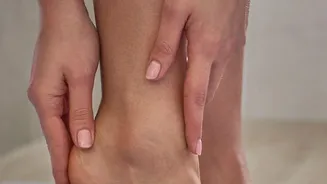
For those with diabetes, monsoon foot care is not just about comfort—it's a critical health practice. Diabetes can cause nerve damage (neuropathy), which reduces sensation in the feet, meaning you might not feel a small cut, blister, or sore. These minor injuries can quickly escalate into serious infections or ulcers due to slower wound healing. It is essential to inspect your feet daily for any redness, swelling, cracks, or cuts. Never walk barefoot, even indoors, to protect your feet from injury and damp floors. Always wear well-fitting footwear, as shoes that are too tight or too loose can cause blisters and restrict circulation. If you notice any changes in your toenails or any wound that isn't healing, consult a doctor immediately.