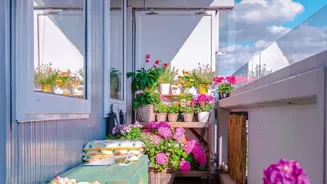







The Golden Glow of Marigolds
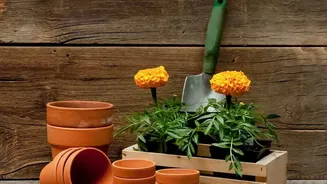
Marigolds, or 'genda phool', are a staple in Indian households, intrinsically linked with the festive season. Planting them in October ensures your balcony is ablaze with shades of yellow, orange, and red right in time for Diwali. These flowers are incredibly
easy to grow and thrive in containers, making them perfect for urban balconies. They are sun-loving plants, so pick a spot that receives at least six hours of direct sunlight for the most abundant blooms. For potting, choose a container that is at least 6 to 8 inches in diameter with good drainage holes to prevent waterlogging, which marigolds dislike. A standard, well-draining potting mix is sufficient. You can sow seeds directly into the pot, covering them lightly with soil; they typically sprout within a week. Water the plants when the top inch of soil feels dry, but avoid making the soil soggy. Regularly pinching off spent flowers, a practice known as deadheading, will encourage the plant to produce even more flowers, keeping your balcony cheerful all through winter.
The Autumnal Charm of Chrysanthemums
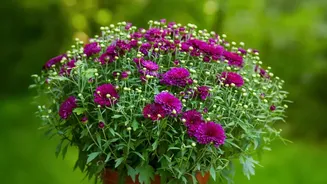
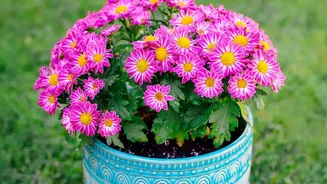
Chrysanthemums, affectionately known as 'mums' or 'Shevanti', are the quintessential autumn flower, heralding the arrival of cooler weather. Their blooming season in India is perfectly timed from October to February, offering a long-lasting display of colour. Available in a spectacular range of hues including white, yellow, pink, and deep red, they bring happiness and optimism to any space. When growing chrysanthemums in pots, choose a container at least 30cm in diameter to give them enough room to grow bushy. They thrive in well-drained, nutrient-rich soil; a mix of garden soil, compost, and cocopeat works wonderfully. Like marigolds, 'mums' are sun-worshippers and need about five to six hours of daily sunlight to produce a profusion of flowers. An east-facing balcony is often ideal. Water them regularly, ensuring the soil remains moist but never waterlogged. Checking the top inch of soil for dryness is a reliable guide. To encourage a fuller, bushier plant with more flowers, pinch about an inch off the top when the plant reaches six inches in height.
The Goodness of Homegrown Winter Spinach
Beyond flowers, your October balcony can also be a source of fresh, organic greens. Winter spinach, or 'palak', is an excellent choice as it thrives in the cooler temperatures of the coming months. Growing your own ensures a supply of tender, pesticide-free leaves for your kitchen. Spinach has shallow roots, so a pot that is 6 to 8 inches deep is perfectly adequate. Make sure it has good drainage. A mix of garden soil and compost will provide the rich, fertile base it needs. Unlike the flowers, spinach does well in partial shade or a spot that receives four to six hours of milder morning sunlight, which prevents the leaves from wilting in harsh sun. Sow the seeds about half an inch deep and keep the soil consistently moist until they germinate, which usually takes five to ten days. You can start harvesting the outer leaves when the plant has developed a small cluster, leaving the inner leaves to continue growing. This 'cut-and-come-again' method can provide you with fresh spinach for several weeks from the same plants.
Tips for a Thriving Balcony Garden
To ensure your balcony garden flourishes, a few basic principles apply to all your plants. Good drainage is non-negotiable for container gardening. Always choose pots with holes at the bottom to let excess water escape and prevent root rot. Using a quality, well-draining potting mix is a great start. For an extra boost, you can mix in some compost or well-rotted manure before planting. Pay attention to the specific sunlight needs of each plant and arrange your pots accordingly. Plants in containers tend to dry out faster than those in the ground, so check the soil moisture daily, especially on sunny days. Finally, regularly removing dead leaves and spent flowers will not only keep your plants looking tidy but also direct the plant's energy towards new growth and more blooms.