



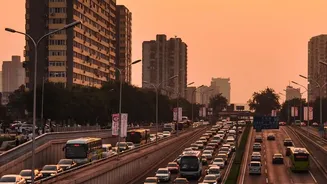
The Scale of the Urban Parking Crisis
India's metropolitan areas are choking on their own success. As cities like Mumbai, Delhi, and Bengaluru have grown into bustling economic hubs, they've also become magnets for vehicles. The country adds millions of new vehicles to its roads each year,
but the infrastructure to support them, especially parking, has not kept pace. This mismatch has created a severe parking crisis, leading to congested roads, wasted fuel, and daily frustration for commuters. Studies have shown that a significant portion of traffic congestion is caused by drivers 'cruising' for a parking spot. In cities with historic centres and narrow lanes, the problem is even worse, as roads designed long before the automotive boom are now forced to double as parking lots. This not only slows down traffic but also forces pedestrians onto dangerous roadways as footpaths become overrun with parked vehicles.
The Footprint Advantage: Size Matters
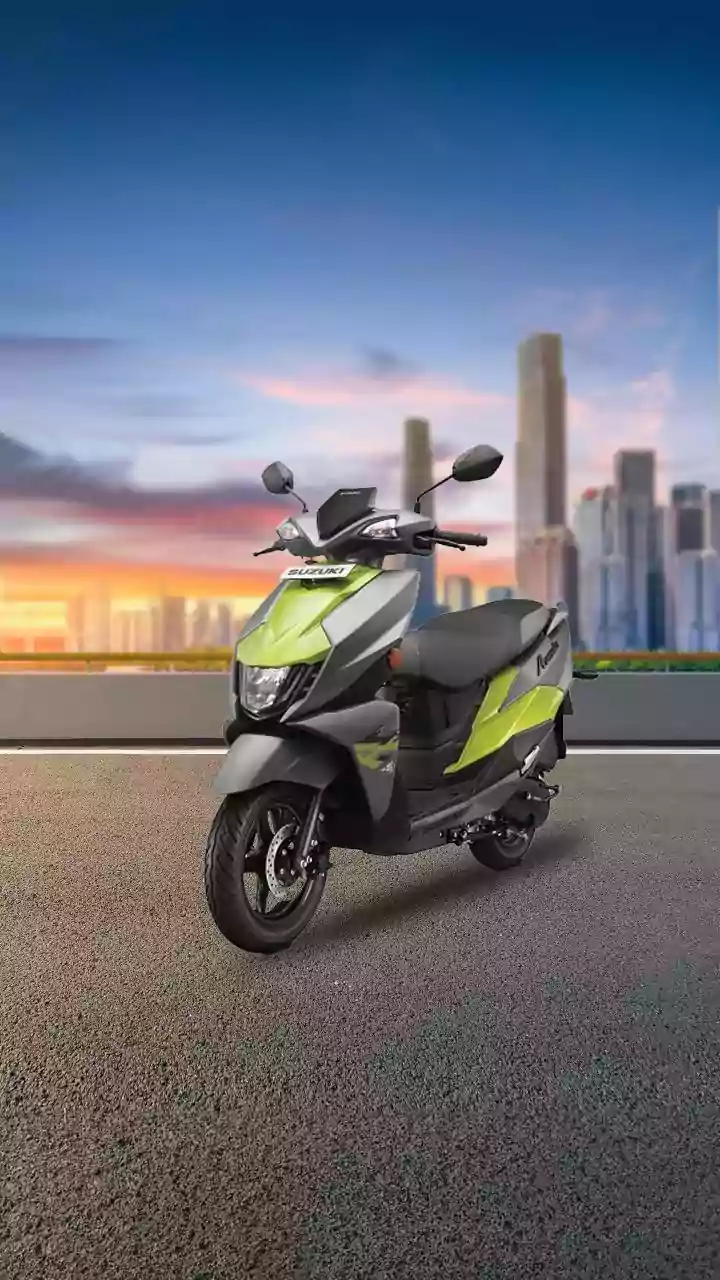
Herein lies the most obvious and powerful advantage of a two-wheeler: its size. According to Indian government guidelines and building codes, a standard parking space for a car is approximately 2.5 metres by 5 metres. A space for a motorcycle or scooter, however, is much smaller, often around 1.0 metre by 2.0 metres. This means that in the physical footprint required for a single car, you can comfortably and legally park four to five two-wheelers. This simple fact has profound implications. For residential societies struggling with limited lots or office buildings with overflowing basements, encouraging two-wheelers can dramatically increase parking capacity without any new construction. For the individual rider, it means accessing tight spots, nooks, and designated two-wheeler areas that are completely inaccessible to car drivers. This size advantage is the first and most crucial step in solving the daily parking puzzle.
Financial Flexibility and Lower Costs
The benefits of a smaller footprint extend directly to your wallet. In many commercial areas, organised parking lots, and even residential complexes, the cost of parking is significantly lower for two-wheelers compared to cars. For instance, in some parts of Bengaluru, the hourly parking fee for a two-wheeler can be half that of a four-wheeler, with monthly passes showing similar savings. Beyond official lots, the reality of urban India is that two-wheelers often find free parking in informal spaces where a car would be ticketed or towed. This financial relief isn't just about parking fees. The fuel efficiency of scooters and motorcycles means lower running costs for daily commutes. When you combine savings on fuel, maintenance, and the drastically lower (or nonexistent) parking charges, the economic case for choosing a two-wheeler for city travel becomes incredibly compelling.
Mastering Last-Mile Connectivity
The challenge of urban commuting isn't just about the main journey; it's also about the 'last mile'—the final leg from a metro station or a bus stop to your office, or from a main road to a shop tucked away in a crowded market. Cars are often too cumbersome for this final stretch. You might find parking, but it could be a 15-minute walk from your actual destination. Two-wheelers excel at solving this last-mile problem. Their agility allows riders to navigate narrow lanes and congested bylanes, getting them closer to their final destination than any four-wheeler could. This means less time walking from a distant parking spot and more time for what matters. Whether it's a quick trip to the grocery store or the daily commute to an office in a dense commercial district, a scooter or motorcycle offers unparalleled door-to-door convenience.
Agility in Motion, Simplicity in Stillness
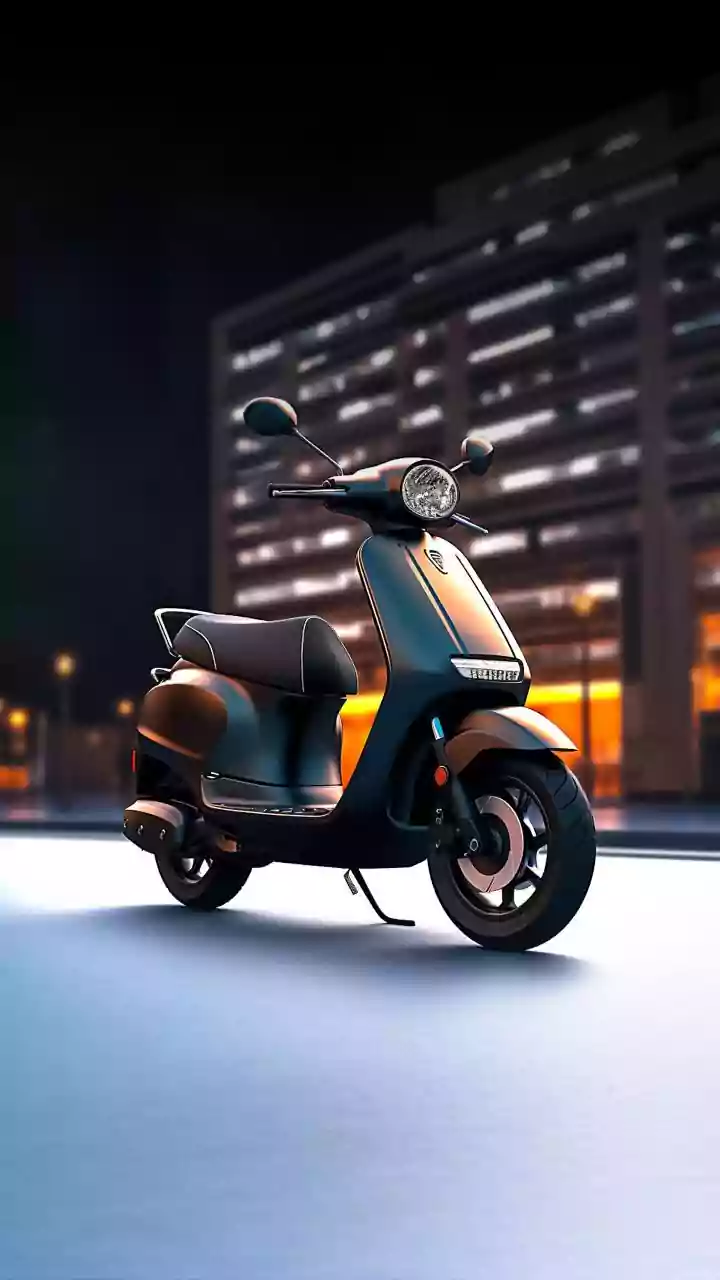
The same agility that makes two-wheelers perfect for navigating traffic also makes them easier to park. Maneuvering a car into a tight parallel spot is a skill that can test the patience of any driver. In contrast, guiding a scooter into a narrow space is simple and quick. This ease of use reduces the stress associated with the entire commuting experience. The time saved isn't just in the search for a spot, but in the physical act of parking itself. Furthermore, with the rise of electric two-wheelers, riders can enjoy a quiet, emission-free ride that adds to the sense of ease and efficiency. The combination of nimble handling on the road and effortless parking at the destination makes two-wheeler ownership a holistic solution to the pressures of city transport.