

The Old Made New Again
Indian cuisine is often associated with complex spice blends and lengthy cooking processes that can feel intimidating. While those elaborate dishes remain a cherished part of the culture, a new movement is gaining momentum, one that strips recipes back
to their essentials. This trend isn't about discarding tradition but re-engaging with it. Chefs and home cooks are looking past the heavy sauces to shine a spotlight on the inherent flavours of heritage ingredients, many of which had been overshadowed by more commercial crops like wheat and rice. The goal is to create meals that are lighter, quicker, and more aligned with modern, health-conscious lifestyles without losing their cultural soul.
The Mighty Return of Millets
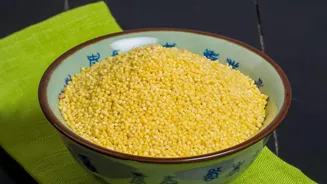
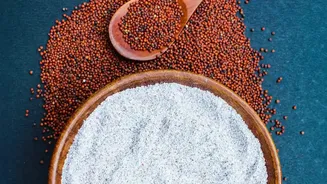
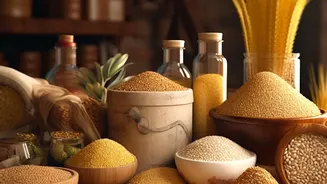
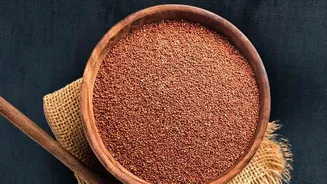
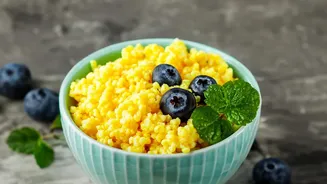
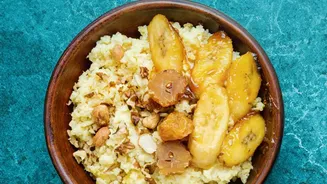
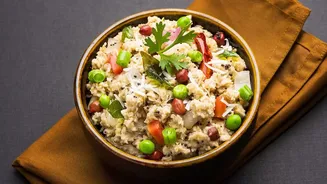
At the forefront of this culinary renaissance are millets. Grains like jowar (sorghum), bajra (pearl millet), and ragi (finger millet) were staples in India for millennia before falling out of favour. Now, they are making a powerful comeback. Celebrated for being gluten-free, high in protein and fibre, and having a low glycemic index, millets are nutritional powerhouses. This revival has been so significant that the UN, at India's suggestion, declared 2023 the 'International Year of Millets'. In modern kitchens, these versatile grains are being transformed into everything from breakfast bowls and salads to risottos and baked goods, proving they are far more than just ingredients for flatbreads.
Beyond Grains: Rediscovering Local Produce
The trend extends well beyond millets. There's a renewed appreciation for local and seasonal vegetables that were once kitchen staples. Ingredients like moringa (drumstick leaves) and chakkakuru (jackfruit seeds) are being celebrated for both their flavour and health benefits. Traditionally used in regional dishes like 'thoran' (a Keralan stir-fry), these ingredients are now finding their way into contemporary recipes. For instance, a simple stir-fry of jackfruit seeds and moringa leaves showcases the earthy texture of the seeds and the nutrient-dense profile of the leaves, creating a dish that is both rustic and modern. This approach champions using every part of a plant, reflecting a sustainable, root-to-stem philosophy.
Health, Convenience, and Connection
So, what's driving this shift? A major factor is a growing global awareness around health and wellness. Indian consumers are increasingly seeking out meals that are nutritious and less reliant on heavy creams, refined oils, and sugars. The simplicity of these new recipes also appeals to busy, modern lifestyles, where spending hours in the kitchen isn't always feasible. Furthermore, for many, this is a way of reconnecting with a culinary heritage that was almost lost to convenience. By embracing these ingredients, cooks are not just making dinner; they are participating in a cultural movement that feels both authentic and forward-thinking.