

The Annual Urban Deluge
From Mumbai's financial district to Bengaluru's IT corridors and Delhi's arterial roads, severe waterlogging has become a defining feature of the Indian monsoon. This is not a case of simple flooding; it is a systemic failure where even a few hours of intense
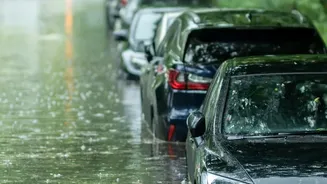
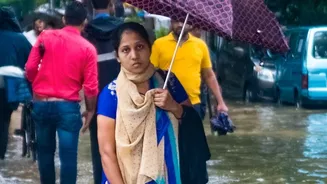
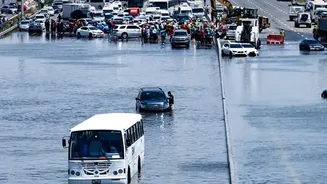
rain can bring a metropolis to its knees. Businesses shut down, transport grinds to a halt, and millions of people are left stranded. The images are stark: submerged vehicles, inundated homes, and citizens wading through waist-deep, contaminated water. This recurring chaos is a symptom of a deeper problem—our cities were not built to handle the climatic realities of the 21st century. The disruption causes immense economic losses and poses significant public health risks from waterborne diseases.
A Legacy of Outdated Drains
At the heart of the problem lies a network of colonial-era and decades-old drainage systems. Mumbai's core stormwater network, for instance, was designed in the 1860s to handle about 25 mm of rain per hour. Today, the city frequently experiences downpours that are four times that intensity. Similarly, Delhi's drainage standards are based on 1976 norms. These systems were engineered for a much smaller population and a far milder climate. Unchecked urban expansion has only made things worse. The sheer volume of runoff from an ever-expanding concrete jungle completely overwhelms this ageing infrastructure. Drains are often clogged with solid waste and silt, further reducing their already insufficient capacity and turning streets into floodplains.
The Climate Change Multiplier
Climate change is acting as a powerful and unpredictable multiplier in this crisis. Scientific studies show that global warming is making India's summer monsoon stronger and more erratic. Instead of steady, prolonged rainfall, monsoons are now often characterized by long dry spells punctuated by short, intense, and extreme rainfall events. For every degree Celsius of warming, monsoon rainfall is projected to increase by about 5%, making extremely wet years more frequent. This pattern of high-intensity downpours dumps a massive amount of water in a very short period, a scenario that even modern drainage systems would struggle with, let alone the antiquated networks of Indian cities. This shift means the problem is not just about the total volume of rain, but the speed at which it falls.
Erasing Our Natural Sponges
Rapid and often unplanned urbanization has systematically destroyed the natural defences that once protected cities from flooding. Lakes, wetlands, ponds, and green spaces that used to act as natural sponges—absorbing and holding excess rainwater—have been relentlessly encroached upon and paved over to make way for buildings and roads. Cities like Bengaluru have lost a significant percentage of their interconnected lake systems, which were crucial for managing stormwater. This rampant concretization reduces the ground's ability to absorb water, forcing almost all rainwater to become surface runoff that chokes the drainage systems. We have effectively removed the natural safety valves while simultaneously increasing the pressure on the man-made ones.
The Path Forward: Building 'Sponge Cities'
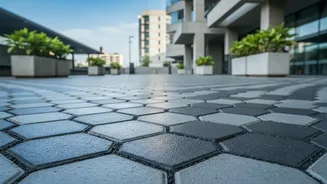
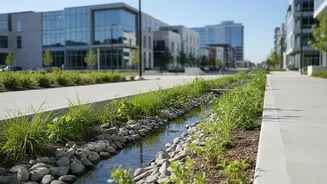
Solving this crisis requires moving beyond the simple, expensive, and often delayed projects of widening drains. The key is to adopt a more holistic and nature-inspired approach. Experts are increasingly advocating for the "Sponge City" concept, which integrates nature-based solutions into urban design. This involves creating more permeable surfaces like porous pavements, developing green roofs, and building rain gardens that allow water to seep into the ground. It also means aggressively protecting and rejuvenating existing water bodies like lakes and wetlands to serve as natural retention areas. These measures, combined with updated drainage master plans, real-time weather forecasting, and stricter regulation against encroachment, can help cities live with water rather than perpetually fighting it.