







Why the Monsoon Magnifies Health Risks
The rainy season creates an environment where pathogens thrive. High humidity allows bacteria and viruses to multiply rapidly on food surfaces. Heavy rains can lead to waterlogging, causing sewage to mix with sources of drinking water, which increases
the risk of waterborne diseases like cholera, typhoid, jaundice, and gastroenteritis. According to the World Bank, about 21% of communicable diseases in India are related to unsafe water. It's a time when being extra vigilant about what you eat and drink is not just advisable, but essential for staying healthy.
Mastering Water Safety at Home
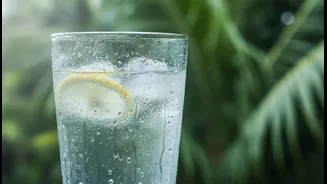
Contaminated water is a primary source of monsoon-related illnesses. The Food Safety and Standards Authority of India (FSSAI) and other health experts strongly advise against drinking tap water directly without purification. The simplest and most effective method is to bring water to a rolling boil for at least one to three minutes to kill most germs and parasites. If boiling isn't feasible, using a reliable water purifier with RO (Reverse Osmosis) and UV (Ultraviolet) technology is highly recommended. Always store purified water in clean, covered containers to prevent re-contamination, and avoid using ice from unknown sources when outside.
Kitchen Hygiene and Food Prep Rules
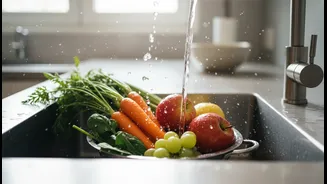
Your kitchen is the first line of defense. The FSSAI recommends several key practices. Always wash your hands thoroughly with soap and water before handling food. Fruits and vegetables must be washed properly under clean running water. For leafy greens, which can harbour dirt and germs, soaking them in a saltwater or weak vinegar solution provides a deeper clean. It's also wise to use separate cutting boards for raw meat and vegetables to prevent cross-contamination. Cook food thoroughly to kill any bacteria, and reheat leftovers until they are piping hot. Leftover food should be refrigerated within two hours, as food spoils much faster in the humid climate.
The Street Food Dilemma
The craving for hot pakoras and chaat intensifies during a downpour, but street food poses a significant risk this season. Open-air stalls are exposed to contaminated water, dust, and flies, making them hotspots for infections. Foods that involve uncooked ingredients or unpurified water, like pani puri, pre-cut fruit salads, and various chutneys, are especially hazardous. If you must indulge, opt for vendors who maintain high standards of hygiene and prepare food fresh in front of you. The safest bets are items that are served piping hot, such as deep-fried bhajiyas, freshly steamed momos or idlis, or roasted corn (bhutta), as the high heat kills most germs. It's best to avoid any cold or raw toppings.
Choosing the Right Foods
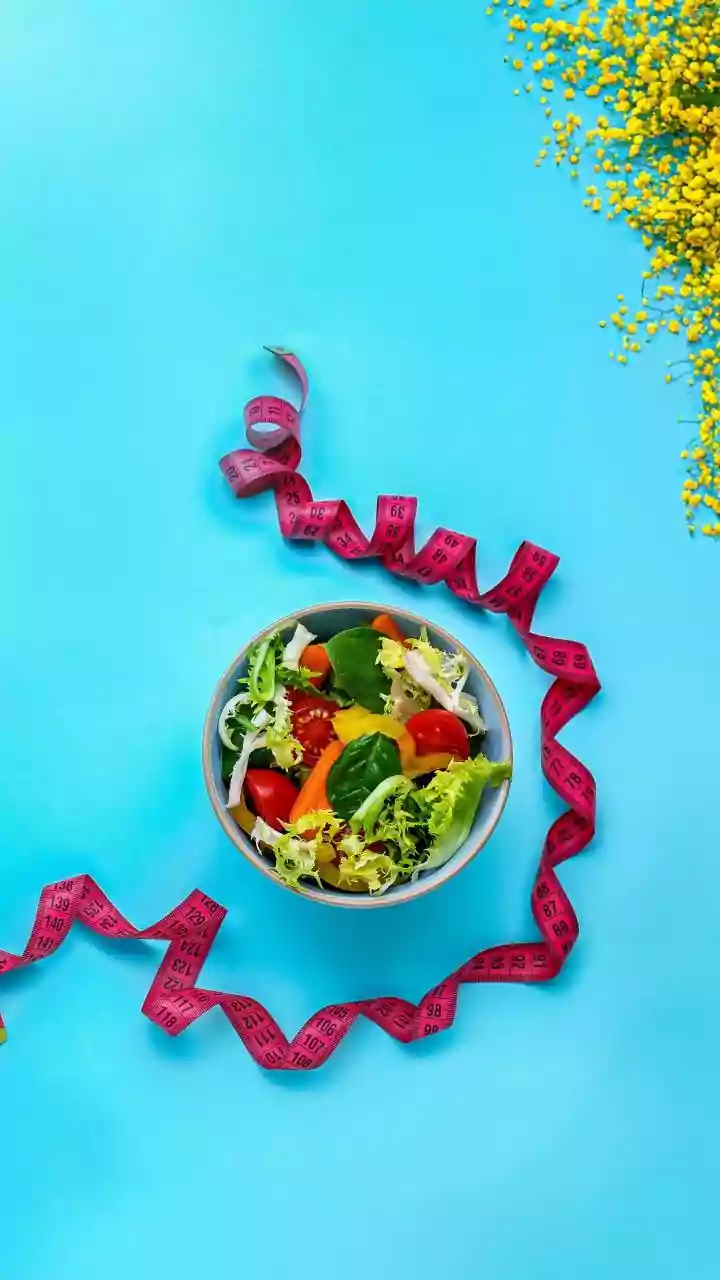
Beyond hygiene, your food choices can also protect you. It's best to avoid raw or undercooked foods, including salads, unless prepared at home with thoroughly washed ingredients. Steaming vegetables before consumption is a safer alternative. Dairy products like paneer and cheese can spoil quickly, so ensure they are from a reliable source and stored correctly. Incorporating immunity-boosting ingredients into your diet is also beneficial. Spices like turmeric, ginger, garlic, and pepper, which are staples in Indian cooking, have properties that can help build your body's defenses against infections. Opting for light, home-cooked meals is the surest way to stay healthy.