




Why Welcome Butterflies?
Beyond their enchanting beauty, butterflies are vital pollinators. By creating a small haven for them, you're not just getting a spectacular natural show; you are playing a crucial role in supporting our urban ecosystem. These colourful insects help flowers
and plants reproduce, contributing to local biodiversity right from your home. A few well-chosen pots can become a mini-ecosystem, offering a serene escape and a daily dose of nature.
The Two-Fold Planting Strategy
A successful butterfly garden caters to their entire life cycle. This means you need two types of plants: nectar plants for the adult butterflies to feed on, and host plants for their caterpillars. Female butterflies will seek out specific host plants to lay their eggs, ensuring their young have a ready food source. Providing both is the secret to not just attracting passing butterflies, but encouraging them to stay and reproduce.
Nectar Plants: A Buffet for Adults
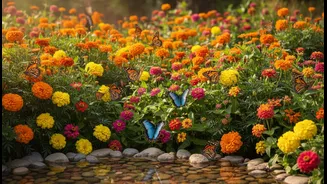
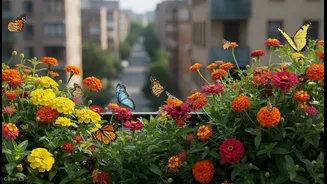
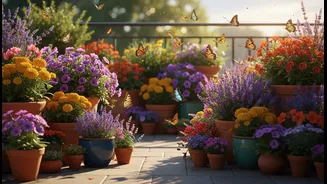
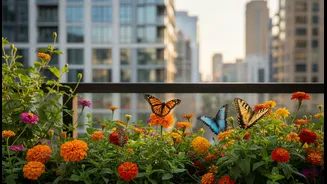
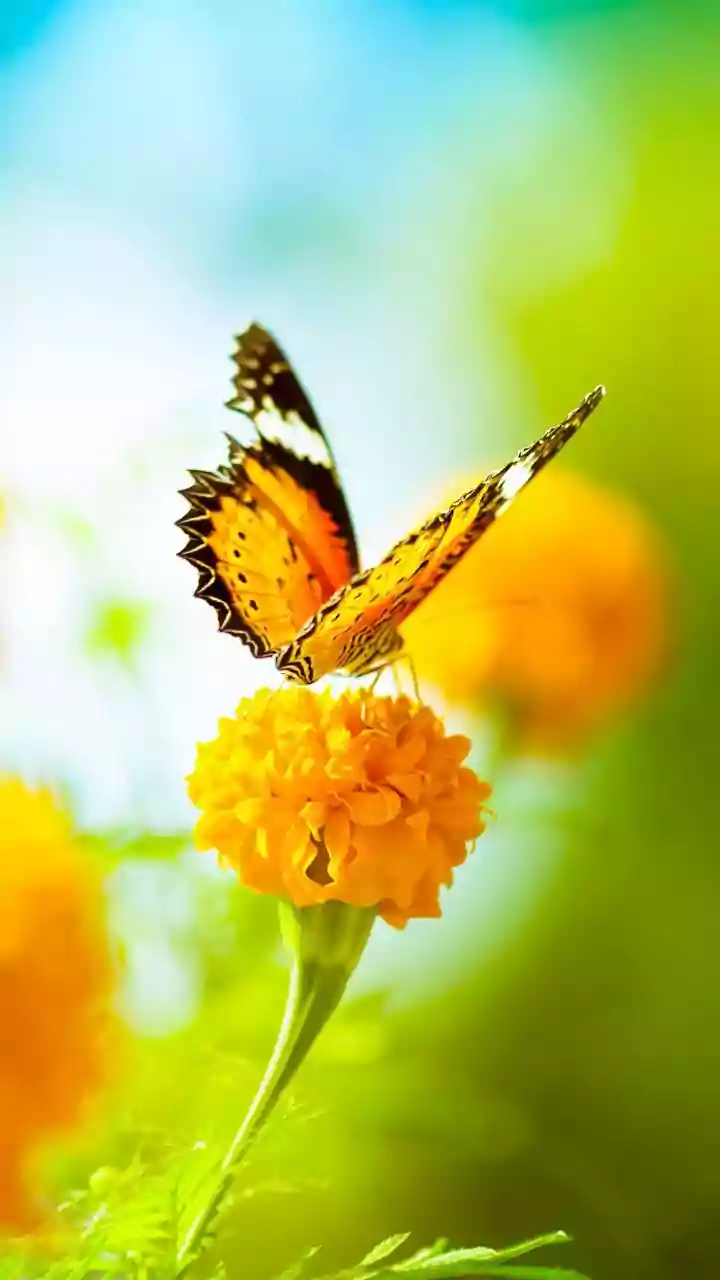
To attract adult butterflies, you need a floral buffet. They are drawn to bright, nectar-rich flowers. For Indian balconies that receive at least five to six hours of sunlight, some of the best choices for pots are Lantana, Pentas, Ixora, and Marigold. Lantana is hardy and produces clusters of flowers that many butterflies love. Pentas offers star-shaped blooms rich in nectar, while the fiery bunches of Ixora are irresistible. Cheerful Marigolds not only add a splash of orange and yellow but are also hardy and easy to grow for beginners. Other great options include Zinnia, Cosmos, and Hibiscus.
Host Plants: A Nursery for Caterpillars
This is where the magic really begins. To see generations of butterflies, you must provide food for their young. Different butterfly species are attracted to specific host plants. In India, some easy-to-grow options for containers include Curry Leaf (Kadi Patta) plants, which attract the beautiful Common Mormon butterfly. Citrus plants like lemon are hosts for the striking Lime butterfly. Milkweed (Asclepias) is the essential host plant for the iconic Plain Tiger and other Tiger butterflies. By planting these, you give butterflies a safe place to lay their eggs and ensure the survival of their caterpillars.
Creating the Perfect Environment
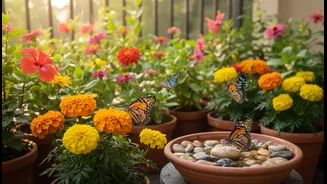
Butterflies need more than just food. As cold-blooded creatures, they require sunny spots to bask and warm their wings. A few flat stones placed in a sunny pot can serve as a perfect sunbathing deck. They also need a safe source of water. Fill a shallow dish or plant saucer with pebbles or sand and add just enough water to keep it moist. This 'butterfly puddler' allows them to drink and absorb essential minerals without the risk of drowning.
Keep It Natural and Safe
The most important rule for a butterfly haven is to go completely organic. Chemical pesticides and insecticides are deadly to butterflies and their caterpillars, undoing all your hard work. Embrace natural pest control methods and learn to tolerate a few nibbled leaves on your host plants. Remember, a chewed leaf is a sign of success—it means your garden is providing a nurturing home for the next generation of butterflies.