

Understanding the August Gauntlet
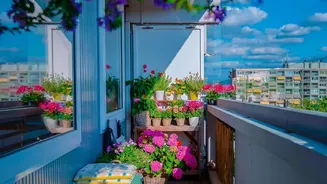
Why is this month so particularly challenging? Container plants are more vulnerable than their in-ground counterparts. Their roots are exposed to heat from all sides, and the limited soil volume dries out much faster. August adds a double punch: scorching
sun bakes the soil, while high humidity, contrary to what one might think, can stress plants by hindering their ability to cool themselves through transpiration. This combination can lead to root rot if watered incorrectly and fungal diseases. Your balcony essentially becomes a microclimate where temperatures are amplified, making plant selection absolutely critical.
The Champions: Heat-Loving Bloomers
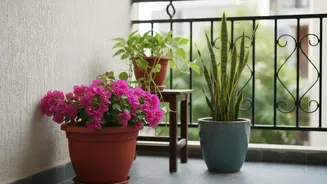
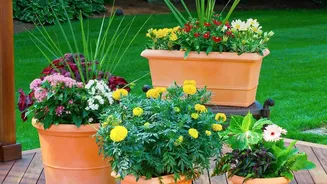
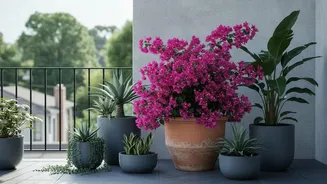
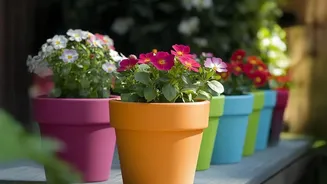
To pass the August test, you need plants that are genetically programmed to thrive in these conditions. For vibrant colour, look no further than Bougainvillea, a true champion of the Indian summer that flowers more when 'stressed' by the sun. Portulaca, or Moss Rose, is another excellent choice, with colourful, hardy flowers that relish hot and dry conditions. Zinnias offer a classic, daisy-like appeal and are well-adapted to the heat, while Lantana provides clusters of bright flowers that are both tough and attract butterflies. Finally, the ever-reliable Marigold (Genda) is a staple for a reason; it's hardy, pest-resistant, and withstands intense sunlight with ease.
Foliage That Flourishes Without Fuss
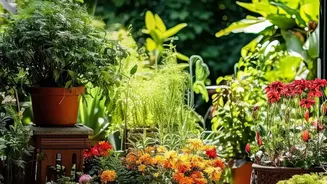
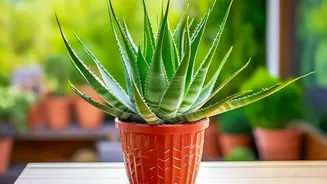
Flowers aren't the only way to create a lush balcony. For indestructible greenery, the Snake Plant (Sansevieria) is a top contender, tolerating extreme heat, fluctuating water levels, and even low light. Similarly, the ZZ Plant is famous for its ability to survive neglect, making it perfect for busy or beginner gardeners. Succulents like Aloe Vera and Jade Plants are naturally designed for arid conditions, storing water in their thick leaves, which makes them incredibly drought-tolerant and ideal for sunny spots. These plants provide structure and a cool green backdrop to the brighter blooms.
Smarter Care for a Sweltering Summer
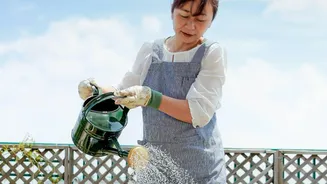
Choosing the right plant is only half the battle. Your care routine needs to adapt as well. Water deeply but less frequently, preferably in the early morning before the sun is strong. This allows the water to penetrate to the roots without evaporating instantly. Avoid watering the leaves during the day, which can scorch them. Applying a layer of mulch, like shredded bark or leaves, can significantly help retain soil moisture and keep roots cooler. It's also wise to avoid dark-coloured plastic or metal pots, which absorb and conduct heat, essentially cooking the roots. Terracotta is breathable, but dries out fast, so consider double-potting—placing a plastic pot inside a larger terracotta one—to insulate the roots.
Provide Strategic Shade
Even the most sun-loving plants can benefit from a little relief during the peak afternoon heat. You don't need to block all the light. A simple shade cloth, which you can find at most hardware stores, can filter the harshest rays while still allowing for air circulation. You can drape it over a simple frame or attach it to your railing. Even grouping taller plants to shelter smaller, more delicate ones can create a microclimate that reduces stress across your entire balcony garden. For very sensitive plants, a well-placed umbrella during the hottest part of the day can make all the difference.