







The Common Protein Mistake
Many young professionals and students in India operate on hectic schedules. Mornings are rushed, often involving just a quick cup of chai and a biscuit. Lunch might be a hurried affair at the office canteen or a takeaway meal. By dinnertime, ravenous
hunger leads to a large, often protein-heavy meal. This pattern, sometimes called ‘protein back-loading,’ feels natural, but it’s one of the biggest mistakes we make with our nutrition. Studies show a widespread trend among urban young adults of skipping breakfast and relying on convenience foods, which sets the stage for this imbalanced daily intake.
Why Protein Back-Loading Fails
The body is brilliant, but it can't store protein for later use in the same way it stores fat. When you consume a huge amount of protein in one go, your body takes what it needs for immediate repair and muscle-building and then has to deal with the excess. Research shows that for most young adults, muscle protein synthesis is maximized with about 20-25 grams of high-quality protein in a meal. Anything significantly above that doesn't provide extra muscle-building benefits. More importantly, by starving your body of protein all day, you are not giving it the necessary building blocks for ongoing repair, which can lead to low energy and even muscle breakdown.
The Power of Protein Pacing
The solution is surprisingly simple: distribute your protein intake evenly throughout the day. Instead of one massive protein meal, aim for moderate amounts at breakfast, lunch, and dinner, with a protein-powered snack in between. Studies suggest that an even distribution of protein leads to a more significant increase in muscle protein synthesis over 24 hours compared to concentrating it in the evening. This approach provides your body with a steady stream of amino acids, which helps in maintaining muscle mass, stabilizing energy levels, improving satiety to prevent cravings, and promoting better recovery.
Reimagining Your Breakfast
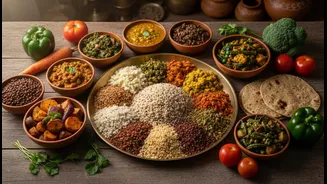
The most crucial change is making breakfast a protein priority. This helps to kickstart muscle protein synthesis after the overnight fast. Fortunately, traditional Indian cuisine is full of excellent options that go far beyond toast. Consider a couple of besan or moong dal chillas, which can pack 14-16 grams of protein. Other great choices include paneer bhurji, a sprouted moong salad, poha with a generous helping of peanuts, or a bowl of dahi with nuts and seeds. Even a simple egg bhurji provides a solid protein foundation for the day. These meals are not only protein-rich but also provide fibre and complex carbohydrates for sustained energy.
A Smarter Lunch and Snack Strategy
Lunch is your next opportunity to keep the momentum going. If you eat from a canteen or order out, look for dal, paneer, chicken, or fish dishes. A simple thali with dal, a vegetable sabzi, and roti is often a well-balanced choice. Packing your lunch gives you even more control. For snacks, instead of reaching for chips or biscuits, opt for roasted chana, a handful of almonds, or a small cup of yogurt. These snacks provide that crucial protein bridge between lunch and dinner, preventing you from becoming overly hungry and overeating in the evening.
Dinner Becomes Balanced, Not Bloated
With protein already supplied throughout the day, dinner can become a lighter, more balanced affair. It should still contain a source of protein, like a simple dal, a piece of grilled fish, or some tofu, but it doesn't need to be the hero of the plate. This approach aids digestion and can lead to better sleep quality, as your body isn't working overtime to process a massive meal. You'll wake up feeling refreshed and ready for the day, rather than sluggish and still full from the night before.