





Beyond the Shopping List
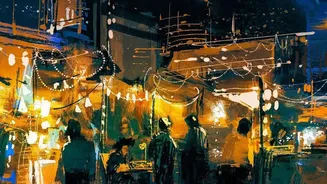
First, let go of the idea that a market is just a place to buy things. In India, bazaars are the historic heart of a city, a social space where communities interact, and a vibrant stage for daily life. They are not supermarkets with neat aisles and predictable
layouts. They are chaotic, colourful, noisy, and sometimes overwhelming symphonies of human interaction. For centuries, before malls existed, these were the epicentres of commerce, culture, and connection. To treat a market like a checklist is to miss its very soul. The real goal isn't to efficiently find an item, but to immerse yourself in the experience. The true souvenirs are the stories you collect and the memories you make while wandering through its labyrinthine lanes.
A Feast for the Senses
An Indian market engages all your senses at once. Visually, it’s an explosion of colour: mounds of aromatic spices in shades of turmeric yellow, chilli red, and coriander green; shimmering fabrics; and dazzling displays of jewellery and bangles. The air itself is a complex perfume, thick with the fragrance of fresh flowers, the intoxicating aroma of spices, and the sizzle of street food being prepared on the spot. Then there are the sounds: the passionate calls of vendors advertising their wares, the friendly hum of bargaining, the chatter of friends meeting, and the general energy of the crowd. It’s a sensory overload in the best possible way, a living tapestry that you can see, smell, hear, and touch.
The Art of the Detour
A rigid plan is your enemy in a local market. The best discoveries are made when you allow yourself to get lost. Wander down that narrow side alley that looks intriguing. Pause to watch an artisan at work, meticulously crafting an item by hand using techniques passed down through generations. Let your curiosity guide you. This is the essence of ‘slow travel’ applied on a micro scale. Instead of rushing from point A to B, you allow for spontaneity. This mindset shift turns a shopping trip into an exploration. You might find a rare handicraft, a hidden tea stall, or simply a quiet corner to watch the world go by. The joy is in the unplanned moments of discovery.
Conversations Are Currency
The people are what truly make a market come alive. The vendors are not just sellers; they are experts, storytellers, and often the artisans themselves. Engaging with them is key to a richer experience. Ask about their products, where they come from, or how they’re made. Many will be happy to share their knowledge and a piece of their story. Even bargaining, a common practice in many Indian bazaars, is a form of social interaction. Approached with a smile and good humour, it becomes a friendly negotiation rather than a battle over price. These conversations build connections and provide a deeper understanding of the local culture that a guidebook can never offer.
Fuel Your Exploration
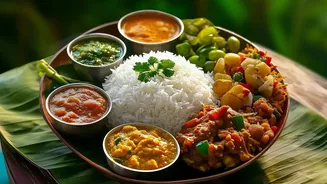
No market visit is complete without sampling the street food. Food stalls are an integral part of the bazaar ecosystem, offering quick, delicious, and affordable fuel for shoppers and vendors alike. From savoury snacks like samosas and pani puri to freshly brewed chai, the street food culture reflects the region's culinary identity. These stalls are not just places to eat; they are social hubs where people gather, chat, and take a break from the hustle. Taking a moment to enjoy a local speciality is part of the immersive experience, offering another layer of flavour to your visit.