




Why Simplicity Wins
Many fitness enthusiasts fall into the trap of believing that a better workout requires more exercises and more variety. This often leads to a lack of direction and inconsistent results. In reality, the most effective strength programs are built on a foundation
of fundamental human movement patterns. Instead of isolating individual muscles, this approach trains the body to work as an integrated system, just as it does in daily life. By focusing on compound movements—exercises that engage multiple joints and muscle groups at once—you build functional strength, improve coordination, and reduce the risk of injury from muscular imbalances. This method is not only more efficient but also promotes long-term mobility and stability.
Pattern 1: The Squat
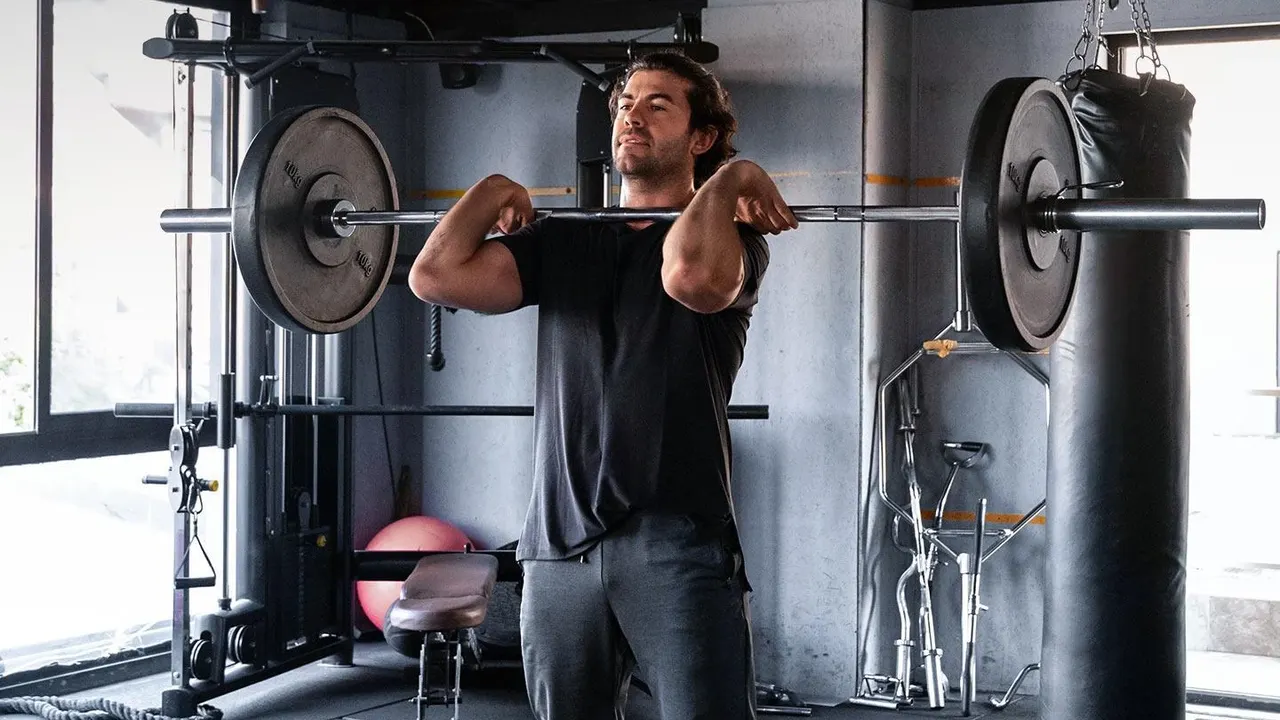
The squat is arguably the most essential lower-body movement, mimicking everyday actions like sitting down, standing up, and lifting objects. A well-executed squat is a full-body exercise that primarily targets the quadriceps, glutes, and hamstrings while also engaging the core and lower back for stability. Training this pattern improves lower-body strength, enhances mobility in the hips and ankles, and helps maintain independence as you age. There are many variations to suit your fitness level, from basic bodyweight squats and goblet squats to more advanced barbell front or back squats. The key is to maintain proper form, keeping your chest up and heels on the ground.
Pattern 2: The Hinge
The hip hinge is a powerful movement that is crucial for building a strong posterior chain—the muscles on the back of your body, including the glutes, hamstrings, and lower back. Unlike a squat, which involves significant knee bend, a hinge is a hip-dominant movement where you push your hips back with minimal bending at the knees. Mastering the hinge is essential for safely lifting objects from the floor and generating power in athletic activities. It’s a pattern that is often under-trained, but exercises like deadlifts, kettlebell swings, and good mornings are incredibly effective for developing full-body strength and preventing back pain.
Pattern 3: The Push
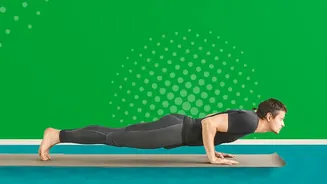
Pushing movements involve moving a weight away from your body, and they are fundamental for upper-body strength. This pattern can be broken down into two main categories: horizontal and vertical. Horizontal pushes, like the classic push-up and bench press, primarily work the chest muscles. Vertical pushes, such as the overhead press, target the shoulders. Both variations also heavily recruit the triceps. A balanced routine should include both types of pushing movements to ensure comprehensive shoulder and chest development and to support daily activities like pushing open a door or placing an item on a high shelf.
Pattern 4: The Pull
As the natural counterpart to pushing, pulling movements involve bringing a weight toward your body. These exercises are vital for building a strong back and biceps and are critical for correcting the postural issues that can arise from a sedentary lifestyle. Like the push pattern, pulling can be horizontal or vertical. Horizontal pulls, such as bent-over rows and seated cable rows, target the mid-back. Vertical pulls, like pull-ups and lat pulldowns, focus on the latissimus dorsi—the large muscles that give the back its width. A strong back is essential for posture, shoulder health, and overall balanced strength.
Building Your Simple Workout
The beauty of this four-pattern system is its simplicity and flexibility. You can create a balanced, full-body workout by choosing just one exercise from each category. For example, a session could consist of Goblet Squats (squat), Kettlebell Swings (hinge), Push-ups (push), and Dumbbell Rows (pull). You can structure your week in several ways. One popular method is to perform a full-body workout two to three times per week on non-consecutive days. Another approach is to split the patterns, focusing on push and squat one day, and pull and hinge the next. The most important factor for success is not the complexity of your plan, but your consistency in executing it with good form.