




The Rise of the Balcony Garden
In a city known for its dense urban landscape and soaring temperatures, the desire for green space is palpable. For many apartment dwellers in Chennai, the dream of a sprawling garden is just that—a dream. Yet, a new trend is proving that you don't need
a large plot of land to connect with nature. Residents are embracing kitchen herb gardens, turning compact spaces into functional, fragrant oases. This shift is driven by a blend of wellness aspirations, a growing interest in sustainable living, and the simple joy of having fresh, organic produce at arm's reach. The COVID-19 pandemic also played a role, as lockdowns spurred an interest in home-based hobbies and highlighted the fragility of supply chains, making the idea of growing one's own food more appealing than ever.
From Concrete to Coriander
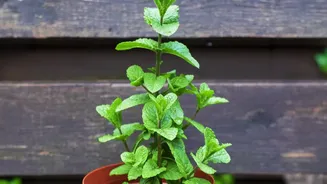
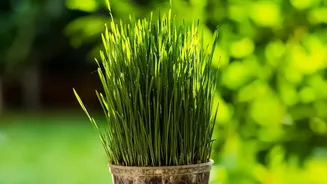
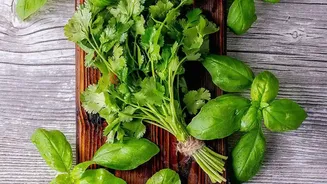
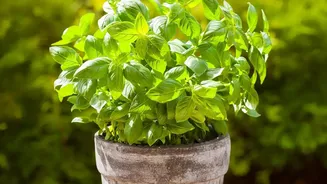
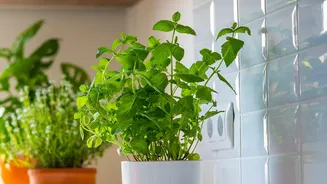
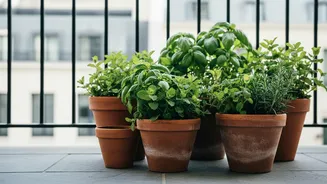
The beauty of the kitchen herb garden movement lies in its accessibility. With just a few pots, some good soil, and a sunny spot, any balcony, patio, or windowsill can become a mini-farm. In Chennai's warm climate, a variety of herbs thrive. Staples of Indian cuisine like coriander (dhania), mint (pudina), and curry leaves are popular and relatively easy to grow. Basil, both the holy tulsi variety and its Italian cousin, flourishes in the sun, while lemongrass adds a zesty aroma to the air. These aren't just decorative plants; they are living pantries that offer flavour and freshness that store-bought herbs simply cannot match. Organisations and local initiatives in Chennai have been encouraging this trend by distributing mobile garden kits and offering guidance, making it even easier for beginners to get started.
More Than Just a Garnish
The benefits of a home herb garden extend far beyond the kitchen. For many, the act of gardening itself is a form of therapy—a mindful practice that reduces stress and provides a welcome break from the digital world. Tending to plants offers a sense of purpose and a tangible connection to the cycles of nature. These green corners also have a positive environmental impact. Plants help purify the air, and rooftop gardens can even help cool buildings, a significant benefit in a hot city like Chennai. Research has shown that rooms under a terrace garden can be cooler by 2-3°C. Furthermore, growing your own produce reduces your carbon footprint by eliminating the need for long-distance transport and plastic packaging.
Cultivating Community and Wellness
What starts as an individual hobby often blossoms into a community-building activity. Neighbours share tips, exchange seeds, and sometimes even trade their surplus produce. Online groups and WhatsApp channels have become virtual meeting places for Chennai's urban gardeners, fostering a sense of connection and shared learning. Initiatives like the Chennai Urban Farming Initiative (CUFI) are working to scale this concept, targeting not just individual homes but also schools and community spaces to improve food security and environmental awareness. These gardens become hubs for social interaction, bringing people together and strengthening community bonds in the often-anonymous setting of a large city.
Tips for the Chennai Gardener
While Chennai's climate is conducive to growing many plants, it also presents unique challenges, such as intense heat and managing water. Success lies in choosing the right plants and providing proper care. Opt for heat-tolerant herb varieties. Ensure good drainage in pots to prevent waterlogging, especially during the monsoon. A layer of mulch can help the soil retain moisture and stay cool. Watering in the early morning or late evening is most effective. Starting small is key; begin with a few easy-to-grow herbs like mint or tulsi to build confidence. By understanding the specific needs of the local environment, city gardeners can cultivate a thriving green space that yields rewards all year round.