

From Kitchen Scrap to Pantry Staple
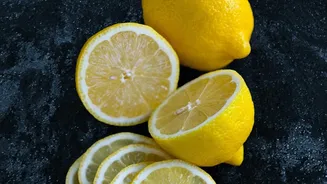
In the world of zero-waste cooking, every ingredient is viewed as a resource. Citrus peels, which make up a significant portion of the fruit's weight, are often discarded without a second thought. Yet, these peels are nutritional powerhouses, containing
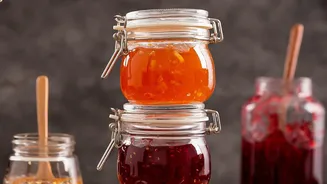
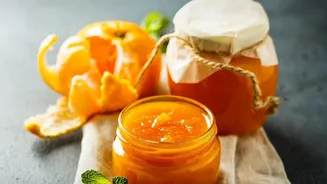
fibre and antioxidants. They are also bursting with the essential oils that give oranges, lemons, and grapefruits their signature aromas. By rethinking waste, home cooks can transform these humble peels into marmalade, a preserve celebrated for its complex, bittersweet flavour. This process not only saves money and reduces landfill waste but also adds a unique, homemade staple to your pantry that is full of character.
The Magic Ingredient: Natural Pectin
The secret to any good jam or jelly is achieving the right set, and that’s where pectin comes in. Pectin is a naturally occurring soluble fibre found in fruits and vegetables that, when heated with sugar and acid, creates a gel. Citrus peels, particularly the white pith, are an incredibly rich source of this gelling agent. This means you don't need to rely on store-bought pectin, which often contains additives. Using the peel's own pectin allows for a more natural jam-making process and gives you greater control over the final product. It’s a perfect example of using the whole fruit in a way that is both practical and sustainable.
A Simple Guide to Making Peel Jam
The process is surprisingly straightforward. First, wash your citrus peels thoroughly. To reduce bitterness, you can boil the peels in water for 5-10 minutes, then discard the water and repeat the process. This step is optional and depends on your preference for marmalade's characteristic bitter edge. After boiling, finely slice or chop the softened peels. Combine the peels in a pot with water and sugar. A good starting point is a 1:1 ratio of sugar to fruit/peel mixture by weight, but this can be adjusted. Add a splash of lemon juice to help the pectin set. Bring the mixture to a boil, then reduce the heat and let it simmer, stirring occasionally, until it thickens. This can take anywhere from 30 minutes to over an hour.
Making It Healthy: Control the Sugar
Traditional marmalade is high in sugar, which acts as a preservative and helps it set. However, when you're making it at home, you are in complete control. Because citrus peels are so high in natural pectin, you can get away with using significantly less sugar than many commercial recipes call for. For a healthier version, you can reduce the sugar amount or experiment with natural sweeteners like honey or maple syrup. Some recipes use low-sugar pectin products to ensure a good gel with less sweetness. While it's a sweet treat, homemade peel jam can be a healthier alternative to store-bought versions that often contain high-fructose corn syrup and other additives.
Get Creative With Flavours
Once you master the basic method, the possibilities are endless. Don't be afraid to mix different types of citrus peels—like orange, lemon, and grapefruit—for a more complex and layered flavour profile. You can also introduce spices to create a truly unique preserve. A cinnamon stick, a few whole cloves, or a star anise pod added to the pot during simmering can infuse the jam with warmth and depth. A small amount of vanilla extract stirred in at the end adds a creamy, aromatic finish. Experimenting with these additions is part of the fun of homemade preserves and allows you to tailor the final product perfectly to your taste.