
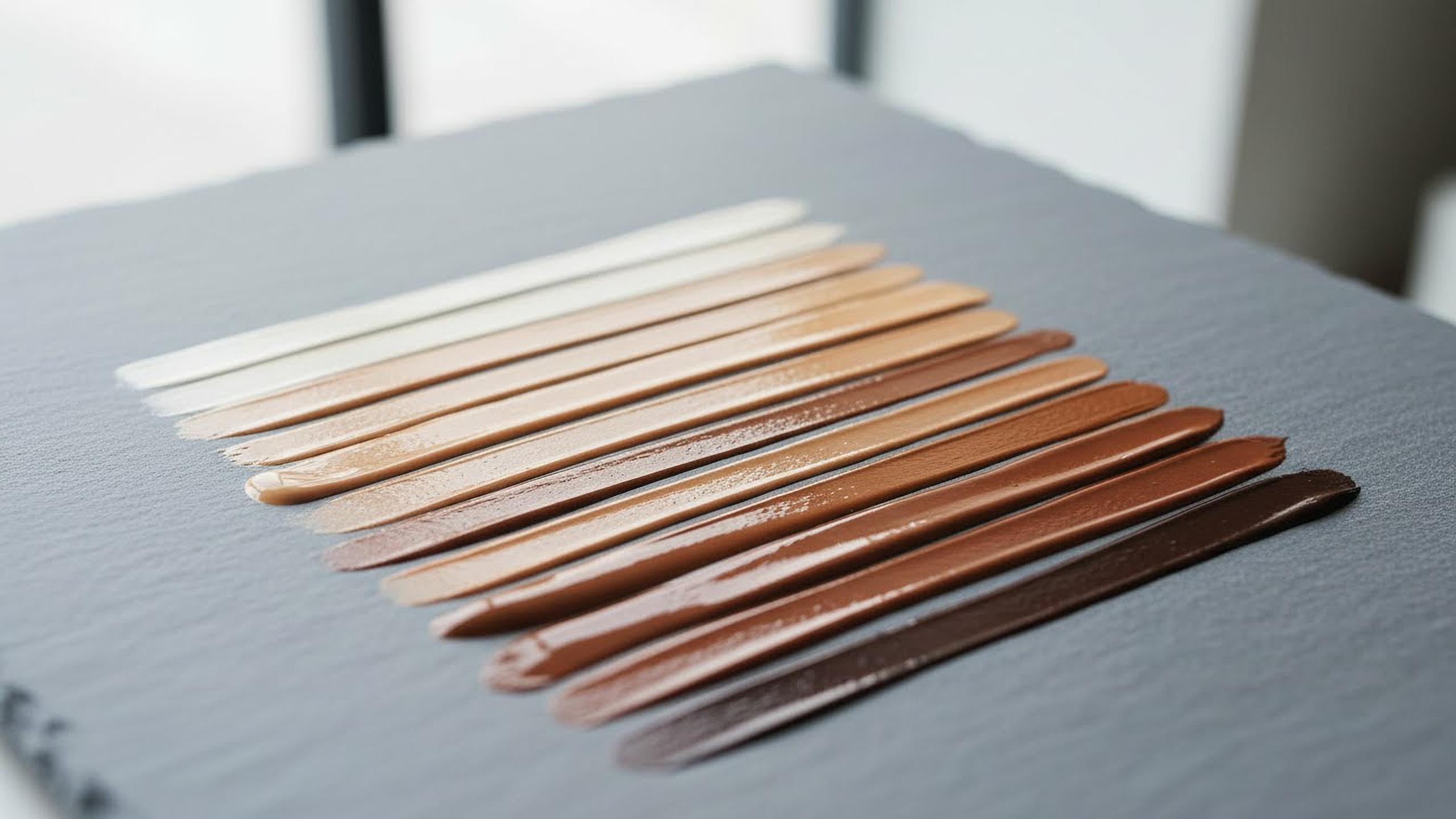
The Tech Behind the Match
Finding a foundation shade with your phone isn't just one single technology; it’s a mix of different approaches. The most advanced method uses your phone's camera and artificial intelligence (AI). You take a selfie or use a live camera feed, and the AI analyses
your skin. It scans for your skin's depth (how light or dark it is) and, crucially, its undertone (the cool, warm, or neutral hue beneath the surface). These systems, used by major brands and multi-brand apps, are trained on massive databases of skin tones and foundation products. Other tools are essentially sophisticated quizzes. They ask you questions about how your skin reacts to the sun or what colour your veins appear to recommend a shade. A third category is augmented reality (AR) try-on, which lets you 'see' a shade on your face, though this is more for visualization than an initial recommendation.
The Reality Check: How Accurate Is It?
Here's the million-dollar question: can you trust the results? The answer is a qualified 'yes'. AI-powered tools are significantly more accurate than online quizzes, which rely on you correctly assessing your own skin. Some reports show AI matching can achieve over 90% accuracy and dramatically reduce product returns. However, accuracy is highly dependent on one major factor: lighting. A photo taken under the warm, yellow light of your bathroom will produce a different result than one taken in cool, natural daylight near a window. Your phone's camera quality also plays a role. Furthermore, some AI models have been shown to be less accurate for darker skin tones, a bias that stems from the data they were trained on. While the technology is impressive and constantly improving, it's not foolproof. Most experts agree it's an excellent starting point, but maybe not the final word.
Tips for Getting a Better Match
You can significantly improve your results by controlling the variables. First, always use natural daylight. Sit facing a window, but out of direct, harsh sunlight, to give the camera the clearest possible view of your skin tone. Make sure your face is clean and free of any makeup, which can skew the analysis. When you take the photo, focus on your jawline, as this area is less likely to be affected by sun exposure or redness than your cheeks or forehead. It's also where your foundation needs to blend seamlessly into your neck. If the app allows, take photos of a few different spots, like your jaw, cheek, and chest, to get a more comprehensive reading. Finally, don't just rely on one app. Testing your shade on two or three different platforms can help you see if there's a consensus, giving you more confidence in the recommendation.
Your Phone Is a Co-Pilot, Not the Pilot
Think of these digital tools as a brilliant personal shopper who can narrow down the overwhelming number of options to a manageable few. They are fantastic for discovering new brands or finding an equivalent to a discontinued favourite. In 2026, many brand-specific apps from companies like Fenty, MAC, and Charlotte Tilbury are highly accurate for their own product lines. Others, like Sephora's Color IQ, have years of data to back up their recommendations. But technology can't account for everything. It doesn't know how a formula will oxidise (darken slightly after it dries) on your specific skin chemistry or how it will feel throughout the day. The best approach is to use the app's top recommendations to create a shortlist. Then, if possible, get samples of those top two or three shades to test in real life. This combination of smart technology and real-world testing is the true secret to finding your holy-grail foundation.