






Measure the Entire Path, Not Just the Room
One of the most common furniture buying mistakes is only measuring the final destination space. That gorgeous sectional might fit perfectly in your living room, but that means nothing if it can't get through the front door, up a narrow staircase, or around
a tight hallway corner. Before you buy, measure the height and width of every doorway, elevator, and corridor along the delivery path. For large items like sofas, you'll also need the diagonal depth measurement, which tells you if the piece can be tilted to maneuver through tight spots. Taking these extra measurements can save you from the costly headache of a failed delivery.
Consider the True Weight of Your Purchase
A beautiful solid wood armoire looks timeless and sturdy, but its weight can be a significant drawback. Think about the logistics not just for the initial delivery, but for any future moves you might make. Heavy furniture is more difficult and often more expensive to move, and it increases the risk of damaging floors or walls. It's also worth considering the materials. Pieces made from solid wood are generally heavier and more durable than those made from medium-density fiberboard (MDF) or particle board, which are common in more affordable flat-pack furniture. Balance the desire for high-quality, heavy materials with the reality of your living situation, especially if you rent or anticipate moving in the next few years.
Embrace Modularity and Flexibility
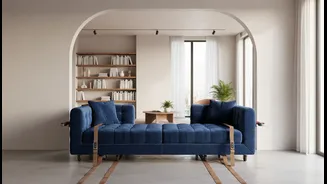
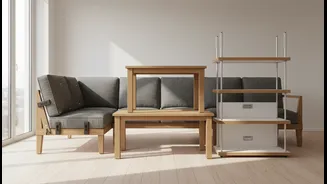
Modular furniture, which consists of individual sections that can be arranged in various configurations, is a renter's or frequent mover's best friend. A modular sectional sofa can be reconfigured to fit different living room layouts, and you can add or remove sections as your needs change. This adaptability means the furniture you buy today is more likely to work in your next home, whether you're upsizing or downsizing. Modular shelving and storage units offer similar benefits, allowing you to customize your setup for any space. This flexibility makes modular pieces a smart long-term investment that can evolve with your lifestyle.
The Flat-Pack vs. Pre-Assembled Dilemma
The choice between flat-pack (ready-to-assemble) and pre-assembled furniture is a classic trade-off between cost, convenience, and portability. Flat-pack furniture is generally more affordable and much easier to transport into apartments with tight access. However, you have to account for assembly time and the potential for frustration or mistakes. Pre-assembled furniture saves you time and is often more durable from the start, but delivery can be a major challenge for large items. If you move often, high-quality flat-pack furniture designed for disassembly can be a practical choice. For foundational pieces you plan to keep for a long time, a sturdy, pre-assembled item might be worth the logistical effort, provided it fits.
Think Like a Mover, Not Just a Decorator
Before finalizing a purchase, put on your mover’s hat. Ask yourself a few key questions: Can this piece be disassembled? Furniture with removable legs or sections is vastly easier to move. How delicate are the materials? A lacquered finish or fragile glass panels might look stunning but could be easily damaged in transit. Is the piece awkwardly shaped? Some designs are inherently difficult to wrap, carry, and protect. Taking a moment to assess a piece's movability can prevent future heartbreak and expense. Sometimes the most beautiful items are the least practical for a life that involves relocation. It's about finding a balance that suits your lifestyle and ensures your investment lasts beyond one location.