


A New Culinary Landscape
The Indian café is no longer just a place for a simple coffee and a snack. It has transformed into a culinary laboratory where baristas and chefs are experimenting with flavours, textures, and traditions. This new wave goes beyond just serving international
food; it is about a dynamic conversation between global trends and local heritage. The result is a menu that is both excitingly foreign and comfortingly familiar. This trend is visible in two distinct, yet related, movements: the adoption of international ingredients into the Indian palate and the reinvention of beloved regional sweets for a modern audience.
The Global Ingredient Comes Home
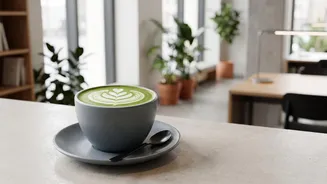
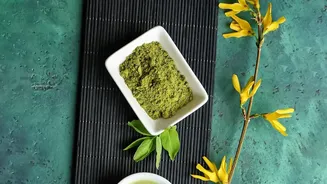
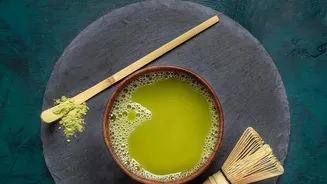
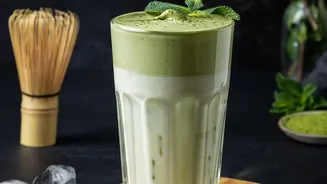
Perhaps no ingredient better represents this shift than matcha. The finely ground Japanese green tea powder has rapidly moved from a niche wellness product to a mainstream café staple across India. Initially introduced in premium wellness circles, its appeal quickly broadened, driven by its vibrant colour, perceived health benefits, and calm energy boost that provides an alternative to coffee. Cafés in Mumbai, Delhi, and Bengaluru were quick to adopt it, but they didn't just replicate the traditional Japanese preparation. Instead, they made it their own, creating accessible and appealing fusion drinks like mango matcha, strawberry matcha, and yuzu matcha tonics that cater to the Indian preference for familiar, fruity notes alongside new flavours. The visual appeal of a layered iced matcha latte has also made it a social media star, further accelerating its popularity among younger, urban consumers.
Reimagining Regional Classics
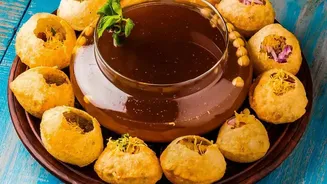
While global ingredients are finding a new home in India, a parallel movement is seeing Indian chefs look inward, taking inspiration from the country’s vast repository of traditional desserts. They are deconstructing classic mithai and giving them a contemporary, café-friendly makeover. For instance, Mumbai's The Bombay Canteen offers a 'Gulab Nut'—a gulab jamun soaked in Old Monk rum—while Farzi Café serves a Ras Malai Tres Leches, blending a North Indian classic with a Latin American sponge cake. This trend is spreading, with bakeries and dessert bars offering everything from paan-flavoured macarons to jalebi-infused cheesecakes and thandai-spiced baklava. These creations are not just gimmicks; they are thoughtful reinterpretations that preserve the soul of the original sweet while presenting it in a format that appeals to a new generation of diners.
What’s Driving This Fusion?
Several factors are fuelling this culinary creativity. Firstly, the Indian consumer, particularly urban millennials and Gen Z, is more globally exposed than ever before. They travel more, consume international media, and are eager to try new things. Secondly, social media has turned food into a visual medium. A beautifully crafted dessert or a brightly coloured drink is not just a treat but also content, driving organic marketing for cafés. Finally, there is a growing sense of pride in local culinary traditions, coupled with a desire to see them evolve. Chefs are no longer content with just replicating Western pastry techniques; they are using those skills to elevate and celebrate the flavours they grew up with. This fusion allows them to offer novelty without sacrificing the nostalgic comfort that is so central to Indian food culture.
A Taste of Modern India
This blending of cultures on a plate is more than just a passing food trend; it is a reflection of modern India's identity. It speaks to a nation that is confidently global in its outlook yet deeply connected to its roots. The café menu has become a canvas for showcasing an identity that is fluid, creative, and unapologetically diverse. This movement is not about replacing traditional dishes but about expanding the culinary vocabulary. It acknowledges that a person can crave the familiar comfort of a masala chai one moment and the exotic notes of a matcha latte the next. It’s a delicious dialogue between the past and the present, served one cup and one dessert at a time.