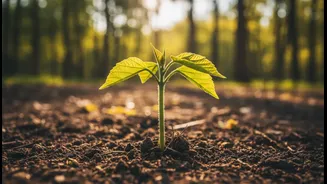









A Festival of Greenery and Growth
Harela, celebrated primarily in the Kumaon region of Uttarakhand, is a festival deeply tied to the rhythms of agriculture and nature. It marks the beginning of the Shravan month in the Hindu calendar, heralding the arrival of the monsoon—a lifeline for
a state dependent on farming. The name itself means ‘greenery’, and its core ritual involves sowing seeds of various grains ten days before the festival. The health of these sprouted shoots is seen as an omen for the coming harvest. Traditionally, Harela is also a celebration of the divine union of Lord Shiva and Goddess Parvati, linking it to themes of fertility and ecological balance. In recent years, this ancient reverence for nature has found a powerful new expression: mass tree plantation.
The Green Mission: A Statewide Movement
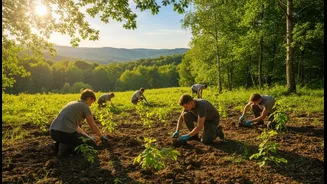
What was once a household or village tradition of planting a few saplings has transformed into one of Uttarakhand's largest environmental campaigns. Since 2015, the state government, in collaboration with the Forest Department, schools, NGOs, and citizens, has organized an annual sapling drive during the festival period. This year, the month-long campaign begins on July 16, with ambitious targets set across various districts; Almora, for instance, aims to plant 75,000 saplings, while Bageshwar targets 60,000. The drive isn't just a symbolic gesture; it's a structured effort with departments assigned targets, plantation sites identified, and a mobile app used for real-time monitoring. The initiative leverages the cultural significance of Harela to foster a sense of collective responsibility for the environment.
Planted vs. Established: The Critical Difference
Herein lies the central challenge. The success of an afforestation campaign is not measured by the number of saplings planted, but by the number that become ‘established’—that is, surviving the critical first few years to grow into mature trees. Planting is the act of a day; establishment is a commitment of years. Many large-scale plantation drives globally falter at this stage due to neglect after the initial event. Saplings are vulnerable to a host of threats, including lack of water, grazing by animals, pests, and competition from weeds. Simply putting a sapling in the ground is no guarantee it will become a forest. The true measure of success is the survival rate, which requires consistent monitoring and care.
Uttarakhand’s Unique Himalayan Challenges
In the fragile Himalayan ecosystem of Uttarakhand, the path from sapling to tree is particularly perilous. The mountainous terrain is prone to soil erosion and landslides, which can sweep away young plantations. The state faces deforestation pressures from urbanization and infrastructure development, which fragment habitats. Furthermore, selecting the right species is crucial. Planting non-native species can harm local biodiversity and disrupt the ecosystem, a concern highlighted in studies of Himalayan restoration projects. Officials in Uttarakhand are increasingly aware of these issues, stressing the need to plant native and fruit-bearing species suited to local conditions and to focus on post-plantation care to boost survival rates.
Bridging the Gap Towards a Thriving Forest
Ensuring a sapling survives to become an established tree requires a strategic, long-term approach. The key lies in moving from a model of planting to one of stewardship. This involves several critical steps that are gaining traction. Community involvement is paramount; engaging local people, self-help groups, and youth organisations creates a sense of ownership and provides the manpower for 'social fencing'—community-led protection of plantation sites. Scientifically sound practices, such as selecting a diverse mix of native species and undertaking proper soil and moisture conservation work like building check dams and trenches, have been shown to significantly improve resilience and survival. In fact, recent monitoring of some government-led afforestation programs in Uttarakhand has shown impressive survival rates of around 90% where these intensive measures were taken.