

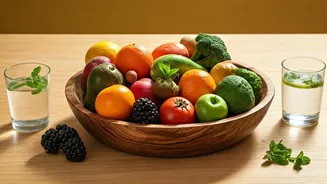



The 'Monsoon' Mindset for Any Humid Climate
While the term “monsoon” might bring to mind the heavy rains of South Asia, the dietary principles associated with it can apply to any period of intense heat, humidity, and dampness—think of a sweltering summer in Florida, Louisiana, or anywhere the air
feels thick and heavy. Ayurvedic tradition, an ancient wellness system from India, suggests that during these times, our digestive fire (or *agni*) is naturally weaker. The goal becomes supporting digestion, not overwhelming it. The logic is that the body is already working hard to cope with the external environment; bombarding it with hard-to-digest foods can lead to bloating, sluggishness, and stomach upset. This is where a more mindful approach to fruit selection comes in.
Watermelon and Other High-Water Melons
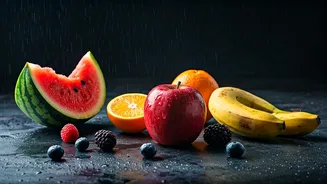
This might be the most counterintuitive entry. On a hot day, what’s better than a cold slice of watermelon? While hydrating, fruits with extremely high water content, like watermelon and cantaloupe, are traditionally viewed with caution during peak humidity. The reasoning in Ayurveda is that they can lead to water retention and bloating, making you feel puffier. Furthermore, some practitioners believe that their cooling nature can dampen the already-weak digestive fire, making it harder to process meals consumed afterward. While one slice is unlikely to cause trouble, consuming large amounts might leave you feeling less than optimal if you're sensitive.
Berries and Other Delicate Fruits
Strawberries, raspberries, and other delicate, porous fruits are nutritional powerhouses. However, their delicate nature is also their vulnerability in humid weather. They absorb moisture from the air, making them spoil, soften, and grow mold much faster. From a food safety perspective, this is the biggest concern. In environments where humidity is high, the risk of consuming fruit that has started to turn, even if it's not visible to the naked eye, increases. If you do buy berries, inspect them carefully, store them in a moisture-controlled environment in your fridge, and eat them quickly.
Pre-Cut Fruits from Vendors
This is less about the fruit itself and more about how it’s prepared and handled. Any fruit that’s been cut and exposed to the air for long periods presents a risk, but that risk is magnified by heat and humidity, which are perfect breeding grounds for bacteria. Water contamination is a primary concern during heavy rainy seasons in many parts of the world, and that water can be used to wash fruits sold by street vendors or at open-air markets. Opting for whole fruits that you can wash and cut yourself at home is a much safer bet. The peel is nature’s best packaging, protecting the flesh inside from environmental contaminants.
So, What Fruits Should You Eat?
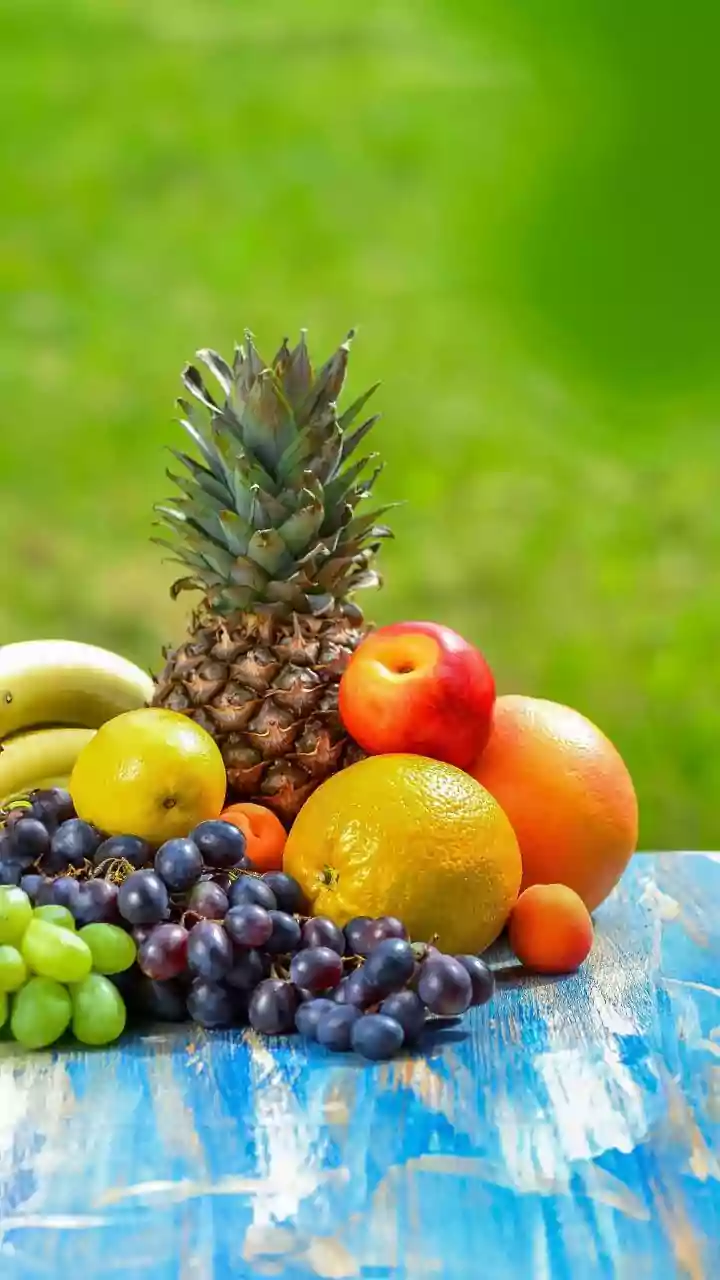
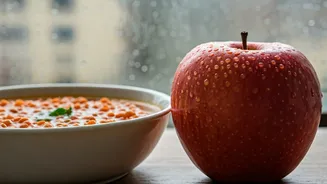
This isn't about avoiding fruit entirely—it’s about choosing wisely. Fruits that are recommended during humid seasons are typically those with a more balanced nature. Think apples, pears, and pomegranates. These are fibrous, cleansing, and not excessively watery. Bananas, in moderation, are also considered good for providing energy. Seasonal fruits like cherries and peaches are also excellent choices. Their peak season often coincides with summer, and they are believed to be more easily digested. The golden rule is to favor local, seasonal produce that hasn’t traveled far and is consumed fresh.