

Why Visibility is Your Secret Weapon
The principle is simple: what you see, you use. A cluttered pantry where bags of dal, spices, and flours are hidden from view is a recipe for waste. You are more likely to forget what you own and buy duplicates. Research has shown that a tidy, organized
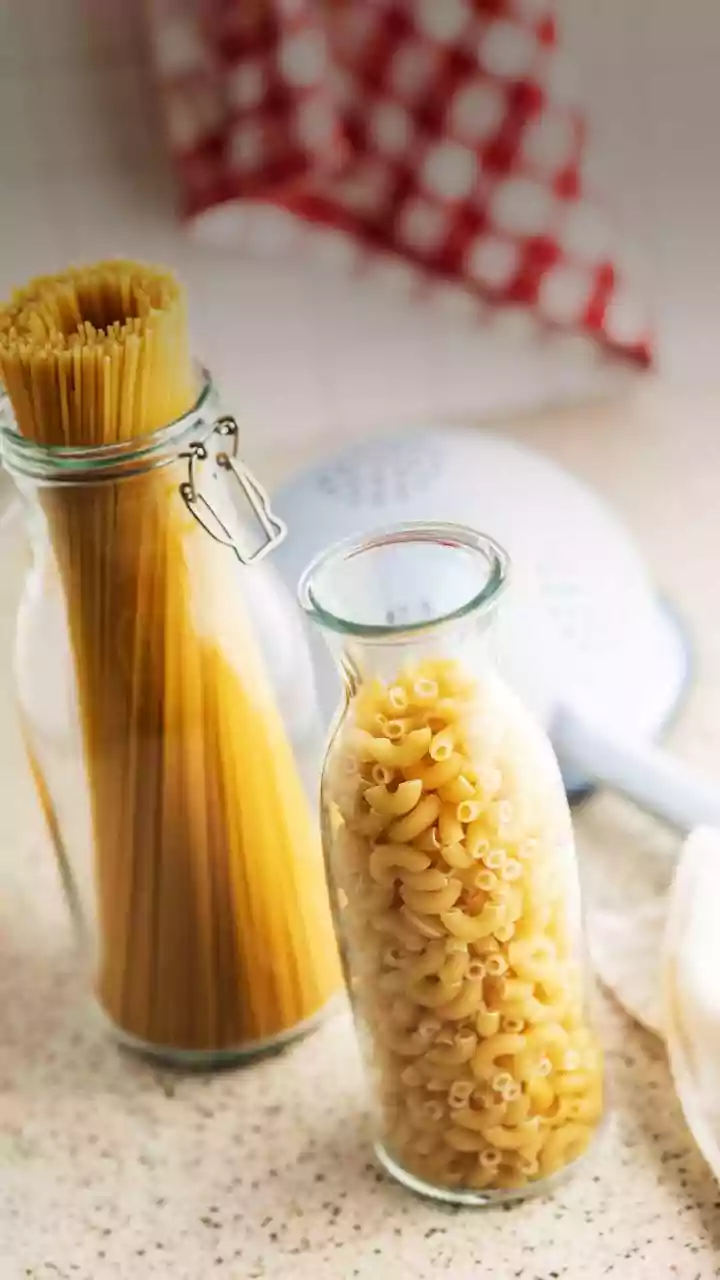
environment reduces stress and mental clutter, making tasks like cooking feel less overwhelming. When your essential ingredients are clearly visible in transparent containers, you have a constant visual inventory. This clarity doesn't just make you feel more in control; it fundamentally changes your cooking habits by reducing decision fatigue and prompting you to use what you already have. An organized kitchen supports healthier choices and makes meal preparation a more enjoyable, streamlined process.
Step One: A Ruthless Pantry Audit
Before you can plan, you need to know your starting point. Begin by emptying your pantry shelves completely. Group similar items together—all your dals, all your spices, all your grains. This is the time to check for expired goods and get honest about ingredients you bought for a single recipe and never used again. The goal is to create a curated collection of staples you genuinely use. Invest in clear, airtight containers. Decanting items like rice, lentils, sugar, and flour into these not only keeps them fresh but makes quantities immediately obvious. Label everything clearly. This small effort saves you precious time during meal prep when you need to grab ingredients quickly.
Step Two: The Art of Ingredient Overlap
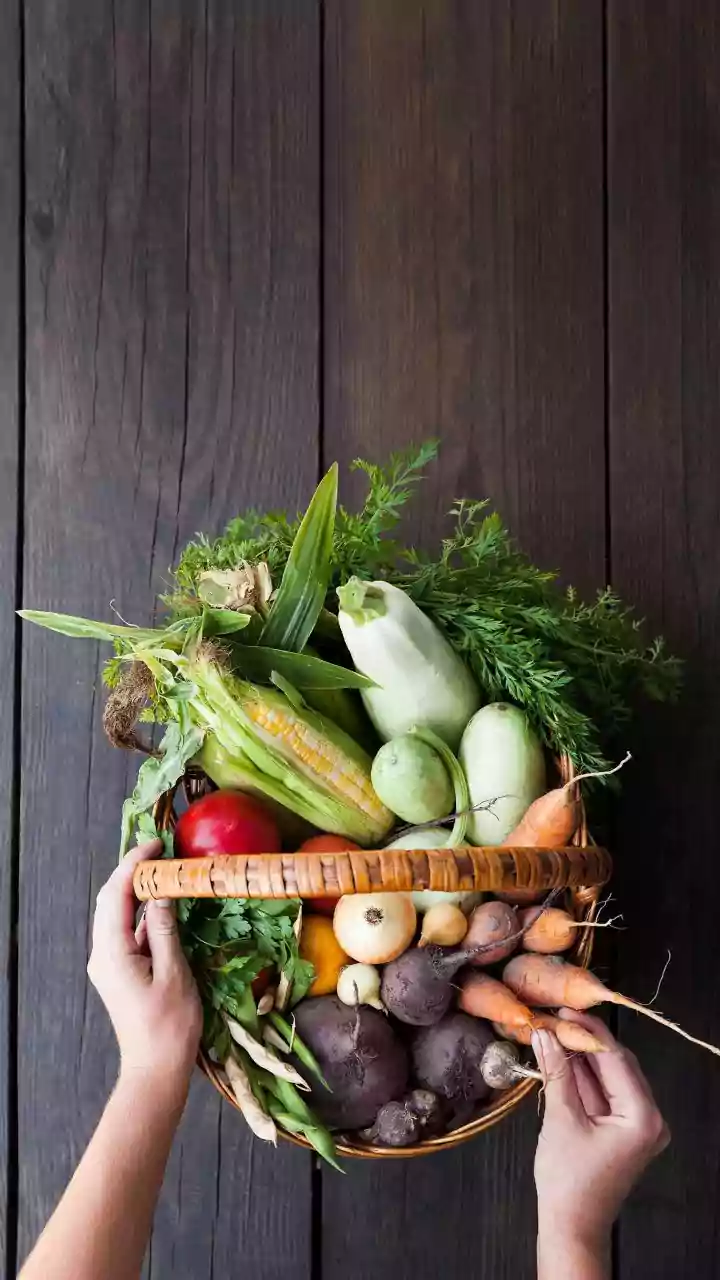
Once your pantry is in order, you can shift from recipe-first to ingredient-first thinking. This is the core of ingredient overlap. Instead of planning five completely different meals with five unique shopping lists, you choose a few core ingredients and plan multiple dishes around them. For example, a large batch of boiled potatoes can be used for a simple aloo jeera fry one night, become the filling for aloo parathas the next morning, and be mixed with other vegetables for tikkis or cutlets later in the week. A whole chicken can be roasted for one meal, with the leftover meat used in sandwiches or a fried rice dish, and the carcass boiled to make a flavourful stock for soup. This approach drastically cuts down on food waste and shrinks your grocery list.
Putting It All Together: A Weekly Plan
Here is how the two concepts work in tandem. On a Sunday, glance at your visible staples. You see you have plenty of chickpeas, tomatoes, and onions. You decide to make a large batch of chana masala. That’s one dinner sorted. You also plan to use the tomatoes and onions as the base for a dal makhani and a vegetable curry later in the week. By planning around these shared base ingredients, your shopping list becomes shorter and more focused. You only need to buy the fresh vegetables and perhaps some paneer. This strategic planning ensures that perishable items are used promptly and that you are constantly rotating through your pantry stock, keeping everything fresh. This method transforms meal planning from a complex puzzle into a simple, intuitive process.
Beyond Savings: The Unexpected Benefits
While saving money and reducing waste are the primary draws, this system offers more. It fosters creativity in the kitchen. When you focus on a core set of ingredients, you start to see new ways to combine them. You become a more intuitive cook, less reliant on rigid recipes and more confident in your ability to create delicious meals from what you have on hand. It also saves an immense amount of time and mental energy on busy weeknights. Knowing you have the components for several meals ready to go eliminates last-minute panic and the temptation to order expensive takeaway. Your kitchen becomes a space of calm efficiency rather than chaos.