





More Than Just a Single Green
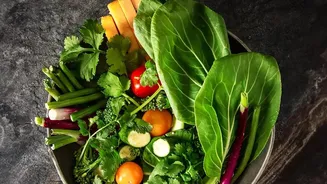
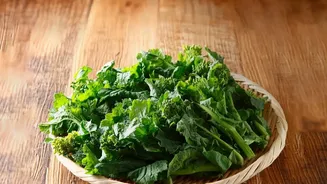
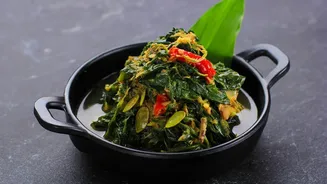
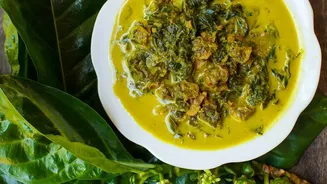
First, let's clarify what 'saag' is. The term doesn't refer to a single vegetable but rather a category of dishes made from various leafy greens. While 'sarson ka saag', made from mustard greens, is the most famous variant, saag can also be prepared with
spinach (palak), fenugreek (methi), bathua (chenopodium), or a mix of several greens. This blend is slow-cooked with spices like ginger and garlic, resulting in a rich, flavourful, and creamy puree that's a cornerstone of Punjabi cuisine and enjoyed across the country. Traditionally paired with 'makki di roti' (a flatbread made from maize flour), this combination creates a balanced and wholesome meal.
The Science of Wilting
The most dramatic change when cooking greens is the texture. A large bunch of raw, crisp leaves reduces to a fraction of its volume. This happens because leafy greens are mostly water, held within a rigid structure of plant cell walls made of cellulose and pectin. When you apply heat, these cell walls begin to break down. The trapped water is released, causing the leaves to wilt and become tender. As cooking continues, the structure further collapses, allowing the greens to be mashed or blended into the smooth, paste-like consistency characteristic of saag. The heat also helps break down tough fibres, making the final dish much easier to digest than its raw counterparts.
A Nutritional Powerhouse
Leafy greens are celebrated for their incredible nutrient density. A bowl of saag is packed with vitamins A, C, and K, which are crucial for immune function, eye health, and bone health. It's also a fantastic source of minerals like iron and calcium, essential for preventing anemia and maintaining strong bones. Furthermore, these greens are loaded with dietary fibre, which promotes digestive health and helps you feel full longer, making it a great choice for weight management. The antioxidants found in abundance, such as beta-carotene and flavonoids, help the body combat oxidative stress and inflammation.
Cooked vs. Raw: The Nutrient Question
A common concern is whether cooking diminishes the nutritional value of vegetables. It's a tradeoff. Some heat-sensitive, water-soluble vitamins, like vitamin C, can be reduced during the cooking process. Spinach, for example, can lose a significant amount of its vitamin C when boiled. However, cooking offers a significant advantage: it increases the bioavailability of other key nutrients. Heat breaks down compounds like oxalic acid, which are found in high amounts in raw spinach and can hinder the body's absorption of iron and calcium. By cooking the greens, you reduce these 'anti-nutrients', allowing your body to absorb more of the available minerals. Cooking also makes important antioxidants like beta-carotene more accessible to the body.
Integrating Saag Into a Modern Diet
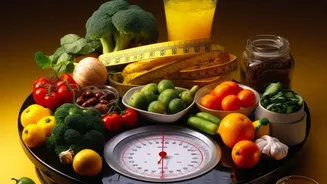
Saag is a wonderfully versatile and healthy dish that fits perfectly into a modern, balanced diet. While traditional preparations can be heavy on ghee or butter, you can easily control the amount of fat used when making it at home. Preparing it with minimal oil and pairing it with whole-grain rotis or brown rice enhances its nutritional profile. Because it's low in calories and carbohydrates but high in fibre and nutrients, saag is an excellent choice for those managing their weight or blood sugar levels. It provides sustained energy and a host of protective compounds that support everything from heart health to immunity.