





What is Ambali?
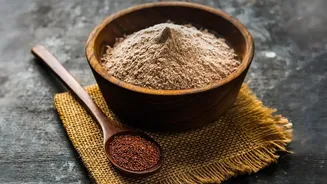
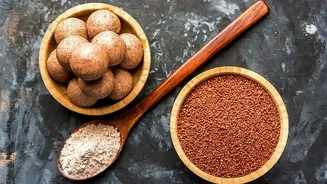
Ambali is a traditional beverage from Southern India, particularly popular in states like Karnataka, Andhra Pradesh, and Tamil Nadu. At its core, it’s a savoury porridge made from finger millet, known as ragi. The process is simple yet transformative:
ragi flour is cooked into a paste, allowed to cool, and then left to ferment overnight, often in an earthen pot. Before serving, this fermented base is thinned with water or buttermilk and seasoned with salt, and sometimes garnished with chopped raw onions, green chillies, and curry leaves for a refreshing kick. The result is a thin, slightly tangy, and earthy-tasting drink prized for its ability to cool the body, making it a staple during hot summer months.
The Science of a Traditional Probiotic
The magic of Ambali lies in its fermentation. This ancient preservation technique does more than just add a tangy flavour; it turns the simple millet porridge into a potent probiotic drink. The overnight fermentation process encourages the growth of naturally occurring lactic acid bacteria, the same kind of beneficial microbes found in yoghurt and other popular fermented foods. These probiotics are essential for maintaining a healthy gut microbiome, which in turn supports digestion, boosts immunity, and improves the body's ability to absorb nutrients. In fact, the fermentation process breaks down certain anti-nutrients like phytic acid found in millets, making minerals like iron and calcium more bioavailable.
More Than Just Gut Health
While its probiotic qualities are impressive, the benefits of Ambali don’t stop there. The main ingredient, ragi, is a nutritional powerhouse in its own right. It is one of the richest plant-based sources of calcium, crucial for strong bones and preventing osteoporosis. Finger millet is also naturally gluten-free, making Ambali an excellent option for those with gluten intolerance or celiac disease. Furthermore, it is packed with dietary fibre, which helps promote a feeling of fullness, aiding in weight management, and has a low glycemic index, which is beneficial for regulating blood sugar levels. Its high water content also makes it an excellent hydrating beverage to combat the summer heat.
A Modern Wellness Revival
In a world saturated with exotic superfoods and expensive supplements, many urban wellness enthusiasts are now looking inward, rediscovering the time-tested wisdom of traditional Indian foods. Ambali, once seen as a rustic, village drink, is finding a new audience among city dwellers seeking authentic and natural health solutions. This revival is part of a larger 'back to roots' movement, where the simple, functional foods of our grandparents are being appreciated through the modern lens of nutritional science. Nutritionists and food bloggers are hailing Ambali as India's own answer to kombucha, a homegrown probiotic that is both affordable and perfectly suited to the local climate. It's a trend that champions local ingredients and sustainable practices, proving that sometimes the most powerful wellness solutions are the ones that have been in our kitchens all along.