

The Daily Battle Against Congestion
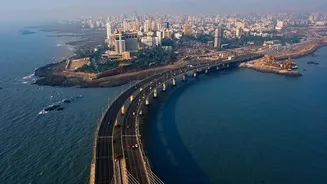
In major Indian cities, traffic isn't just an inconvenience; it's a fundamental challenge to daily life. Commuters in cities like Bengaluru, Kolkata, and Mumbai lose hundreds of hours each year stuck in traffic. Studies show that average travel times
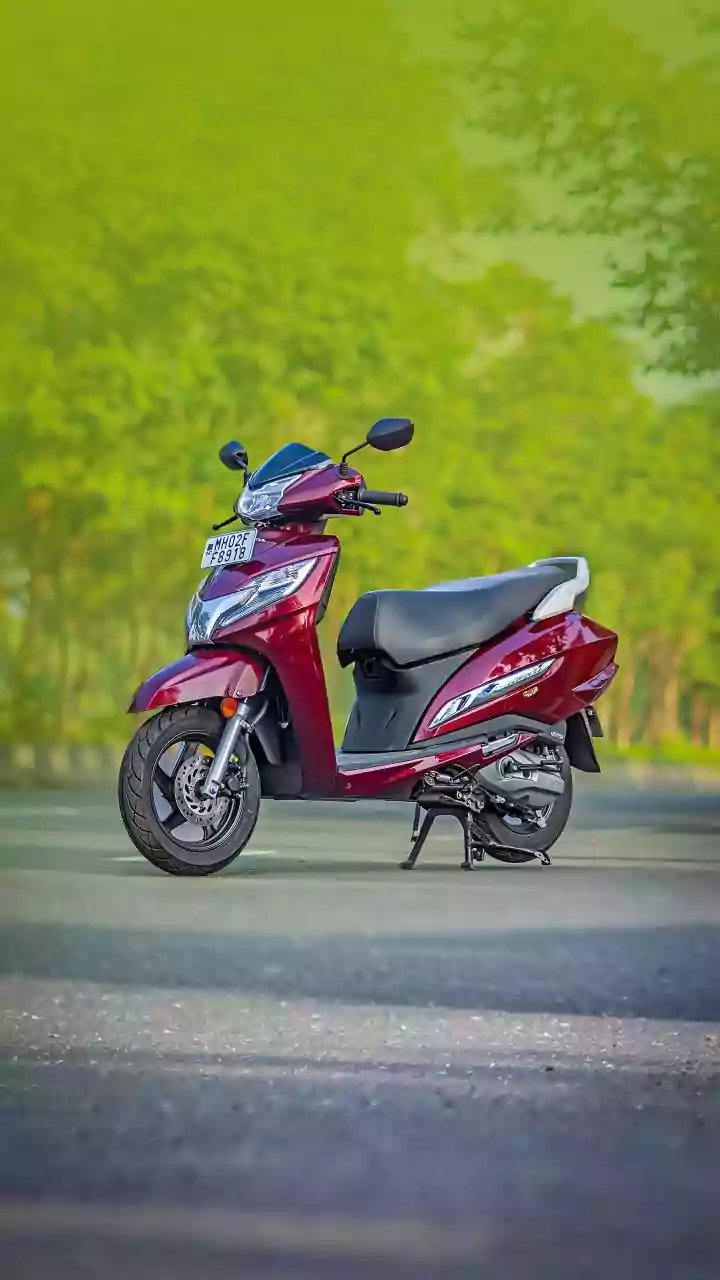
are ballooning, with a 10-kilometre trip in Kolkata taking over 30 minutes. This gridlock makes owning a car a frustrating and time-consuming affair. Two-wheelers, with their agility and small footprint, offer a practical escape. They can navigate narrow gaps, filter through stationary traffic, and significantly cut down commute times, making them an indispensable tool for urban survival rather than a simple mode of transport.
Solving the Stubborn Last-Mile Problem
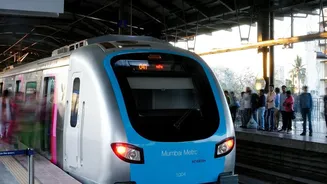
India has invested heavily in public transport, with metro networks expanding across numerous cities. Yet, a persistent issue remains: the last-mile gap. Getting from a metro station or bus stop to one's home or office can be a journey in itself. Public feeder services are often unreliable or overcrowded, and ride-hailing options can be expensive. A personal two-wheeler provides the perfect, on-demand solution. It offers door-to-door connectivity that public transport alone cannot match, giving commuters control over their entire journey and saving them from unpredictable waits and multiple transfers.
An Unbeatable Economic Equation
For the vast majority of Indians, the total cost of ownership is a critical factor in any major purchase. Here, two-wheelers have no real competition. The initial purchase price is a fraction of a car's, and the running costs—including fuel, maintenance, and insurance—are significantly lower. With petrol prices remaining a concern, the superior fuel efficiency of motorcycles and scooters offers tangible daily savings. This affordability opens up personal mobility to a much wider segment of the population, providing economic opportunities and independence that would otherwise be out of reach. It’s a choice driven by straightforward financial prudence.
The Electric Wave Reinforces Dominance
The transition to electric vehicles (EVs) is not threatening the two-wheeler's reign; it's solidifying it. The electric scooter and motorcycle market is booming, with sales growing dramatically year after year. E-scooters bring the running cost per kilometre down to a fraction of their petrol counterparts, making them even more economical. With government subsidies, zero tailpipe emissions, and silent operation, electric two-wheelers address concerns about pollution and rising fuel costs while retaining all the agility and convenience that made their petrol-powered predecessors so popular. This evolution ensures the two-wheeler format remains perfectly adapted to the future of Indian cities.