





An Invitation to Go Slow
The first rains don’t just wash the dust from the streets; they seem to wash away the hurry from our souls. In a world that often prizes speed and convenience, the monsoon is nature’s own mandate to slow down, reflect, and seek comfort. This cultural
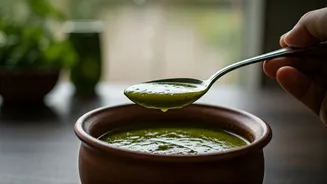
shift is deeply connected to our food. While a quick, fiery stir-fry might feel right in the peak of summer, the grey skies and steady drumming of rain call for meals that are simmered, stewed, and lovingly tended to over hours. Slow cooking during the monsoon isn't just a culinary choice; it's a philosophical one. It is a rebellion against the instant and an embrace of the process. It's about finding joy not just in the final dish, but in the journey of creating it—the gentle chopping of vegetables, the fragrant blooming of spices in warm oil, and the patient wait as flavours meld and deepen.
The Ancient Wisdom of Monsoon Eating
This instinct to slow down is backed by centuries of traditional wisdom, particularly from Ayurveda. The monsoon season, or 'Varsha Ritu', is a time when our digestive fire ('agni') is considered naturally weaker. [8] Heavy, oily, and hard-to-digest foods can tax the system, leading to sluggishness and susceptibility to illness. [2] Ayurvedic principles advocate for warm, light, and freshly cooked meals that are easy on the stomach. [3] This is where slow cooking shines. Techniques like braising, stewing, and simmering break down foods into more easily digestible forms. Warm soups, hearty dals, and broths are not just comforting; they are precisely what the body needs to stay balanced and bolster immunity during this time. [2, 6] Spices like ginger, turmeric, and black pepper, known for their anti-inflammatory and digestive properties, become key players, adding warmth and healing power to every pot. [6, 7]
Dishes That Simmer and Soothe
Almost any Indian dish, from dals to complex curries, can be adapted for a slow cooker or a patient pot on the stove. [17] Think of a rich and velvety Dal Makhani, simmering for hours until the lentils and beans melt into a creamy whole. Or a fiery Pork Vindaloo, where the long cooking time tenderizes the meat and allows the complex spices to penetrate deeply. [19] Even a simple Khichdi, often seen as quick comfort food, transforms into something sublime when cooked slowly, allowing the rice and lentils to fully absorb the flavours of ghee and spices. [3] The monsoon is also a time for specific seasonal foods celebrated in festivals and rituals. [12] In Maharashtra, for instance, a special vegetable stew called Rushi chi Bhaji celebrates foraged monsoon greens. [12] In Kerala, the month of Karkidakam is dedicated to nourishing and immunity-boosting meals, often featuring a medicinal porridge called Karkidaka Kanji. [5] These traditions highlight a deep, symbiotic relationship between the season and the food on our plates. [10]
A Ritual of Mindfulness
Ultimately, adopting a slower pace in the kitchen is about more than just food; it's a form of active meditation. [11] The act of cooking mindfully—focusing on the sounds, smells, and textures—can be a powerful stress reliever. [15] It grounds us in the present moment, a welcome antidote to our often-frazzled lives. [14] Spending time with your ingredients, watching them transform, fosters a deeper connection to where your food comes from and a greater appreciation for the meal itself. [11, 16] It turns the chore of making dinner into a restorative ritual. The rhythmic sound of a knife on a cutting board or the gentle bubble of a simmering pot can become a soothing mantra. [11] This mindful approach naturally extends to the way we eat, encouraging us to savour each bite rather than rushing through our meals.