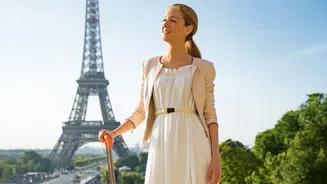



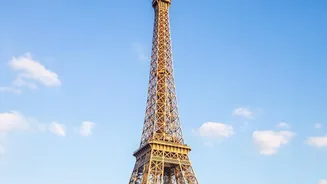

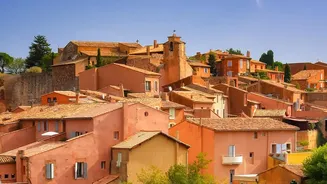
France is the stuff of travel dreams, a country romanticised in films and novels. But for some visitors, the gap between the idyllic image and the on-the-ground reality can lead to disappointment, a phenomenon sometimes called 'Paris Syndrome'.
Paris: The Reality of Romance
The dream
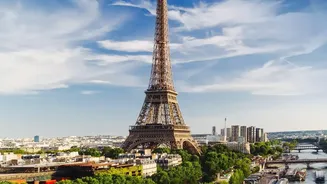
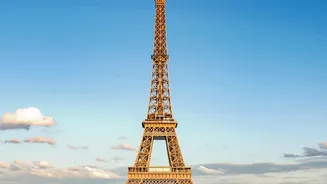
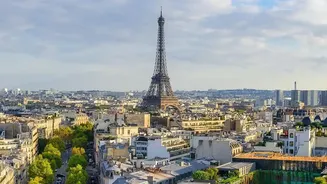
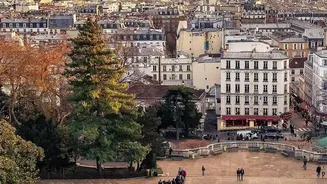
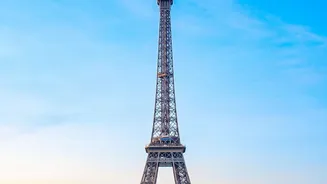
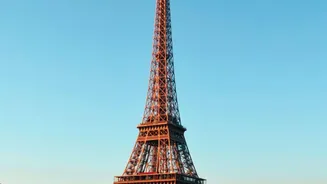
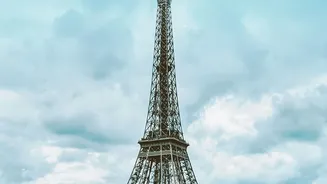
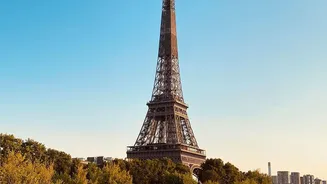
of Paris is a powerful one: strolls along the Seine, picnics under the Eiffel Tower, and finding the perfect croissant at a quaint bakery. The reality, however, can be a different story. Major attractions are often swamped with tourists, leading to long queues and crowded, chaotic experiences. Seeing the Mona Lisa, for example, often involves peering over a sea of smartphones. The city's famous boulevards can feel less like a romantic film set and more like any other bustling, expensive, and occasionally dirty major metropolis. Many common complaints revolve around this dissonance: the shock that Paris is a real, lived-in city with traffic, litter, and scammers, not just a postcard. The so-called 'Paris Syndrome', first identified in the 1980s, describes the profound sense of disappointment some tourists feel when their idealised vision clashes with the modern urban reality.
Mont Saint-Michel: A Fairytale Lost in the Crowd
From a distance, Mont Saint-Michel is a breathtaking, fairytale-like island abbey rising from the sea. It’s one of France's most recognisable landmarks for a reason. Up close, however, the experience can change dramatically, especially during peak season. The single, narrow main street becomes intensely crowded, with visitors packed tightly as they navigate a gauntlet of souvenir shops and tourist-focused restaurants. This intense commercialisation and over-tourism can strip away the historic and spiritual charm, making it feel more like an amusement park than a medieval pilgrimage site. With an estimated three million visitors a year, and tens of thousands arriving on single peak days, the sense of peace and wonder is often lost in the shuffle. Travel experts suggest visiting in the off-season or staying overnight to experience the village after the day-trippers have departed.
The French Riviera: Glamour at a Price
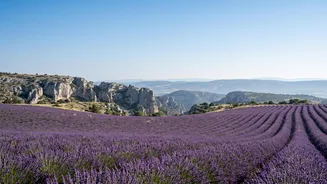
The Côte d'Azur—home to Nice, Cannes, and Saint_Tropez—conjures images of sun_drenched glamour, azure waters, and a life of effortless luxury. While the region is undeniably beautiful, with stunning views and charming old towns, the popular image often omits the downsides. The famous beaches in cities like Nice are often pebbly, not sandy, and can be extremely crowded in the summer. The glitzy reputation comes with high prices for everything from a spot on a private beach to a simple meal, and many popular areas are dominated by tourist traps. Cities like Cannes can feel underwhelming outside of the famous film festival, primarily serving as hubs for luxury shopping. While the light and landscape that inspired artists like Matisse and Picasso are still there, finding an authentic and peaceful experience requires venturing beyond the most famous promenades and embracing the region's quieter hilltop villages or visiting during the less_crowded shoulder seasons.
Versailles: A Palace Overwhelmed
The Palace of Versailles is a symbol of absolute monarchy and opulent grandeur. The Hall of Mirrors and vast, manicured gardens are legendary. But visiting this immensely popular attraction can be a test of endurance. Even with pre_booked tickets, visitors often face long queues just to enter. Inside, the experience is frequently described as suffocating, with immense crowds shuffling through the palace's gilded rooms, making it difficult to appreciate the art and architecture. The sheer scale of the estate is also overwhelming for many. While beautiful, the palace is often cited as expensive and overrun, with pricey food and souvenir options in the surrounding area. Some travellers suggest that other, less famous châteaux throughout France offer a more manageable and equally beautiful experience without the intense crowds.