






Step 1: Choose Your Ride and Set Your Goal
Before you can save, you need a target. Start by researching the bike you want to buy. Look beyond the ex-showroom price and find the on-road price, which includes taxes, registration, and insurance. This is the true cost you need to plan for. Down payments
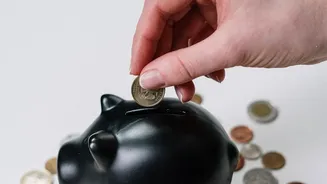
in India typically range from 10% to 30% of the on-road price. A higher down payment is always better as it reduces your future Equated Monthly Instalments (EMIs) and the total interest you pay on your loan. For a bike with an on-road price of ₹1,00,000, a 20% down payment would be ₹20,000. This is your savings goal. Having a specific bike and a clear number in mind makes the saving process tangible and keeps you motivated.
Step 2: Embrace the Power of Recurring Deposits
A Recurring Deposit (RD) is a special term deposit offered by banks in India. It's the perfect tool for this mission. Unlike a regular savings account, an RD commits you to depositing a fixed amount of money every month for a set period. This instills financial discipline. RDs also typically offer higher interest rates than standard savings accounts, allowing your money to grow faster. They are considered a safe investment with guaranteed returns, ideal for short-term goals like saving for a down payment. Think of it as an automated savings plan that puts your goal on autopilot.
Step 3: Do the Simple Math
Now, let’s connect your goal to your monthly action plan. The calculation is straightforward: divide your total down payment goal by the number of months you have. To save ₹20,000 in 12 months, you need to deposit approximately ₹1,667 each month. To make it a round number and build a small buffer, let's aim for ₹1,700 per month. This is the amount you will set for your monthly RD instalment. It’s a manageable figure that, when saved consistently, adds up to your target. You can use an online RD calculator provided by most banks to see exactly how much you'll have at the end of the tenure, including the interest earned.
Step 4: Set Up Your Automated Savings
Opening an RD account is simple. If you already have a savings account, you can likely set up an RD in minutes through your bank's mobile app or internet banking portal. During the setup, you will specify the monthly instalment amount (e.g., ₹1,700), the tenure (12 months), and the savings account from which the money should be automatically debited each month. This 'auto-debit' feature is the most critical part; it ensures you pay your savings first without having to think about it. If you prefer, you can also visit your nearest bank branch to fill out a form and set up the account in person.
Step 5: Stay Motivated and on Track
A year can feel like a long time, so it's important to stay focused. Keep a picture of your dream bike on your phone or desk as a visual reminder of what you're working towards. Use your banking app to track the growing balance in your RD account; seeing the numbers climb is a powerful motivator. If you get a bonus or some extra cash, consider making a separate fixed deposit to supplement your savings. While some RDs have penalties for missed payments, many modern bank offerings are more flexible. However, the key to this plan is consistency. Treat your monthly RD payment as a non-negotiable bill.
Step 6: Prepare for Ownership
As you near the end of your 12-month saving period, start preparing for the next steps. Research two-wheeler loan options and check your eligibility. Remember that owning a bike involves recurring costs beyond the loan EMI, such as fuel, insurance renewals, and regular maintenance, which can amount to ₹1,500 to ₹3,000 per month depending on the model and usage. Factoring these into your monthly budget ensures that your new bike is a joy to own, not a financial burden. When your RD matures, you will have the full down payment ready to go, empowering you to walk into the showroom with confidence.