


A Backlash Against Burnout Travel
The modern travel paradox is that we often return from a holiday more exhausted than when we left. A rebellion against this 'checklist tourism' is underway. Travellers are growing weary of the frantic rush, the early morning airport security lines, and
the general stress of flying. In contrast, train travel offers a built-in opportunity to unwind. The pace is unhurried, the seating is more spacious, and the focus shifts from merely getting there to mindfully being present. This deliberate shift towards a lower-stress, more relaxing mode of transport is a direct response to the burnout culture that has defined travel for decades. It's less about a race to the destination and more about reclaiming the journey as part of the vacation itself.
The Window Seat Is the Best Seat
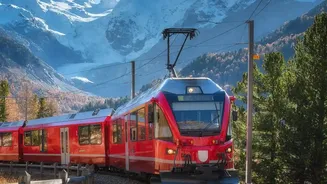
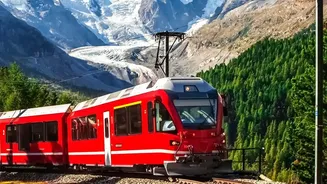
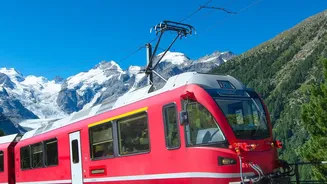
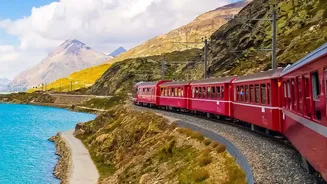
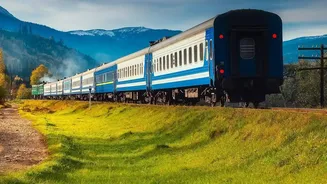
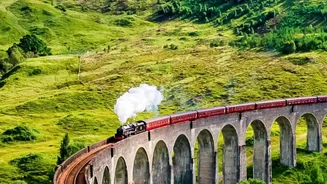
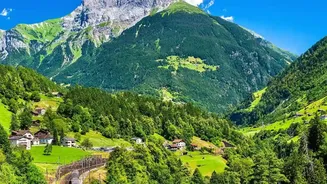
Unlike air travel, which offers a view of clouds from 30,000 feet, train journeys provide a constantly evolving tapestry of landscapes. The journey becomes an immersive experience, connecting passengers to the country in a way that’s simply not possible on a plane. In India, this is especially true, with iconic routes offering breathtaking views. The Kalka-Shimla Railway, a UNESCO World Heritage site, winds through pine forests and misty valleys. The Konkan Railway journey from Mumbai to Goa presents a stunning contrast of sea on one side and lush greenery on the other. Further south, the Nilgiri Mountain Railway climbs slowly into the Blue Mountains, offering quiet, personal moments as the scenery unfolds at a walking pace. This connection to the land is a core part of the appeal; it’s about watching the world go by, not just flying over it.
A More Sustainable Way to Explore
As travellers become more conscious of their carbon footprint, the environmental benefits of rail travel are a significant draw. Compared to flying or driving, trains are a highly energy-efficient mode of transport, producing significantly fewer greenhouse gas emissions per passenger. This concept of 'flight shame' has encouraged many to seek greener alternatives. By choosing trains, travellers not only reduce their environmental impact but also often support local economies more directly. Rail networks connect major cities to smaller towns and regional hubs that are often bypassed by airports, helping to distribute tourism revenue to communities that might otherwise be overlooked.
The Return of Luxury and Comfort
The romance of rail is also being driven by a new age of comfort and luxury. Modern trains are a far cry from the basic carriages of the past, now offering amenities like spacious seating, Wi-Fi, and panoramic observation cars. India, for example, boasts several world-renowned luxury trains that elevate the journey to a five-star experience. The Maharajas' Express and the Golden Chariot offer opulent cabins, gourmet dining, and curated excursions through royal Rajasthan and the splendours of South India. These journeys revive the golden age of travel, focusing on elegance, impeccable service, and the idea that the journey is a destination in itself.