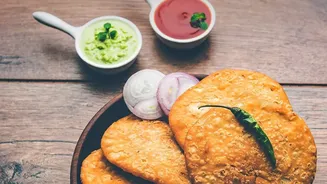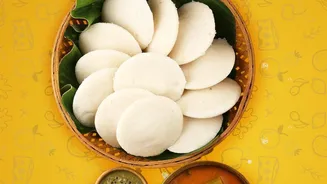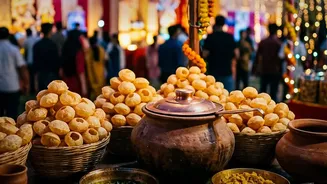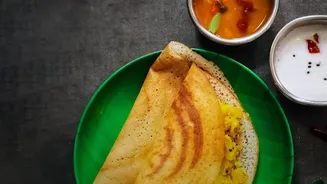

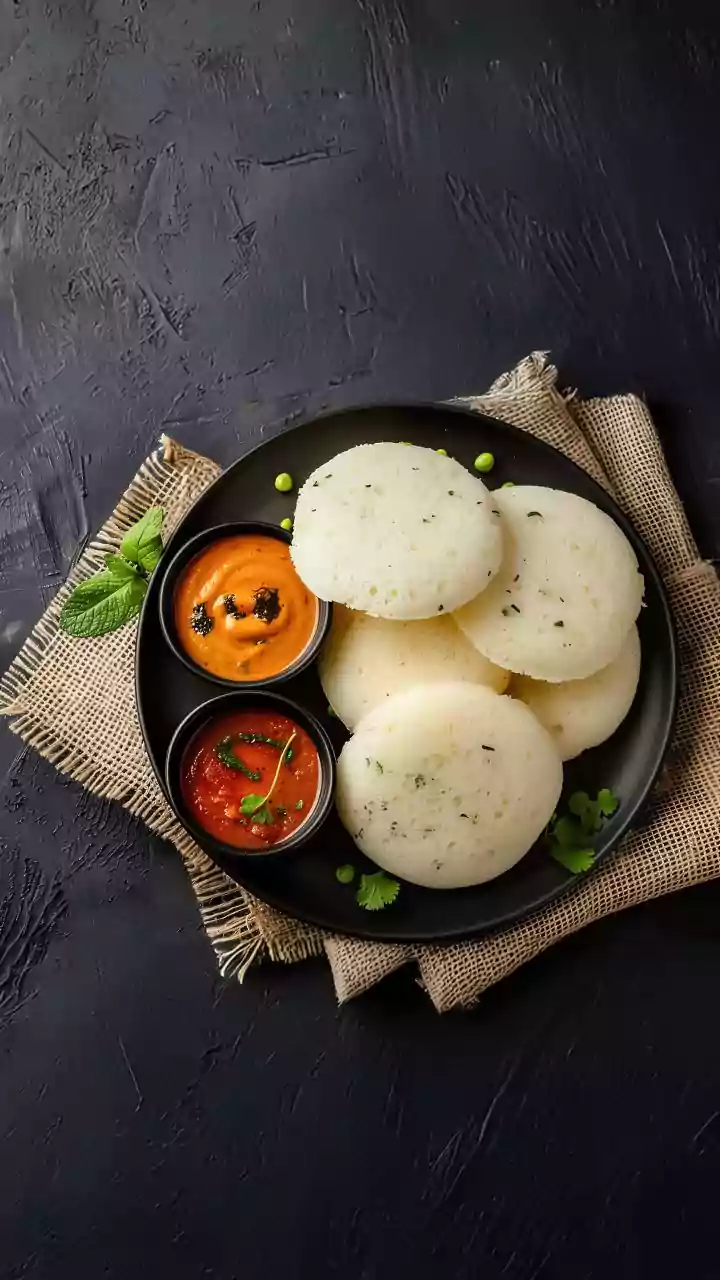
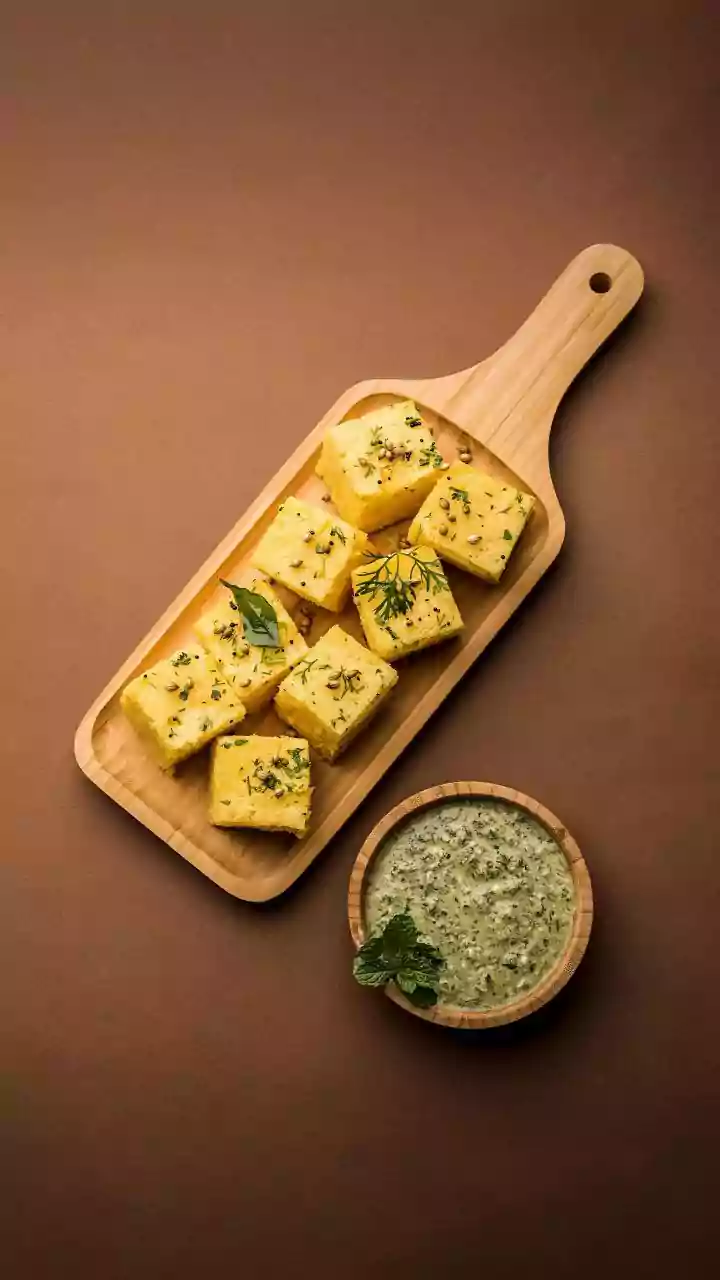
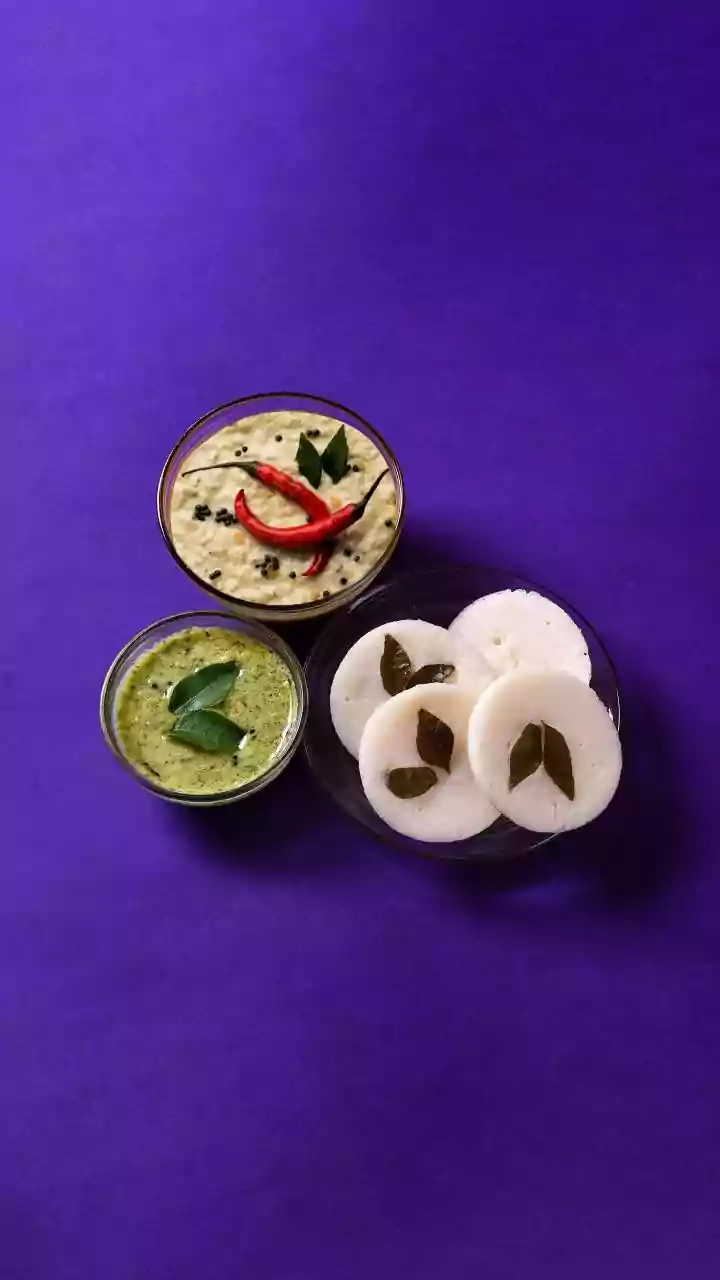
In a world of 30-minute deliveries and globalised menus, a quiet but powerful trend is simmering in Indian kitchens. It’s a return to something deeply personal and nostalgic: the rediscovery of regional and family heirloom recipes.
More Than a Meal, It's a Memory
The movement towards
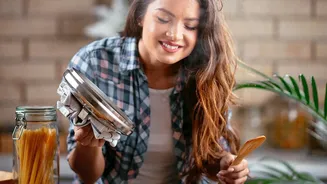
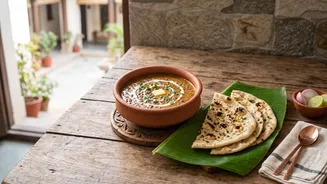
reviving family recipes is driven by a flavour that no restaurant can replicate: nostalgia. For many, preparing a dish passed down through generations is a tangible way to connect with their heritage and ancestors. These recipes are culinary time capsules, bringing back memories of childhood, festivals, and family gatherings with every aroma and taste. In an increasingly fast-paced world, the act of slow-cooking a dal just like a grandmother used to or grinding spices by hand offers a therapeutic escape. It provides a sense of grounding and comfort that processed, convenience foods cannot. This is not just about cooking; it's about reclaiming the kitchen as a space for creativity, connection, and identity.
The Modern Twist on Traditional Flavours
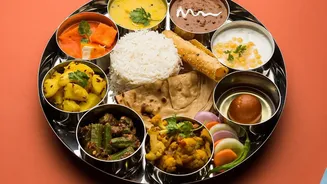
This revival isn't about a rigid replication of the past. Instead, modern home cooks are adapting these heirloom recipes to contemporary lifestyles. Chefs and home cooks alike are giving classic dishes a modern twist, using new techniques or making them healthier. This might involve using an Instant Pot to cut down the cooking time of a traditionally slow-cooked curry, substituting ingredients to cater to dietary restrictions, or using organic produce. The goal is not to abandon the past but to make it relevant and honest for today's world. This fusion of old and new ensures that traditional flavours don't just survive but evolve, creating dishes that are both familiar and exciting.
From Kitchens to the Cloud
Ironically, modern technology is a primary driver behind this resurgence of traditional cooking. Social media platforms like Instagram and YouTube have become digital archives for recipes that were once only passed down orally. Food bloggers and content creators are documenting and sharing their family's culinary secrets, from a Bengali 'chhanar dalna' to a Coorgi 'pandi curry'. This online sharing has given visibility to countless hyper-local dishes that were previously unknown outside their specific regions or communities. Viral videos of grandmothers skillfully preparing traditional dishes have reframed what was once seen as 'old-fashioned' into something artisanal and desirable, inspiring a new generation to keep these traditions alive.
A Hunger for Authenticity and Wellness
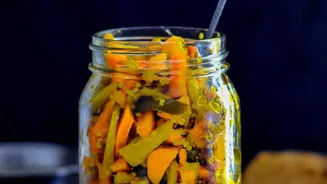
The trend also aligns with a growing desire for authenticity, wellness, and sustainability. Cooking a family recipe often means using fresh, seasonal, and local ingredients, which connects people to their region's biodiversity. There's a transparency and trust that comes with knowing exactly what is in your food, free from the additives and preservatives common in mass-produced meals. Furthermore, many of these traditional Indian recipes naturally align with modern wellness goals, incorporating principles of fermentation, gut health, and nutritional balance long before they became global buzzwords. This return to ancestral wisdom offers a path to healthier eating that feels both intuitive and deeply rooted in culture.