







The New Digital Kitchen
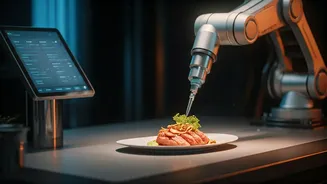
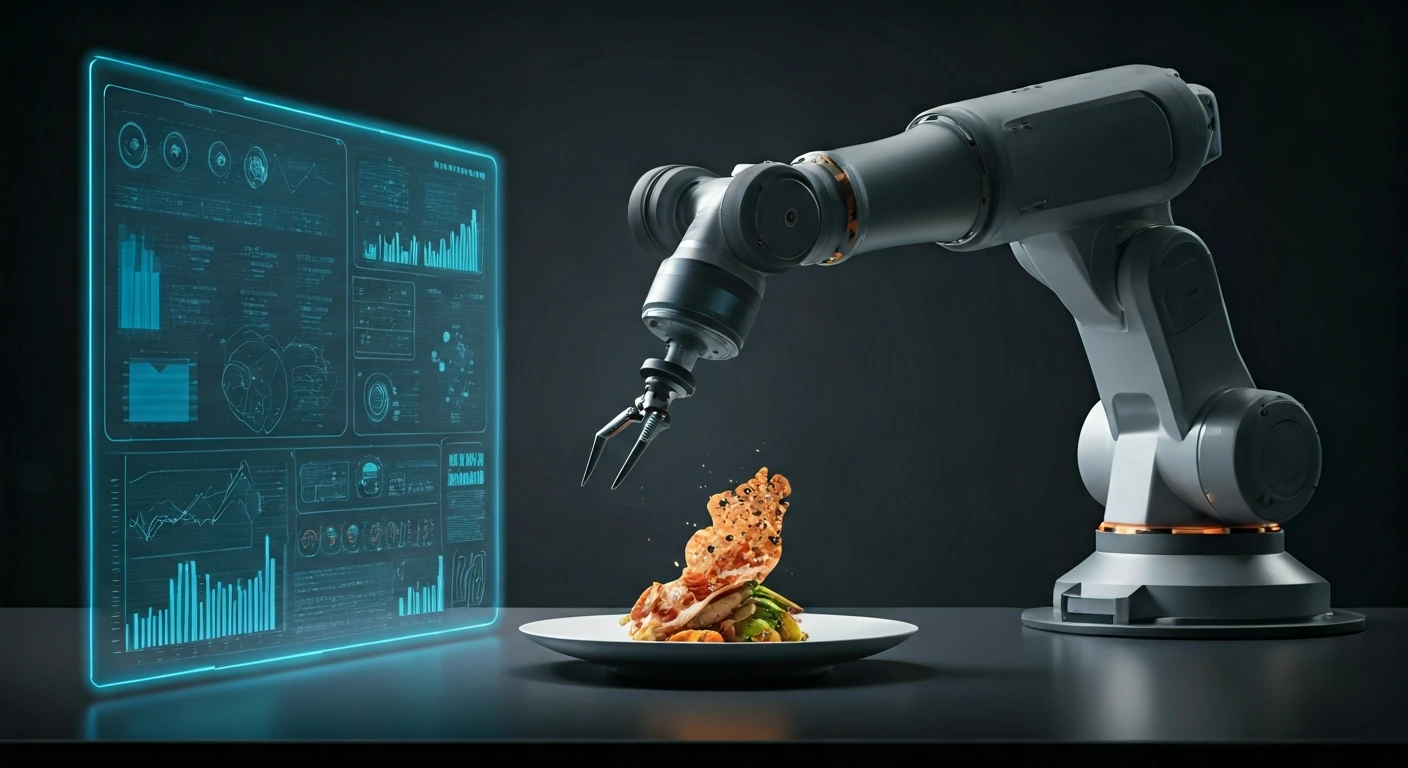
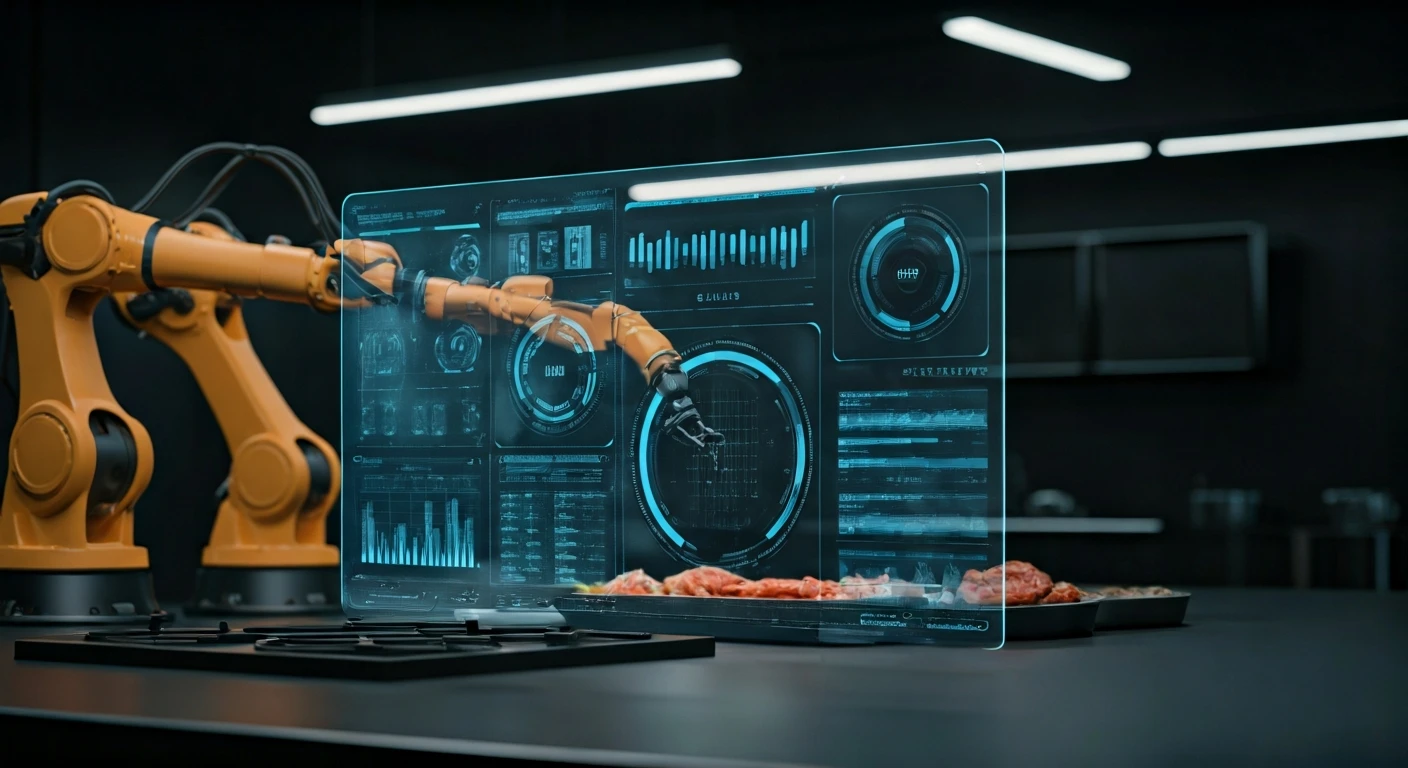
Beyond the counter, artificial intelligence is transforming the heart of the restaurant: the kitchen. This isn't about sci-fi robots flipping burgers, but about data-driven precision that enhances consistency and speed. Smart kitchen equipment, like AI-powered
ovens and grills, can automatically adjust cooking times and temperatures to ensure food is prepared perfectly every time, reducing human error. Chipotle is testing a robot called Autocado that automates the labor-intensive process of preparing avocados for its guacamole, a task that can consume a significant portion of an employee's prep time. Similarly, AI is being used for quality control. Domino's has developed a system that uses computer vision to inspect pizzas before they go out for delivery, ensuring they meet brand standards. These back-of-house innovations allow staff to move away from repetitive, manual tasks and focus on more creative and customer-facing aspects of their jobs.
Smarter Ordering, Faster Service
The most visible application of AI for many customers is at the point of sale, particularly in the drive-thru. Major chains like McDonald's, Wendy's, and Taco Bell have been aggressively testing and deploying AI voice assistants to take orders. Wendy's, in partnership with Google Cloud, is rolling out its 'FreshAI' system to hundreds of locations, which can handle complex customizations and even upsell items. The goal is to improve order accuracy and speed up service, freeing up employees to focus on food preparation and hospitality. While there have been some well-publicized glitches, the technology is constantly learning and improving. Beyond the drive-thru, AI-powered kiosks can offer personalized suggestions based on past orders, and predictive analytics help managers create optimal staff schedules that align with anticipated customer traffic, preventing both overstaffing and long wait times.
The End of Guesswork
Perhaps the most significant impact of AI is happening in the supply chain, an area invisible to customers but critical to profitability. Food businesses are using AI to move from reactive ordering to predictive logistics. AI algorithms analyze vast amounts of data—including historical sales, weather patterns, local events, and seasonal trends—to forecast demand with incredible accuracy. This allows restaurants to optimize inventory, ensuring they have enough of what they need without over-ordering ingredients that could spoil. The result is a dramatic reduction in food waste, a major cost for the industry. Companies like Domino's and Yum! Brands are using AI assistants to save managers time on inventory management and ingredient ordering. This data-driven approach minimizes stockouts of popular items and reduces the financial and environmental cost of waste.
The Human and Financial Equation
The adoption of AI is not without its challenges. The upfront cost of implementing new hardware and software can be a significant barrier for smaller businesses. There are also concerns about the impact on the workforce. However, most industry leaders frame the shift not as replacing humans, but as augmenting their abilities. AI can handle tedious, repetitive tasks, allowing employees to focus on roles that require a human touch, like customer service and creative problem-solving. The business case is compelling: by optimizing labor, reducing waste, and increasing service speed, companies see significant cost savings and margin improvements. For an industry facing persistent labor shortages and rising costs, AI offers a powerful tool to build more resilient and efficient operations.