




Hype: The First Showers Mean It's Time to Plant Everything!
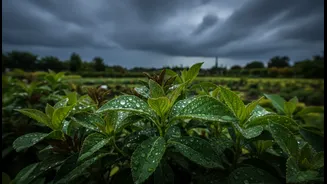
It's easy to get excited by the first pre-monsoon rains in April and May, often called 'mango showers'. Many rush to sow seeds, believing the planting window is open. However, these early showers are often sporadic and not the same as the consistent southwest
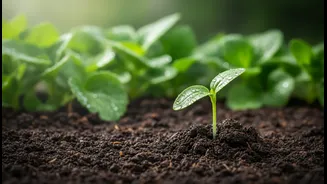
monsoon, which typically begins in June. Planting too early based on these initial rains can be a gamble, as a following dry spell can scorch young seedlings that haven't established deep roots. Climate patterns are also becoming more erratic, making the pre-monsoon a new high-risk period for agriculture.
Reality: Wait for the Monsoon to 'Set In'
Experienced gardeners and horticulture experts advise waiting until the southwest monsoon is properly established, usually by the second or third week of June. This ensures the soil has absorbed enough moisture and that subsequent rains will be regular enough to support new growth. The true Kharif sowing window in Karnataka for many crops extends from June through July. This period offers cooler temperatures, high humidity, and consistent moisture, which dramatically improves the survival and germination rate for seeds and saplings.
Hype: More Rain Always Means Healthier Plants
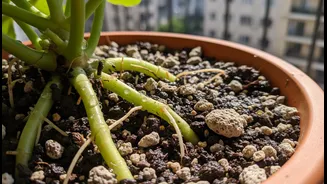
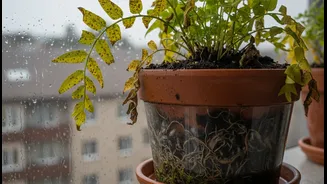
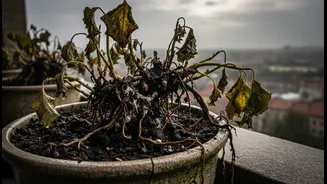
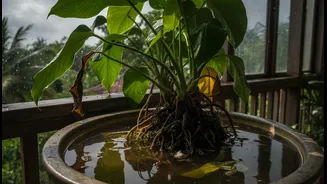
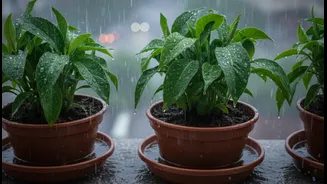
A common belief is that the daily downpours of monsoon mean you can stop worrying about your plants. But non-stop rain can be as challenging as a drought. The most frequent mistake gardeners make during this season is overwatering. When pots are already saturated from rainfall, adding more water—or letting them sit in water-filled saucers—can lead to waterlogged soil. This suffocates the roots, preventing them from absorbing oxygen and nutrients, and is a primary cause of root rot, a fatal condition for many plants.
Reality: Focus on Drainage and Smart Watering
Success in a Bengaluru monsoon garden is all about drainage. The city's native red soil can be heavy, and standard potting mixes retain a lot of water. Ensure every pot has unblocked drainage holes. It's wise to add perlite or coarse sand to your potting mix to make it lighter and more porous. Elevating pots on bricks or pot feet helps water drain freely and improves air circulation. Never water on a fixed schedule; always check the soil first. If the top inch is still moist, your plants don't need more water.
Hype: Any Vegetable Will Thrive in the Monsoon
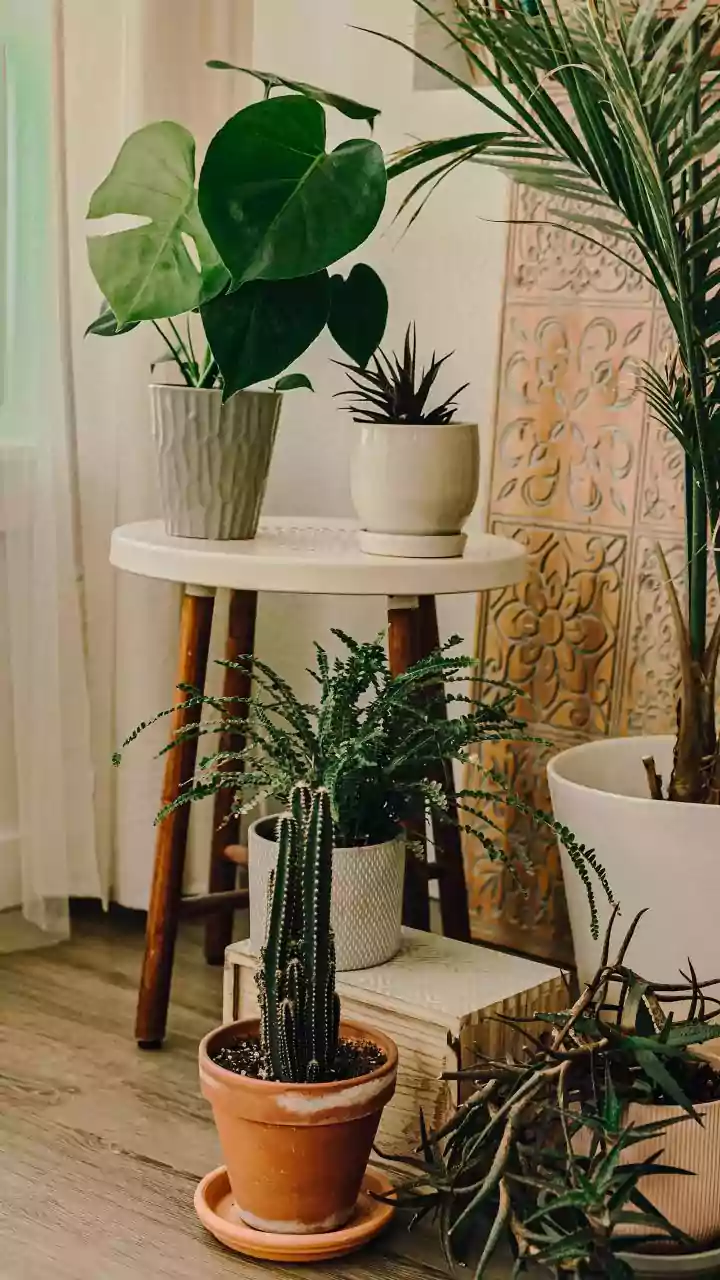
While the monsoon is a fantastic growing season, not all plants are created equal. Some, particularly desert plants like most succulents and cacti, struggle with the high humidity and constant moisture, making them prone to rot. Even some vegetables can be problematic. Tiny seeds like those of some leafy greens can be washed away by heavy downpours, and certain plants like papaya are particularly vulnerable to fungal diseases triggered by waterlogging.
Reality: Choose Moisture-Loving and Well-Suited Plants
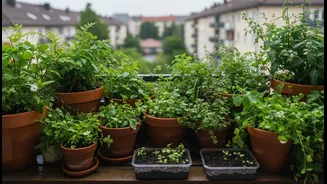
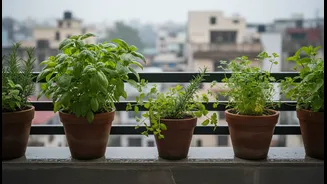
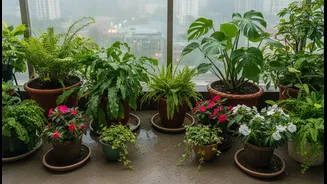
The key is to select plants that enjoy these specific conditions. For vegetables, this is the ideal time to plant gourds, beans, okra, chilies, brinjal, and spinach. Many leafy greens do well, but you might consider starting them in protected trays before transplanting. For ornamental plants, this is the season for vibrant foliage plants like Coleus and Caladiums, and flowering beauties like the Rainy Lily, Hibiscus, and Jasmine. These plants are adapted to thrive in the humid, wet conditions of a Bengaluru monsoon.