





Prioritise Whole Produce
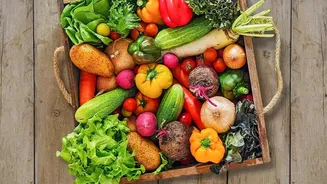
During the monsoon, your best friends in the vegetable market are gourds and pumpkins. Items like lauki (bottle gourd), bitter gourd (karela), pumpkin, and ash gourd are excellent choices. Their thick, intact skin acts as a natural barrier, protecting
the flesh from contamination and excess moisture. Unlike pre-cut vegetables, which have a much shorter shelf life and are more susceptible to bacterial growth, whole produce stays fresh for longer. This strategy reduces waste and ensures you are cooking with the freshest possible ingredients. When you buy vegetables whole, you control when and how they are washed and cut, significantly lowering the risk of contamination that is higher with produce handled by multiple people.
The Delicate Foods Dilemma: Leafy Greens
Everyone loves their leafy greens, but the monsoon is a time for caution. Vegetables like spinach, cabbage, and lettuce can harbour dirt, grime, and microbes due to the damp conditions they grow in. The high humidity makes them a perfect breeding ground for bacteria and fungi. This does not mean you must avoid them entirely. The solution is to buy these items in very small quantities, just enough for what you will consume within a day or two. Before cooking, they require extremely thorough washing. It is best to avoid eating them raw, such as in salads, during this season. Cooking helps kill any lingering pathogens. Prioritise gourds and other less-exposed vegetables for your daily meals.
Stock Up on Grains and Pulses
The foundation of a monsoon-proof pantry lies in non-perishable staples. This is the perfect time to ensure you have a good supply of lentils, pulses, and whole grains. Moong dal, masoor dal, chana, and brown rice are excellent choices as they are easy to digest and provide sustained energy. These items are not susceptible to the quick spoilage that affects fresh produce. However, storage is key. To combat the high humidity, store your grains and pulses in airtight steel or glass containers. Adding a few dried bay leaves or neem leaves to the container is a traditional trick to help keep pantry pests away, ensuring your staples last through the season.
Immunity-Boosting Spices and Herbs
The monsoon is notorious for bringing a wave of colds, coughs, and fevers. Your kitchen's spice rack can be your first line of defence. Spices like turmeric (haldi), ginger (adrak), garlic (lahsun), and black pepper (kali mirch) are prized in traditional Indian cooking for their immunity-boosting properties. Ginger and black pepper are particularly good for respiratory health, while turmeric is a powerful anti-inflammatory agent. Freshly made herbal teas using ginger, tulsi, and lemongrass can be soothing for a sore throat and help keep your body warm. Buying whole spices instead of powders can also be a smarter choice, as they retain their flavour and potency longer, especially in humid conditions.
Handle Proteins and Dairy with Care
Protein is essential, but your choices require extra attention during the rains. The monsoon is the breeding season for fish, so it is often recommended to avoid or limit seafood due to the increased risk of contamination and infection. If you do consume meat or fish, ensure it is from a highly reliable source and cooked thoroughly. For dairy products like milk, paneer, and curd, freshness is paramount. The heat and humidity can cause them to spoil very quickly. It is advisable to buy smaller quantities more frequently rather than bulk purchasing. Some health experts also suggest that curd can aggravate coughs and colds in this season, so it should be consumed with caution, preferably during the day.
The Verdict on Fruits
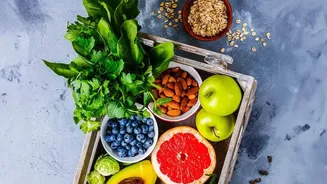
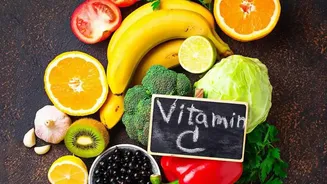
Fruits are an excellent source of vitamins and antioxidants that are crucial for building immunity. Seasonal fruits like apples, pears, jamun, plums, and pomegranates are great choices. However, the rule of whole versus cut is especially important here. Avoid buying pre-cut fruits from roadside vendors, as they are highly susceptible to contamination from dust, flies, and unsafe water. The safest approach is to buy whole fruits, wash them thoroughly at home, and consume them immediately after cutting. This simple step allows you to enjoy the nutritional benefits of fruit while minimising the risks associated with foodborne illnesses common during the monsoon.