







From Sightseeing to Flavour-Seeking
For decades, a trip across India was defined by a checklist of forts, palaces, and historical landmarks. Food was often a delightful but secondary part of the experience. Today, that hierarchy is changing. Travellers are increasingly seeking more מזda0
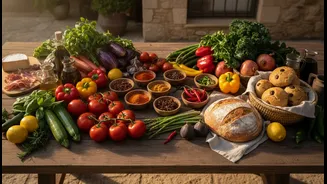
than just a photo; they are looking for genuine connection and immersion, and food has become the most accessible gateway to culture. The Indian culinary tourism market, valued at over USD 110 billion in 2025, is projected to grow significantly, driven by a rising interest in authentic dining experiences. This new wave of tourists—both domestic and international—is venturing into regional heartlands, eager to understand the stories behind the dishes they eat. They are planning trips not just to cities, but to specific culinary regions, proving that a well-cooked meal can be as powerful a destination driver as any monument.
The Rise of the 'Shareable' Meal
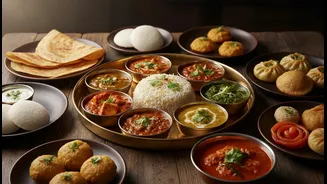
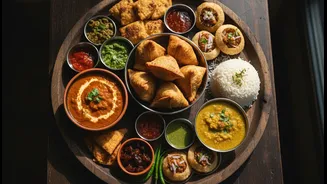
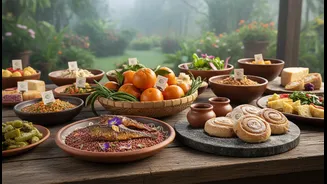
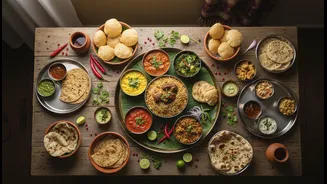
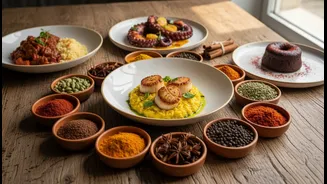
The transformation of food into a central travel motivator has been powerfully amplified by social media. With platforms like Instagram and YouTube, a meal is no longer just a meal; it's a visual story waiting to be told. Food bloggers and travel influencers have become key players, showcasing hidden culinary gems and turning local street food vendors into viral sensations. More than 89% of travellers use social media to research attractions, and this includes deciding where and what to eat. The visual appeal of food—a colourful thali, a steaming plate of biryani, or a perfectly folded dosa—makes it inherently shareable content. This digital word-of-mouth creates a feedback loop: travellers see a unique dish online, seek it out, share their own experience, and inspire others to follow, making the entire journey more interactive and community-driven.
A Feast for All Five Senses
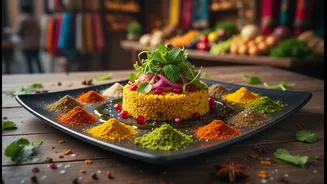
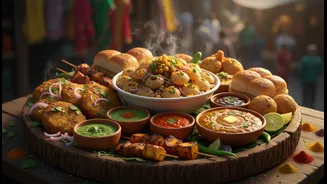
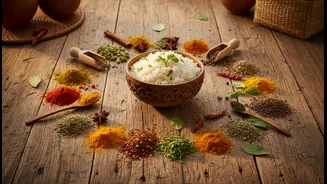
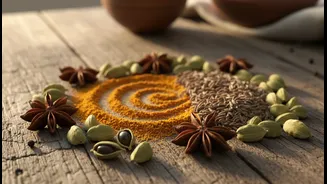
This new focus on food goes far beyond taste. It is a deeply sensory experience. Imagine walking through a spice plantation in Kerala, inhaling the fragrant notes of cardamom and pepper before they're ground for a curry. Picture the tactile experience of a cooking class in Jaipur, learning to knead the dough for a perfect paratha. Consider the sights and sounds of a bustling food walk through the lanes of Old Delhi or Kolkata, guided by the sizzle of a kebab on the grill and the calls of vendors. These experiences engage all the senses, creating memories that are more profound and lasting than simply eating in a restaurant. Travellers are seeking to touch the ingredients, hear the stories from local cooks, and see the traditional methods firsthand, turning a simple meal into a holistic cultural event.
Authenticity Over Everything
As culinary tourism booms, travellers are showing a clear preference for authenticity. The demand is shifting away from generic, fine-dining establishments towards more genuine experiences. This includes everything from home-dining, where tourists share a meal with a local family, to hyper-regional cuisine that showcases the unique dishes of a specific community or village. Millennials and Gen Z, in particular, are driving this trend, valuing storytelling and cultural connection. They want to eat dal baati churma in a Rajasthani village, savour fresh seafood from a houseboat in the Kerala backwaters, or try heritage recipes passed down through generations. This search for authenticity is not only enriching for the traveller but also provides economic benefits to local communities, promoting sustainable tourism and helping preserve cultural traditions.