




A Defence in Disarray
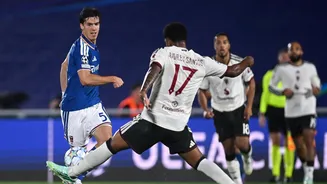
The most glaring issue is a defence that appears to crumble under the slightest pressure. The four goals conceded against Como were not an anomaly but the continuation of a disastrous defensive trend. Injuries have certainly played their part, with a depleted
squad travelling to Italy and key players like Lisandro Martinez and Luke Shaw sidelined. However, the problems run deeper than just personnel. There's a visible lack of organisation and communication at the back. Players seem unsure of their roles, leading to individual errors and leaving vast spaces for opponents to exploit. Como’s attackers, much like others in recent weeks, found it far too easy to get between the lines and create chances. The team has consistently conceded early goals, putting them on the back foot and shattering any pre-game strategy. Without a solid foundation, any hope of building a winning performance seems to collapse before it can even begin.
A Midfield Lacking Identity
A team's engine room is its midfield, but United's is currently misfiring. Despite significant summer investment in the area, the midfield balance looks completely off. The connection between defence and attack is frequently severed, leaving the backline exposed and the forwards isolated. Opponents have found it increasingly simple to bypass the midfield press and run directly at the defence. There's a debate to be had about tactics, with some players reportedly questioning the coaching staff's passive approach. The failure to control the tempo of games is stark. Against Como, United struggled to maintain possession or disrupt their opponent's rhythm. This midfield malaise means the team can't build sustained pressure, and when they lose the ball, they are frighteningly vulnerable to the counter-attack, a pattern repeated throughout this seven-game winless streak.
An Attack That Has Gone Blunt
For a club boasting a wealth of attacking talent, the lack of goals is a major concern. Joshua Zirkzee’s late strike against Como was a mere consolation, but the broader picture shows an attack that has lost its cutting edge. The team often looks predictable and slow in the final third, struggling to create clear-cut opportunities. Reliance on individual moments of brilliance rather than a cohesive attacking system has proven unsustainable. When star players like Bruno Fernandes have an off day, the entire offensive structure seems to fall apart. The problem isn't just finishing; it's the lack of invention and speed in the build-up play. Forwards are often left with half-chances or forced to create something out of nothing. This toothless attack places even more pressure on the already-fragile defence, creating a vicious cycle that is proving difficult to break.
Questions of Leadership and Mentality
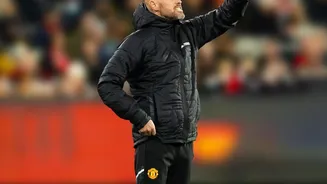
When tactical plans fail and individual form dips, strong leadership is needed to guide the team through the storm. Right now, that appears to be sorely lacking, both on and off the pitch. Manager Michael Carrick is facing mounting pressure over his tactical decisions and inability to halt the slide. Meanwhile, on-field leaders have been unable to inspire a turnaround. Public questioning of coaching decisions by senior players only adds to the sense of a fractured camp. This winless run is not just a technical or tactical failure; it’s a crisis of confidence. The team's body language often tells a story of frustration and resignation. Breaking out of such a 'bad run of form' requires a psychological refresh and a renewal of collective belief, something that seems a distant prospect at this moment.