








The Three-Day, Twenty-Dollar Revolution
Not long ago, getting a visa to Azerbaijan was a classic tale of bureaucratic friction. It involved embassy visits, stacks of paperwork, and uncertain waiting periods—a process that deterred all but the most determined travelers. But in 2017, the country
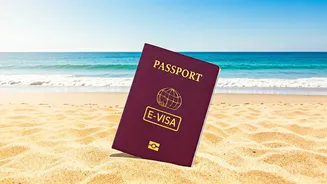
launched the ASAN Viza system, a move that completely upended this dynamic. The new e-visa platform allows citizens from over 90 countries to apply online with just a passport scan and a small fee, typically around $25. The promise? A visa delivered by email, usually within three days and sometimes in as little as three hours. This shift from a high-friction, analog process to a low-friction, digital one was more than a convenience; it was a declaration. Azerbaijan was officially open for business, tourism, and, as it turned out, education.
From Oil Economy to Knowledge Economy
The e-visa wasn't an isolated decision. It was a key piece of Azerbaijan's larger strategic plan to pivot its economy away from its heavy reliance on oil and natural gas. Like many energy-rich nations, Azerbaijan's leadership recognized the vulnerability of a single-resource economy and the need to cultivate other sectors. Tourism was an obvious target, but the vision was broader: to build a 'knowledge economy' and enhance the nation's 'soft power'—its cultural and academic influence on the world stage. Attracting international students is a time-tested strategy for achieving this. Foreign students bring new perspectives, stimulate local economies, and often become informal ambassadors for their host country upon returning home. The e-visa system effectively removed the single biggest barrier to entry, making Azerbaijani universities a viable option for a whole new generation of global scholars.
Who Is Coming, and Why?
While the headlines might conjure images of American students flocking to Baku, the reality is more nuanced and regionally focused. The primary influx has come from countries in South Asia, the Middle East, and Africa—particularly Pakistan, India, Nigeria, and Iran. For students from these nations, Azerbaijan presents a compelling value proposition. The cost of tuition and living is significantly lower than in the United States or Western Europe, yet universities like ADA University and Baku State University offer respected programs, particularly in fields like engineering, medicine, and international relations. Furthermore, for many students from Muslim-majority countries, Azerbaijan offers a unique blend of a secular, modern society with a familiar cultural heritage. The simplified visa process was the catalyst that made these advantages accessible, turning a theoretical option into a practical reality for thousands.
The Ripple Effect on the Ground
The surge in student travel is creating visible changes in Azerbaijan, especially in its capital, Baku. The city's universities are becoming more diverse, with campuses and classrooms reflecting a new international character. This influx has spurred demand for student housing, language support services, and a more cosmopolitan service industry. While the absolute numbers are still modest compared to global education powerhouses like the U.S. or the U.K., the rate of growth has been dramatic. Local officials report percentage increases in the triple digits since the e-visa was introduced. This success is not without challenges, including ensuring academic quality keeps pace with enrollment and integrating a diverse student body into the local community. However, the policy has undeniably succeeded in its goal of putting the country on the international education map.